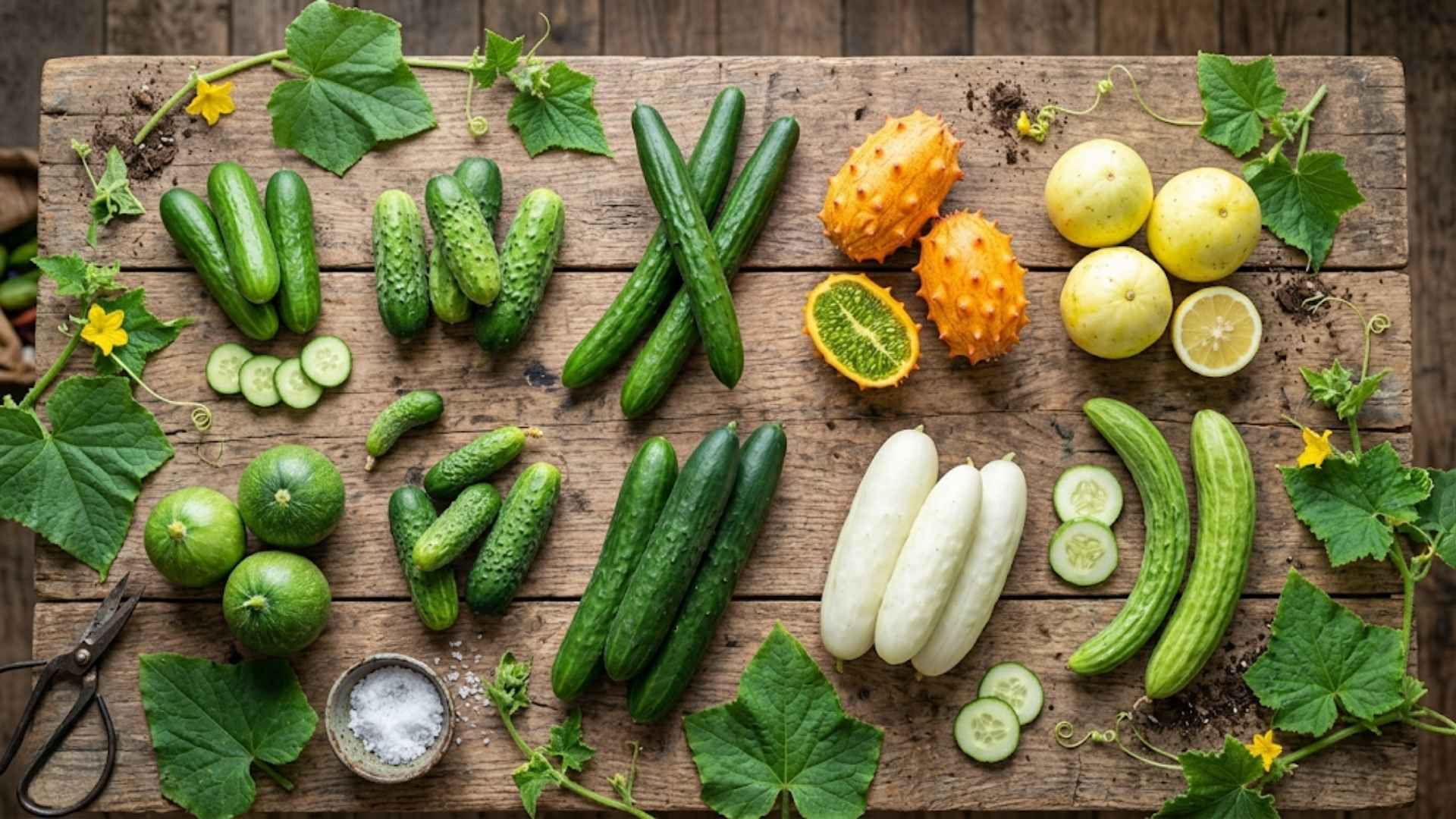

Most people grab the first cucumber they spot at the store. I did the same thing when I started gardening. Big mistake.
Here is what I wish someone had told me earlier. Cucumbers vary wildly. From the spiky Kiwano of Africa to the crisp Persian from Asia, every variety has a specific job to do.
I’ll cover how cucumbers are grouped across continents, which ones taste sweetest or boldest, how to match the right variety to your cooking goal, and the costly errors most growers make before their first harvest.
By the end, you will know exactly which cucumber belongs in your garden. Ready to get started? Let us get into it.
What Are the Main Types of Cucumbers?
I’ve grown cucumbers in small raised beds and large garden plots alike. The biggest mistake I see? People are picking the wrong type for their space. I usually sort them into three groups:
By Use:
- Slicing cucumbers – I grow these for fresh eating. They’re larger, with thin skin and a mild flavor.
- Pickling cucumbers – smaller and firmer. They hold up well in brine without turning soft.
By Shape:
- Long – the classic type you see in grocery stores
- Mini – snack-sized, perfect for containers
- Round – less common, but honestly one of my favorites to grow
By Plant Habit:
- Vining – they spread and climb. I always set up a trellis for these.
- Bush – compact and great for small gardens or raised beds.
Once you know which type fits your space, growing cucumbers becomes a lot simpler.
Different Types of Cucumbers by Continent
I find it fascinating how cucumbers grow differently across the world. Each region has developed its own varieties based on local taste, climate, and cooking habits. Let me walk you through them.
1. Asian Cucumbers
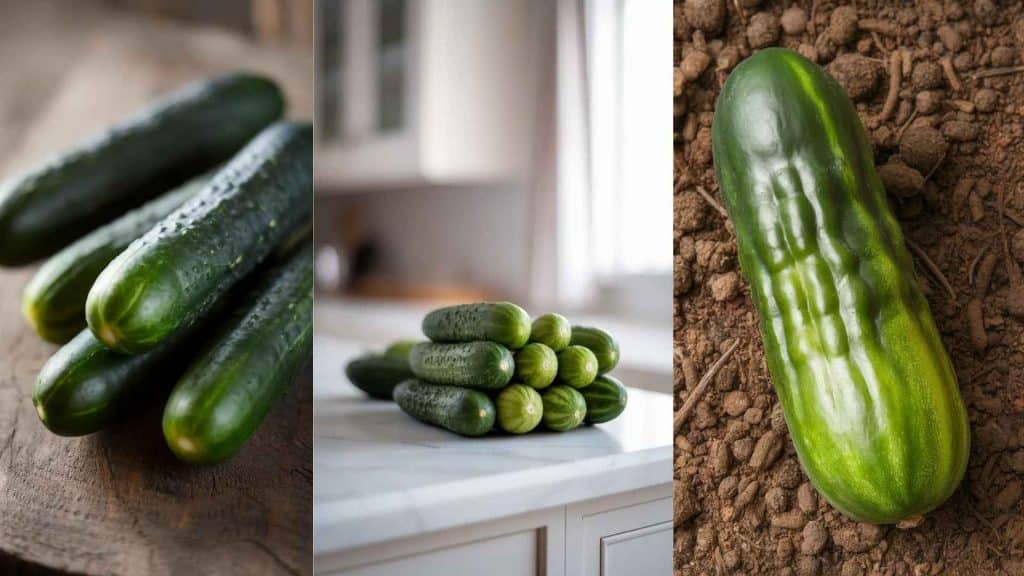
Some of my favorite varieties come from Asia. They tend to have thin skin, fewer seeds, and a clean, mild taste. Perfect for eating fresh straight from the garden.
1. Japanese Cucumber: Long, slender, and almost seedless. Crisp with a light sweetness. I love using these in salads and sushi rolls.
2. Persian Cucumber: Short, smooth, and crunchy. Nearly seedless, making it one of the best snacking cucumbers I’ve grown.
3. Armenian Cucumber: Technically a melon, but it eats like a cucumber. Long, ribbed, and mild. Slices beautifully for fresh dishes.
2. European Cucumbers
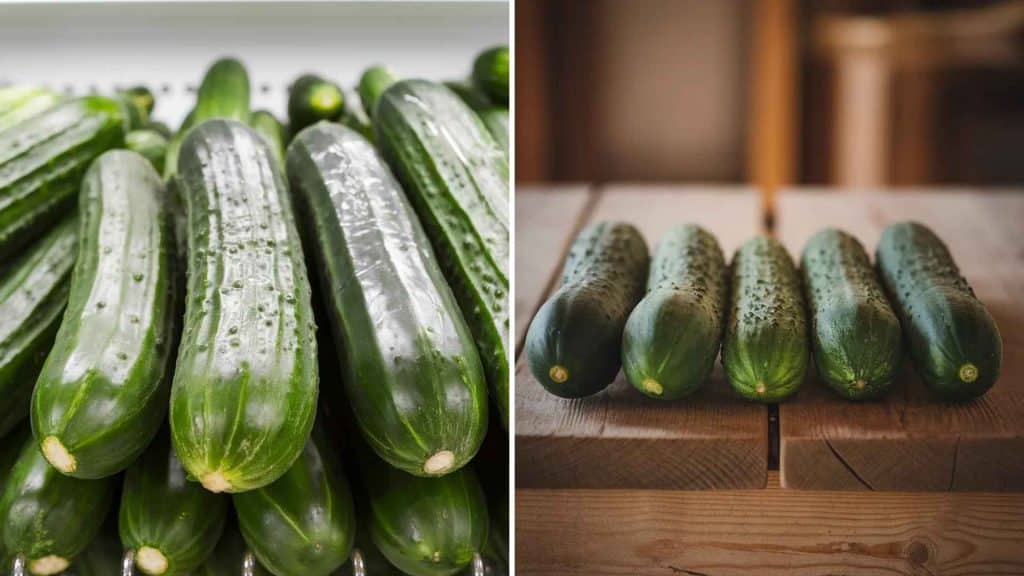
European varieties are what most people spot in supermarkets. They are usually greenhouse-grown and known for their clean look and consistent quality.
4. English Cucumber: is long, seedless, and thin-skinned. It has a mild taste and is sold wrapped in plastic. A solid choice for fresh salads.
5. Dutch Cucumber: is similar to English but slightly firmer. It has a smooth, uniform texture every time.
3. North American Cucumbers
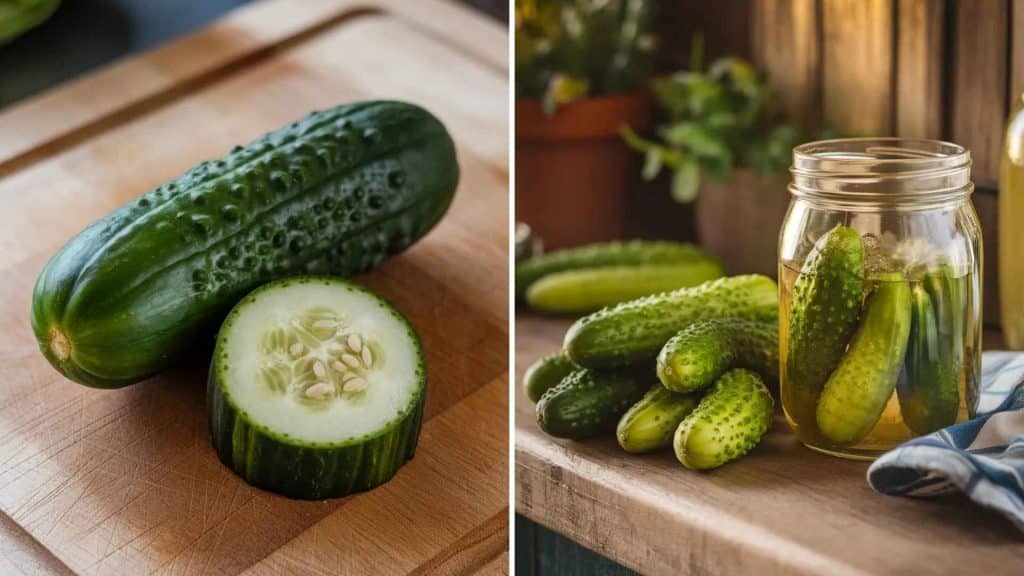
These are the workhorses of the cucumber world. I grew up eating these, and they remain a staple in most home gardens across the country.
6. Garden Cucumber: has thick skin with larger seeds and a classic cucumber flavor. It is the most common type you will find in grocery stores.
7. Kirby Cucumber: s short, bumpy, and firm. It is built for pickling, but just as good eaten fresh off the vine.
4. South American Cucumbers
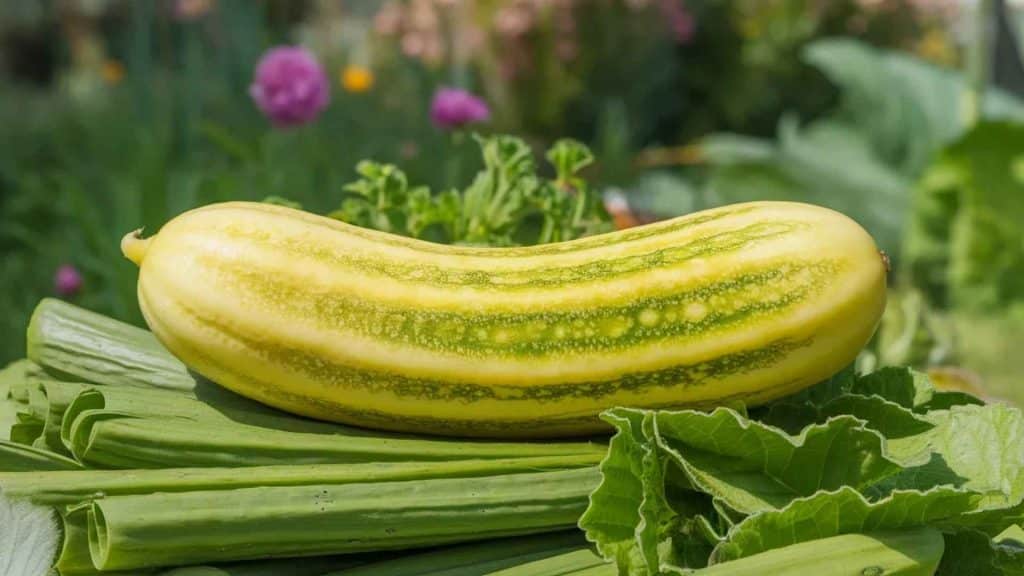
You do not hear about these as often, but they are worth growing. Their appearance alone stops people in their tracks when I bring them to the farmers’ market.
8. Lemon Cucumber: is round, yellow, and surprisingly sweet. It has a refreshing, mild bite. I toss these straight into summer salads.
5. African Cucumbers
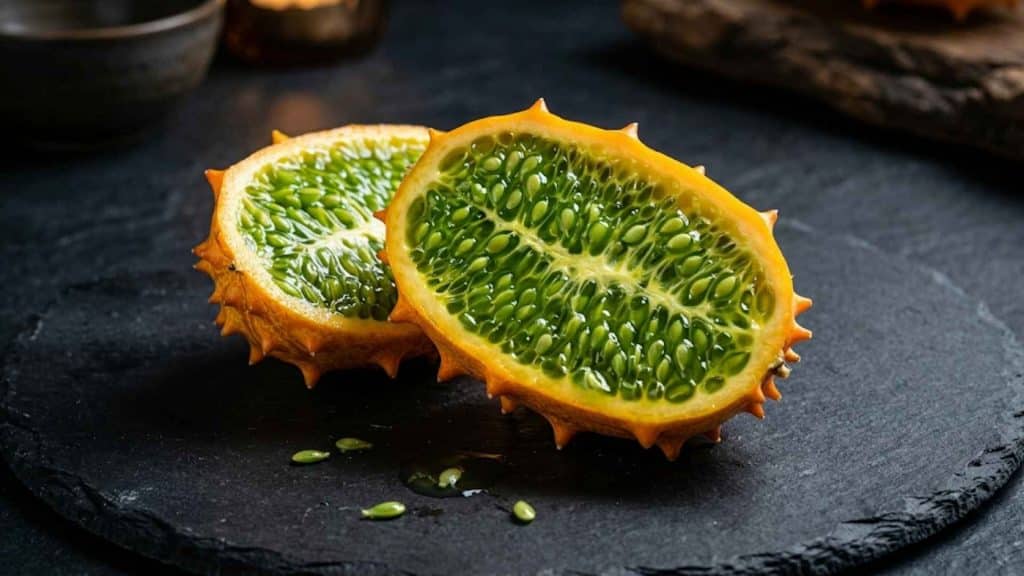
African varieties are unlike anything else in the cucumber family. They look wild, and their flavor is just as interesting.
9. Kiwano (Horned Cucumber): has a spiky orange shell with a jelly-like green inside. It is slightly tangy and works well in both salads and desserts.
6. Global / Hybrid Varieties
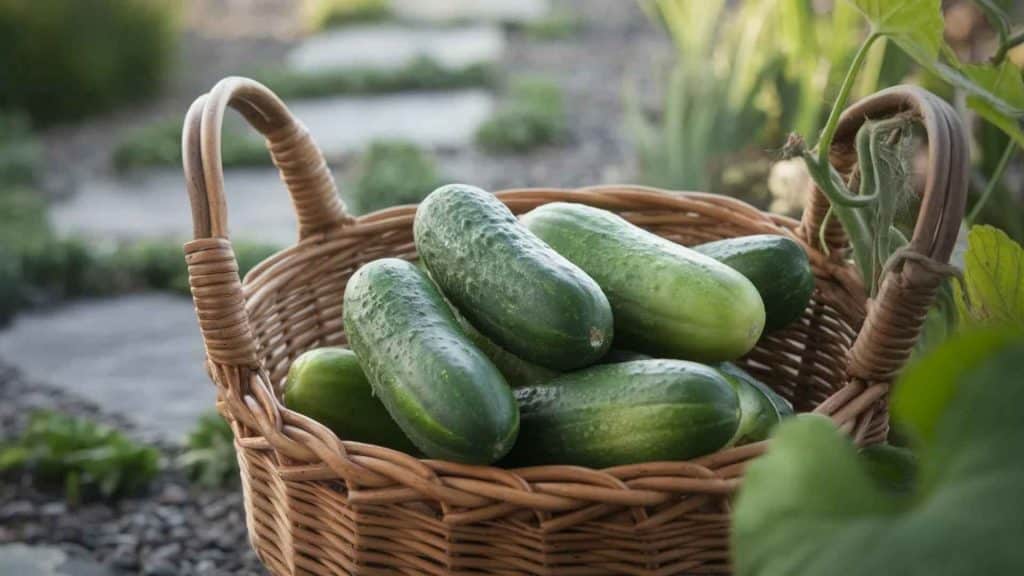
Plant breeders around the world have developed hybrids to address specific problems, such as disease resistance, seedlessness, or improved yield.
These varieties cross borders and grow well in many different climates.
10. Beit Alpha Cucumber: originated in the Middle East but is now grown worldwide. It is small, smooth, and nearly seedless with a tender skin that needs no peeling
| Which Cucumber Tastes Best?
Taste is personal. But here is my honest take after years of growing them. Mild and Sweet: Persian and Lemon cucumbers. Best Crunch: Japanese and English cucumbers. Bold Classic Flavor: Garden cucumber. Best Raw: Persian or English Best for Pickling: Kirby |
Common Mistakes People Make When Choosing Cucumbers
I have seen these mistakes more times than I can count. Here is what goes wrong and how to fix it.
1. Using Sliced Cucumbers for Pickling
- The Problem: Slicing cucumbers has thin, soft skin. They turn mushy in brine fast.
- The Fix: Always use Kirby or other pickling varieties. They hold their crunch far longer in the jar.
2. Ignoring Seed Content
- The Problem: High-seed cucumbers taste bitter and have a watery texture when eaten fresh.
- The Fix: Pick Persian or English cucumbers for fresh eating. Both are nearly seedless and much cleaner-tasting.
3. Overlooking Skin Thickness
- The Problem: Thick-skinned cucumbers can taste tough and bitter when eaten without peeling.
- The Fix: Choose thin-skinned varieties, such as Japanese or Persian cucumbers. You can eat them whole without peeling.
4. Choosing a Vining Type for a Small Patio
- The Problem: Vining cucumbers spread fast. They will take over a small space within weeks.
- The Fix: Go with a bush variety instead. It stays compact and works well in containers or tight garden beds.
5. Letting Cucumbers Grow Too Large Before Harvest
- The Problem: Oversized cucumbers turn yellow, taste bitter, and develop hard seeds inside.
- The Fix: Harvest regularly. I pick mine when they reach the ideal size for that variety. Do not wait too long.
Conclusion
After years of growing cucumbers, one thing is clear. The right variety makes all the difference. Pick a Persian for snacking. Grab a Kirby for pickling. Give a Lemon cucumber a try just for fun.
Do not overthink it. Start with what fits your space and your plate. I have made every mistake on this list myself. Soft pickles, overcrowded patios, cucumbers left too long on the vine.
Each one taught me something useful. Now it is your turn. Which cucumber are you planning to grow this season? Drop your answer in the comments below.
I read every single one and would love to hear what is growing in your garden.
Frequently Asked Questions
How Often Should I Water My Cucumber Plants?
Cucumbers need consistent moisture to stay sweet. Aim for at least one inch of water per week, watering deeply at the base to keep the soil moist but not soggy.
Why Are My Cucumber Flowers Falling Off?
Male flowers appear first and naturally drop off. If fruit isn’t forming later, it’s likely a pollination issue. Encourage bees or try hand-pollinating with a small paintbrush to help.
Can I Grow Cucumbers in Partial Shade?
While they prefer full sun, cucumbers can tolerate light shade. However, they will produce fewer fruits and grow more slowly than plants receiving six to eight hours of direct sunlight.
What Is the Best Mulch for Cucumber Plants?
Pine straw or clean straw works best. It keeps the fruit off the soil, suppresses weeds, and maintains the consistent root temperature that cucumbers need to thrive throughout the summer.
How Do I Stop Powdery Mildew on Leaves?
Avoid overhead watering and ensure good airflow between plants. If white spots appear, a mix of water and baking soda can help treat the fungus before it spreads to fruit.