
Most grass seed germinates in 5 to 30 days, but the exact window depends on the variety you plant, the soil temperature, and how well you prepare the ground.
That range catches people off guard. Someone planting perennial ryegrass might see sprouts in three days, while Kentucky bluegrass can sit quietly underground for nearly a month.
I have watched first-time gardeners reseed a perfectly healthy lawn simply because they did not know what was happening beneath the surface. Germination is only the first step.
A lawn thick enough for foot traffic, mowing, and everyday use takes several more weeks beyond those initial sprouts.
This guide breaks down germination times for every common grass type, the five factors that speed things up or slow them down, and the mistakes that trip up even experienced growers.
What is Grass Seed Germination?
Germination is simply the process by which a grass seed cracks open and sends out its first root and shoot. That tiny sprout pushing through the soil surface is what most people call “germination.”
Two separate stages matter here, and mixing them up is one of the most common planning mistakes:
- Germination is when the seed sprouts. You will see the first thin blades appear above the soil. This typically happens within 5 to 30 days, depending on the grass type and conditions.
- Establishment is when the grass grows deep enough roots to handle mowing, foot traffic, and normal lawn use. Most lawns need 6 to 8 weeks after germination to reach this stage, though some warm-season grasses like zoysiagrass can take several months.
Most people expect a usable lawn the moment they see green, and that rarely matches reality. Knowing the difference helps you plan watering, foot traffic, and mowing schedules far more accurately.
|
Why Does Grass Seed Germination Matter in Lawn Care? Germination timing shapes every lawn care decision you make, from when you water to when you mow. If you seed Kentucky bluegrass expecting results in a week, you will likely overwater, reseed too early, or compact the soil by walking on it too soon. Matching your care routine to the actual germination window of your grass type prevents all three problems. |
Factors That Affect How Fast Grass Seed Germinates
Germination rarely fails because of bad seed. Over twelve years of working with home gardeners, I have found that one or more of these five factors is almost always the real cause.
1. Soil Temperature
This is the biggest one. Cool-season grasses (fescues, ryegrass, bluegrass) germinate best when soil temperatures sit between 10°C and 18°C (50°F to 65°F). Warm-season grasses (Bermuda, zoysia, buffalo) need warmer soil, typically 18°C to 24°C (65°F to 75°F). Below about 10°C, most cool-season seeds simply sit dormant.
One thing many people miss: soil temperature lags behind air temperature by several degrees. A sunny 20°C afternoon does not mean your soil has reached 20°C.
The ground acts as an insulator, warming up and cooling down more slowly than the air above it.
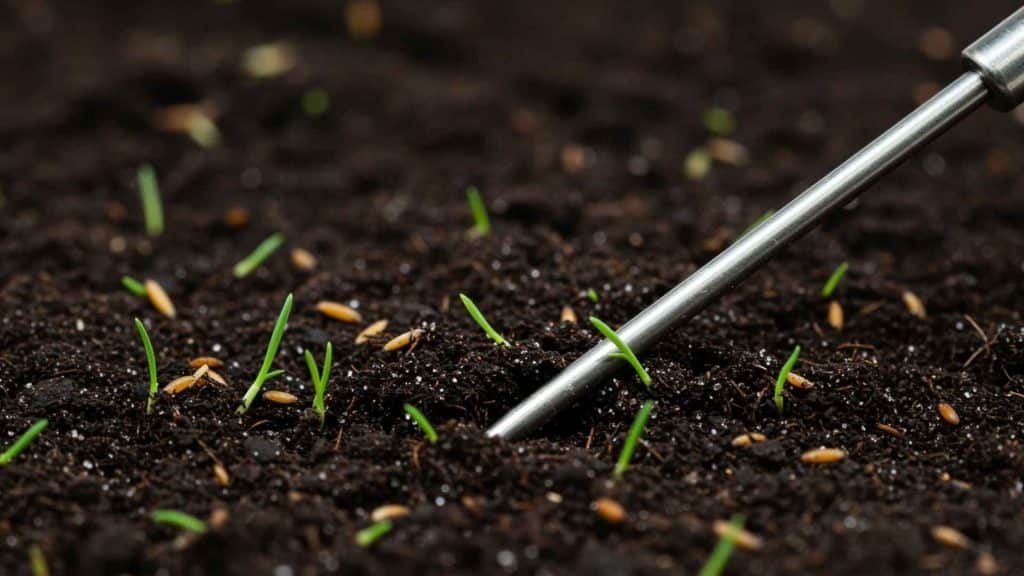
I always recommend using a basic soil thermometer before seeding. Push it about 5 to 8 cm into the ground, take readings at the same time each morning for three to five days, and only seed once you see consistent numbers in the right range.
2. Moisture Levels
Soil needs to stay consistently moist throughout the germination period. Not waterlogged, just evenly damp.
I’ve seen perfectly good seed fail simply because the soil dried out for two consecutive days during a the sprouting window. Light, frequent watering works far better than heavy, occasional soaking.
3. Grass Seed Type
Different varieties germinate on very different schedules. Perennial ryegrass can sprout in as few as 3 days, while bahiagrass regularly takes 30 days or more. The table below gives a full breakdown.
Mixing a fast-germinating variety like perennial ryegrass with a slower one like Kentucky bluegrass is a common strategy for quicker initial ground cover while the slower seed catches up.
4. Time of Year
Timing matters more than most people think. Cool-season grasses perform best when seeded in early autumn or spring. Warm-season grasses need late spring soil warmth to sprout properly.
Seeding during extreme heat or a cold snap almost always stalls germination. In my experience, early autumn seeding gives cool-season lawns two full growing seasons to build strong root systems before facing summer heat and disease pressure.
5. Soil Quality
Loose, well-aerated soil gives roots room to spread from day one. Hard, compacted ground slows everything down. Before any seeding project, I break up the top 2 to 3 inches of soil and remove debris.
That one step alone has a noticeable impact on how evenly and quickly a lawn fills in.
6. Soil pH
Soil acidity plays a bigger role in germination than most gardeners expect. Grass seed germinates best when soil pH falls between 6.0 and 7.0.
Outside that range, seeds struggle to absorb the nutrients they need to sprout.
A simple pH test kit from any garden center costs a few pounds and takes five minutes. If your reading is below 6.0, adding garden lime gradually raises the pH. If it reads above 7.5, sulfur-based amendments bring it back down.
Grass Seed Germination Times
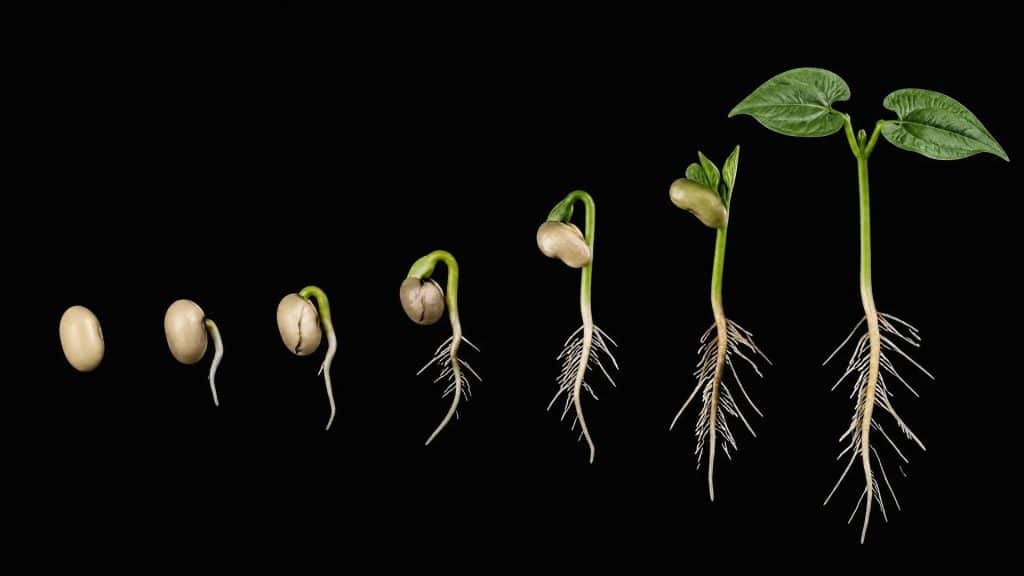
Perennial ryegrass is the fastest starter. I have seen it sprout in as little as 3 days when soil temperature and moisture were spot on.
Tall fescue and fine fescues follow closely behind. On the slower end, bahia, Bermuda, buffalo, and bluegrass can take up to 30 days or more.
Bahiagrass is the one I always flag for people who want quick results. It simply takes its time.
| Grass Type | Germination Time |
|---|---|
| Bahiagrass | 14 to 30+ days |
| Bermudagrass | 10 to 30 days |
| Buffalograss | 14 to 30 days |
| Carpetgrass | 7 to 10 days |
| Centipedegrass | 10 to 21 days |
| Fine Fescues | 6 to 15 days |
| Kentucky Bluegrass | 14 to 30 days |
| Perennial Ryegrass | 3 to 10 days |
| Tall Fescue | 5 to 12 days |
| Zoysiagrass | 10 to 28 days |
Use this table as your starting point. Real-world results will vary based on soil conditions, temperature, and how well you prep before seeding.
How to Speed Up Grass Seed GerminationIf you want faster results, pre-germinating your seeds is worth a try. Soak the seed in room-temperature water for 3 to 5 days, changing the water every 12 hours to prevent rot. Once you see tiny white root tips poking out, drain the seed, let it dry just enough to spread evenly, and plant it into prepared soil. This method can cut germination time by several days, and I have had good results pairing it with Milorganite or a starter fertilizer as a carrier for easy distribution with a spreader. |
Tips for Maximizing Grass Seed Germination
These are the steps that make the biggest difference, based on years of helping gardeners get their lawns established:
1. Prep the soil first: Loosen the top 2 to 3 inches of soil before seeding. Compacted ground blocks root growth from the start.
2. Seed at the right time: Cool-season grasses do best in early fall or spring. Warm-season grasses need warm soil, so late spring works best.
3. Keep moisture consistent: Water lightly once or twice daily until germination. Dry soil stalls the process completely.
4. Don’t seed too deep: Most grass seed germinates best when placed no deeper than ¼ inch below the surface.
5. Avoid heavy foot traffic: Stay off newly seeded areas until you see steady growth across the lawn.
Common Mistakes to Avoid
I’ve watched many lawn projects go sideways over the years. Most of the time, it comes down to the same handful of mistakes. Here’s what to watch out for and how to fix it.
1. Seeding at the Wrong Time
- Problem: Planting cool-season grass in summer heat or warm-season grass during a cold snap can completely stall germination. The seed sits in the soil doing nothing.
- Solution: Check your soil temperature before seeding. Cool-season grasses need 50°F to 65°F. Warm-season grasses need at least 65°F to 70°F.
2. Inconsistent Watering
- Problem: Letting the soil dry out even for a day or two during the germination window can kill the sprouting process entirely. This is the most common reason I see germination fail.
- Solution: Water lightly once or twice daily. The goal is consistently damp soil, not wet or dry. A simple moisture check with your finger works fine.
3. Seeding Too Deep
- Problem: Pushing the seed too far below the surface blocks sunlight from reaching the sprout. Most grass seed needs light to trigger germination.
- Solution: Keep seed placement at ¼ inch below the surface. Rake lightly after spreading rather than pressing the seed deep into the ground.
4. Skipping Soil Prep
- Problem: Seeding directly onto compacted, hard ground gives roots nowhere to go. Growth comes in patches and is uneven.
- Solution: Loosen the top 2 to 3 inches of soil before seeding. Remove debris, break up clumps, and level the surface for even coverage.
5. Walking on Newly Seeded Areas
- Problem: Foot traffic on freshly seeded ground displaces seed and compacts the soil before roots can take hold.
- Solution: Stay off seeded areas completely until the grass reaches at least 3 inches in height. Use temporary markers or barriers if needed.
When to Mow New Grass for the First Time?
One question I hear constantly is when to start mowing. Wait until the new grass reaches about 8 to 10 cm in height before cutting it for the first time.
Set your mower blade high, removing no more than one-third of the grass height in a single pass. Cutting too short too early damages the shallow root system and can thin out the lawn before it has a chance to fill in.
After your first three mows, you can gradually lower the blade to your preferred height.
Conclusion
Grass seed germination times range from 3 days for fast varieties like perennial ryegrass to over 30 days for slower growers like bahiagrass.
Knowing where your seed falls on that timeline saves you from reseeding too early, overwatering, or walking on ground that still needs time.
The factors that matter most are soil temperature, consistent moisture, proper depth, and giving the seed enough time. Pair those basics with a quick pH test and good soil prep, and germination becomes far more predictable.
Give your lawn the right conditions from day one, stay patient through that first month, and the results will follow.
If you are troubleshooting weak seedlings that sprouted thin and stretched, light exposure and soil warmth are the first two things to check.
Frequently Asked Questions
Can I Use Old Grass Seed from Last Year?
You can, but germination rates drop by 10% to 20% each year. Always perform a “sprout test” on wet paper towels to check viability before committing to your entire lawn.
Should I Cover the New Seed with Straw?
Using a thin layer of certified weed-free straw helps retain moisture and protects seeds from birds. It prevents the soil from drying out too quickly, which is a leading cause of failure.
Is It Necessary to Use Starter Fertilizer?
Yes, because most soils lack the immediate phosphorus levels required for rapid root development. A starter fertilizer provides the specific nutrient boost that brand-new, tiny sprouts need to survive their first month.
What Happens if It Rains Heavily After Seeding?
Heavy rain can cause seed washout, pooling seeds in low spots, and leaving other areas bare. If this happens, wait for the soil to dry slightly, then rake and reseed the patches.
Can I Kill Weeds While the Grass Is Germinating?
No, you should avoid herbicide treatments until you have mowed the new grass at least three times. Most weed killers will stunt or kill young, tender grass seedlings during early growth.