
Most homeowners don’t know how much energy their home wastes. That’s a costly problem.
High utility bills pile up month after month. Buyers and renters check energy ratings before making decisions. A low score could cost you a sale or thousands of dollars every year.
An EPC calculator changes that. It gives you a fast, clear picture of your home’s energy performance, without the expense of an audit.
In this guide, you will find out what an EPC calculator is, which tools work best for U.S. homes, and how to use your results to cut costs.
What Is an EPC Calculator?
An EPC calculator estimates your home’s annual energy consumption. The tool evaluates key energy features, including insulation quality, heating and cooling systems, and window types. We use tools like Home Energy Score and HERS Index, etc.
Why You Need One:
- Saves money by identifying costly energy losses
- Guides smart upgrade decisions before significant spending
- Reveals expected energy costs for house buyers and sellers
- Requires no expensive professional visits for initial assessment
These calculators deliver results quickly without the need to hire auditors. You answer basic questions about your home.
The tool analyzes your information within minutes or hours. You gain clear insight into your house’s energy efficiency and discover which improvements offer the best return on investment.
What Does an EPC Calculator Measure?
Before you enter any data, it helps to know what the calculator is actually looking at.
- Insulation is one of the biggest factors. Poor wall, roof, and floor insulation leads to high heat loss. This directly lowers your energy score.
- Heating and cooling systems matter a great deal, too. Old, inefficient furnaces or air conditioning units use far more energy than modern equipment.
- Windows and doors also play a role. Single-pane windows lose heat quickly. Double or triple-pane windows reduce that loss significantly.
- Renewable energy sources, such as solar panels, can improve your score. These systems reduce the amount of energy your home draws from the grid.
- Property size, age, and type all affect the score. Older homes often score lower due to their original construction. Larger homes tend to use more total energy.
Inputs Needed for an EPC Calculator
To get useful results, you need accurate data about your home. Here is what most calculators ask for:
| Category | Details Needed |
|---|---|
| Home Details | Square footage, number of rooms, and bedrooms, and ceiling height |
| Insulation | Wall, attic, and basement insulation type; depth of attic insulation; any recent upgrades |
| Heating & Cooling | Furnace or boiler type, age, efficiency rating; AC type and SEER rating; water heater type and age; any heat pumps |
| Windows & Doors | Number of windows: single, double, or triple-pane; storm windows; exterior door type (solid or insulated) |
| Energy Usage | Annual electricity and gas bills; monthly consumption in kWh or therms |
Gathering this information before you start saves time. Walk through your home, check your utility bills, and note the age of your major systems.
Top 5 EPC Calculators for U.S. homes
When evaluating your home’s energy efficiency, the right EPC calculator can offer valuable insights. Here are the top 5 tools you can use to assess and improve your home’s energy performance.
1. Home Energy Score
The home Energy Score, created by the Department of Energy, provides a rating from 1 to 10 based on energy efficiency. Trained assessors collect around 50 data points during a one-hour on-site inspection.
The score estimates annual energy costs and carbon emissions and offers tailored improvement recommendations for single-family houses and townhomes.
2. HERS Index
The HERS Index, developed by RESNET, uses a scale in which lower scores indicate greater efficiency. It’s commonly used for new construction but can also be applied to existing homes.
The rating process includes detailed tests, such as blower door and duct leakage tests, which can cost $400 to $1,000.
3. Home Energy Yardstick
Operated by ENERGY STAR, the Home Energy Yardstick compares your house’s energy use with similar homes nationwide. With a 1-10 scoring system, it estimates carbon emissions and potential savings.
This tool is widely used in state utility rebate programs and offers practical guidance to improve your energy efficiency.
4. Energy Star Portfolio Manager
The Energy Star Portfolio Manager tracks your house’s energy performance over time. It compares your energy use against similar properties and provides insights into areas for improvement.
The tool also allows residents to apply for ENERGY STAR certification if they meet efficiency standards, boosting property value and sustainability.
5. Earth Advantage EPS
The Earth Advantage EPS, available in Oregon, Washington, and other Western states, uses a 1-to-10 scale to assess energy performance.
Certified assessors perform detailed inspections and provide recommendations for cost-effective energy improvements. It helps residents prioritize upgrades that will enhance energy efficiency and reduce utility bills.
These top calculators offer a variety of tools tailored to U.S. homes, each providing unique benefits tailored to the home’s needs. Use them to assess your house’s energy efficiency and plan for improvements.
How to Use an EPC Calculator: Step by Step
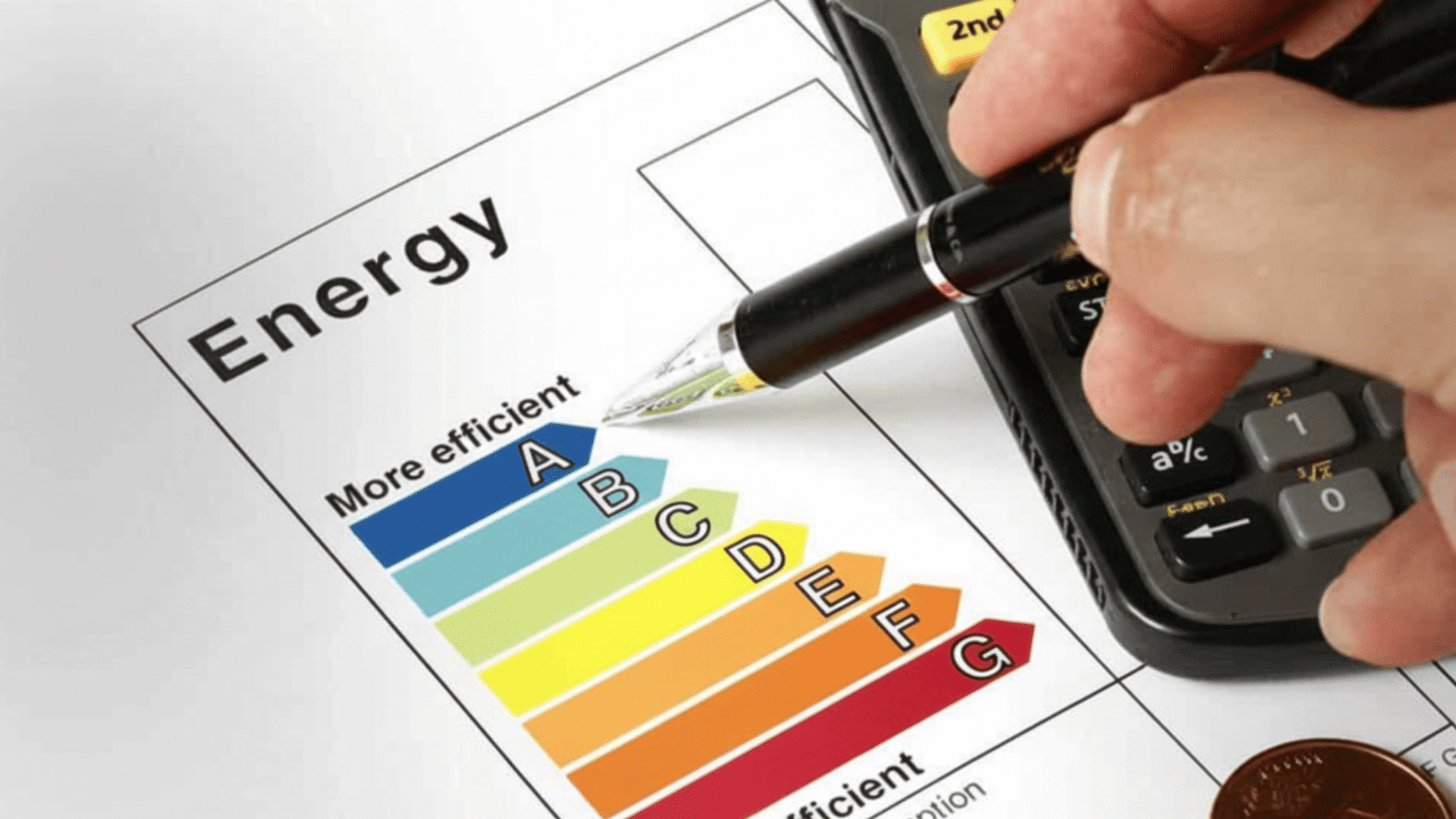
Using an EPC calculator is a straightforward way to assess your home’s energy efficiency. Follow these steps to accurately evaluate your home and get actionable insights for improvements.
Step 1: Choose the right tool. The Home Energy Score works for most existing homes nationwide. The HERS Index applies to new builds and homes undergoing major renovations. BEopt works well when planning upgrades. Earth Advantage EPS is specific to Oregon and Washington.
Step 2: Open the tool and enter your home’s location and size. Start with basic details: address, square footage, and property type.
Step 3: Enter insulation and building details. Add wall type, attic insulation level, floor insulation, and window type.
Step 4: Enter your heating, cooling, and water heating systems. Include the age and type of each system. Older equipment reduces your score.
Step 5: Add utility bill data if required. The Home Energy Yardstick needs your utility bills from the past 12 months. Other tools estimate based on your home’s features.
Step 6: Submit and review your results. Your score will appear along with estimated energy costs and a list of recommended upgrades.
Step 7: Build an improvement plan. Start with the most cost-effective changes. Re-score your home after making upgrades to track your progress.
Pro Tip: For a legally recognized energy rating, you still need a certified assessor. These online tools give you a strong estimate, not an official certificate.
Pros and Cons of Using an EPC Calculator
EPC calculators are a quick and affordable way to assess your home’s energy efficiency, but they come with their limitations. Here are the key advantages and disadvantages to consider before using one.
| Pros | Cons |
|---|---|
| Fast, results in an hour or less | Results depend on how accurately you enter data |
| Free or low cost | Scores are estimates, not certified ratings |
| Highlights top energy-saving opportunities | May not account for local climate differences |
| Useful before buying or selling a property | Cannot identify hidden structural issues |
| Instant digital results | May miss complex energy situations in older homes |
| Helps rank upgrades by cost-effectiveness | Does not replace a professional on-site inspection |
EPC calculators offer many benefits, such as convenience and affordability, but they also have limitations that may affect the accuracy of your results. Knowing both pros and cons will help you decide if it’s the right tool for your needs.
When to Consider a Professional Instead of an EPC Calculator
A professional energy audit is ideal when planning major renovations, experiencing high energy bills, or dealing with complex systems, such as older houses or multi-zone HVAC.
Auditors use detailed testing (infrared cameras, blower door tests) to identify hidden issues and provide precise upgrade recommendations. Unlike calculators, audits offer official documentation required for resale, tax credits, and incentives.
Although more expensive ($400 to $1,000), professional audits provide valuable insights that prevent costly mistakes and support financing and rebate applications.
Conclusion
An EPC calculator is the fastest, most affordable way to understand your home’s energy use. You get a clear score, estimated costs, and a list of improvements, all without booking a professional visit.
Knowing your energy rating helps you plan smarter upgrades, lower monthly bills, and make your home more attractive to buyers or renters. For a basic check, a free online calculator is all you need. For major decisions, back it up with a professional audit.
Start by choosing the right EPC calculator for your needs, gather your home details, and take the first step toward a more energy-efficient home.
Have questions about your results? Drop them in the comments below. We are happy to help.