
Running out of space at home, but don’t want to lose your garden? That narrow strip along the side of your house could be the answer.
A small side extension makes that overlooked space work harder by giving you room for practical daily use.
In my work planning space-smart renovations, this blog shows you exactly how to make it work.
You’ll see practical extension ideas, from kitchen expansions to home offices, complete with real cost breakdowns.
We’ll cover what works best for semi-detached homes, smart ways to save money, and common mistakes that waste time and cash.
You’ll walk away with a clear plan for choosing the option that matches how you live.
What Is a Small Side Extension?
A small side extension is a narrow addition built along the side of your home. It uses that thin strip of space between your house and your property line.
Even though the footprint is modest, the added floor area changes how easily your home functions. Think of it as reclaiming space your floor plan already accounts for but rarely uses.
Owners use this space for anything from better cooking layouts to organized work areas and improved storage flow.
Semi-detached homes benefit the most because there’s often a long, narrow side gap that sits empty. This wasted space can add real square footage without taking up garden area.
The beauty of a side extension is its simplicity. You’re not building out into your yard or adding a second floor. You’re just using space that’s already there.
Key Benefits of a Small Side Extension
Small side extensions deliver big value, even when they only add a modest footprint.
They solve real problems without taking over your entire garden or requiring major structural changes. Here’s what makes this project worth the investment.
- Creates functional, everyday space: A few extra feet can give you room for a breakfast bar, pantry, laundry area, or storage. These are the spaces that make daily life easier and more organized.
- Improves natural light: When paired with skylights or glazed doors, these extensions brighten old layouts instantly. Dark hallways and gloomy kitchens get a fresh, open feel.
- Increases property value: Adding usable interior space boosts appeal and functionality. Even small additions make your home more attractive to future buyers.
- Works well with compact or semi-detached plots: Side areas are often overlooked, making them perfect for creative expansion. You’re using space that’s already on your property but is currently doing nothing.
Small Side Extension Ideas
From kitchen design tweaks to clever utility rooms, these small side extension ideas help you get the most out of every inch.
Each option solves a different space challenge while staying budget-friendly and practical.
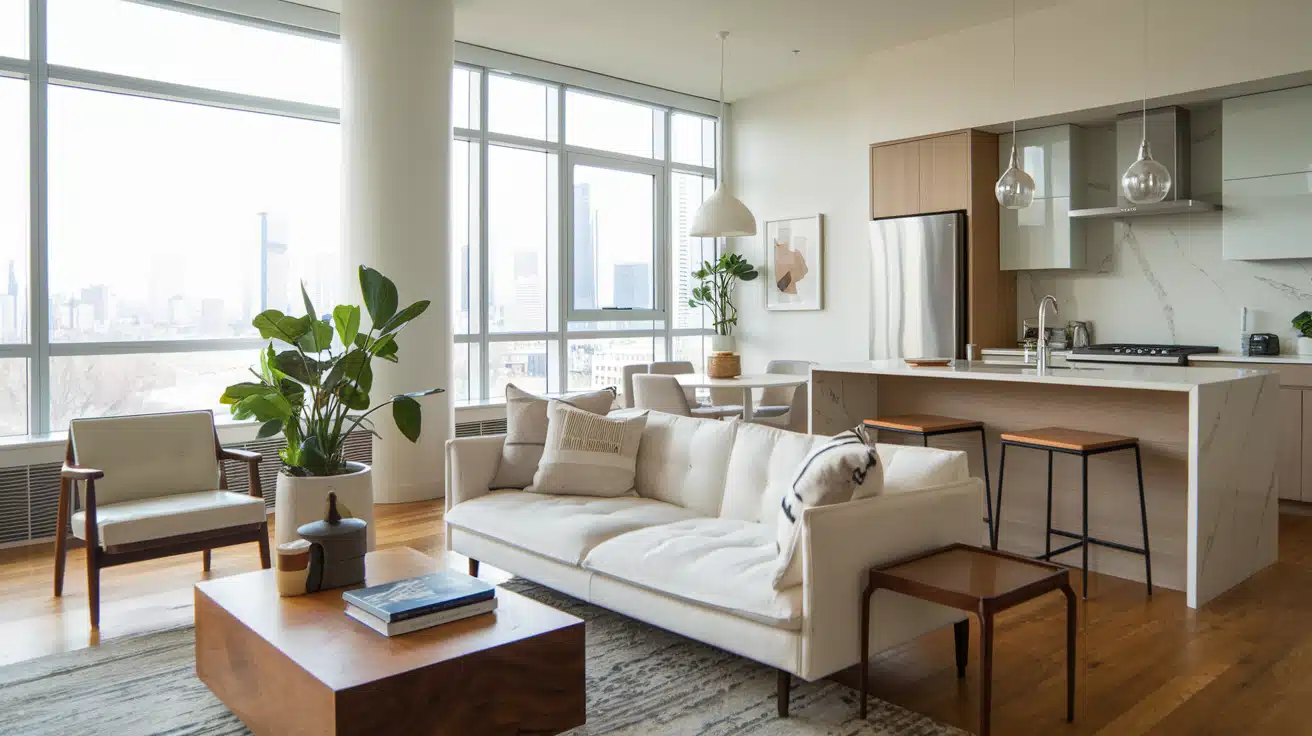
1. Side Return Kitchen Extension
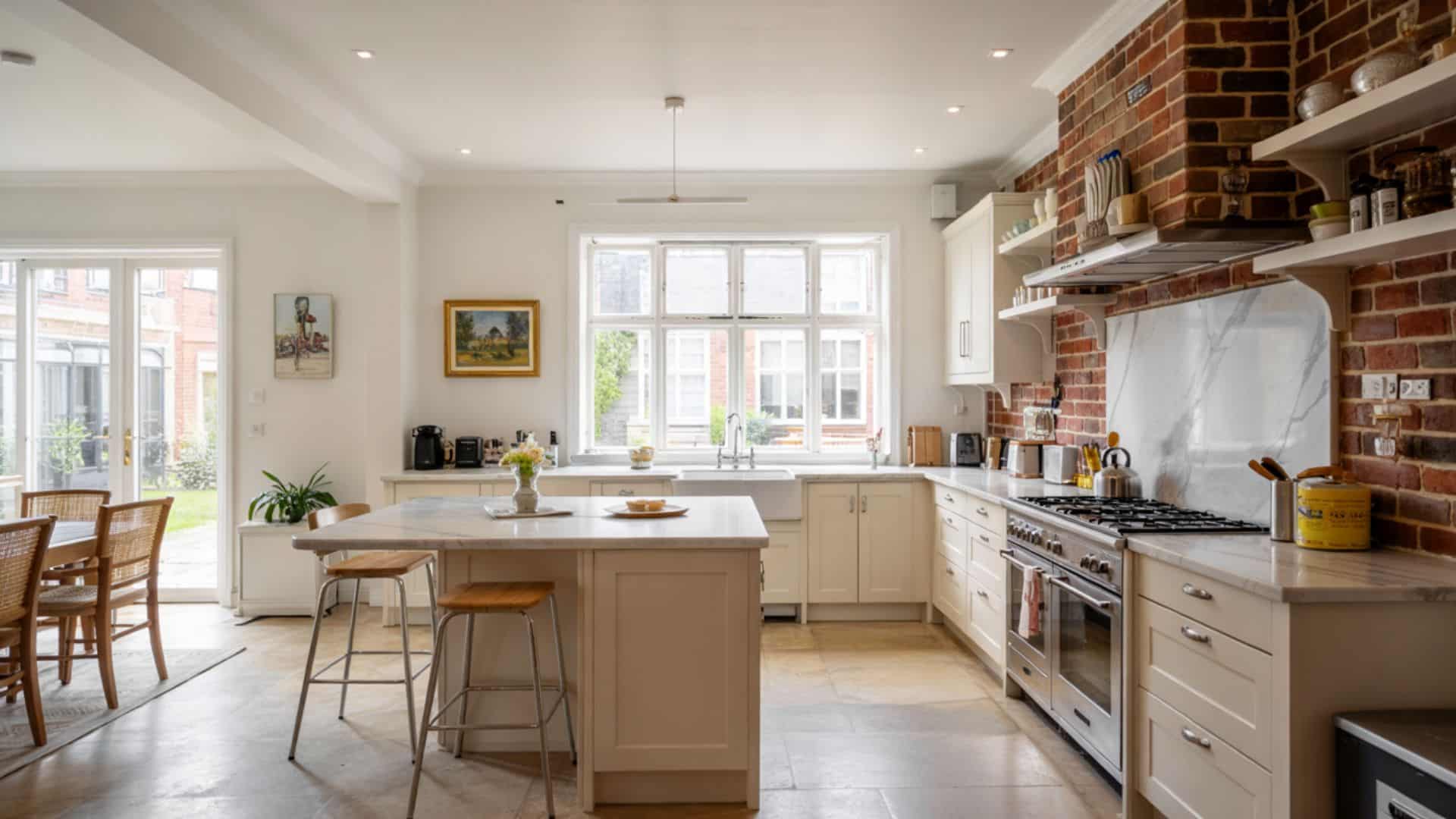
This is the classic choice for good reason. Opening up the kitchen into the side passage creates an airy, open-plan layout with more prep space and better flow.
Feel free to add an island, extra counters, or a casual dining spot to make your space more inviting and functional.
| Item | Low Range | Mid Range | High Range |
|---|---|---|---|
| Side Return Kitchen Extension | $8,000–$12,000 | $12,000–$20,000 | $20,000–$35,000 |
2. Narrow Utility or Laundry Room Extension
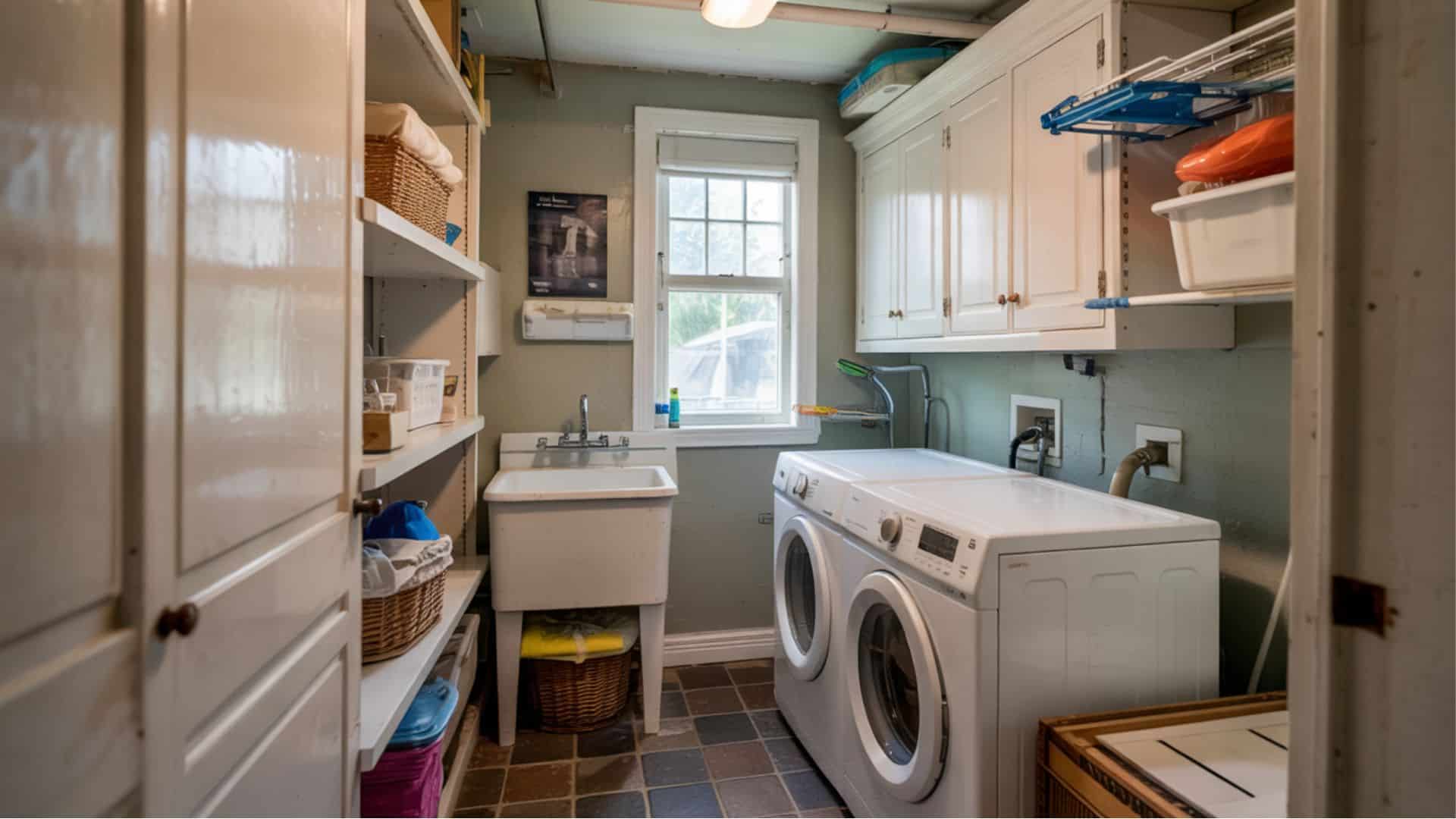
If your current laundry is cramped, relocating it to a slim side extension frees up space elsewhere. It also keeps noise and mess away from living areas.
This works especially well near back doors or garages, making it a convenient choice for these areas.
| Item | Low Range | Mid Range | High Range |
|---|---|---|---|
| Narrow Utility Room | $4,000–$6,000 | $6,000–$10,000 | $10,000–$15,000 |
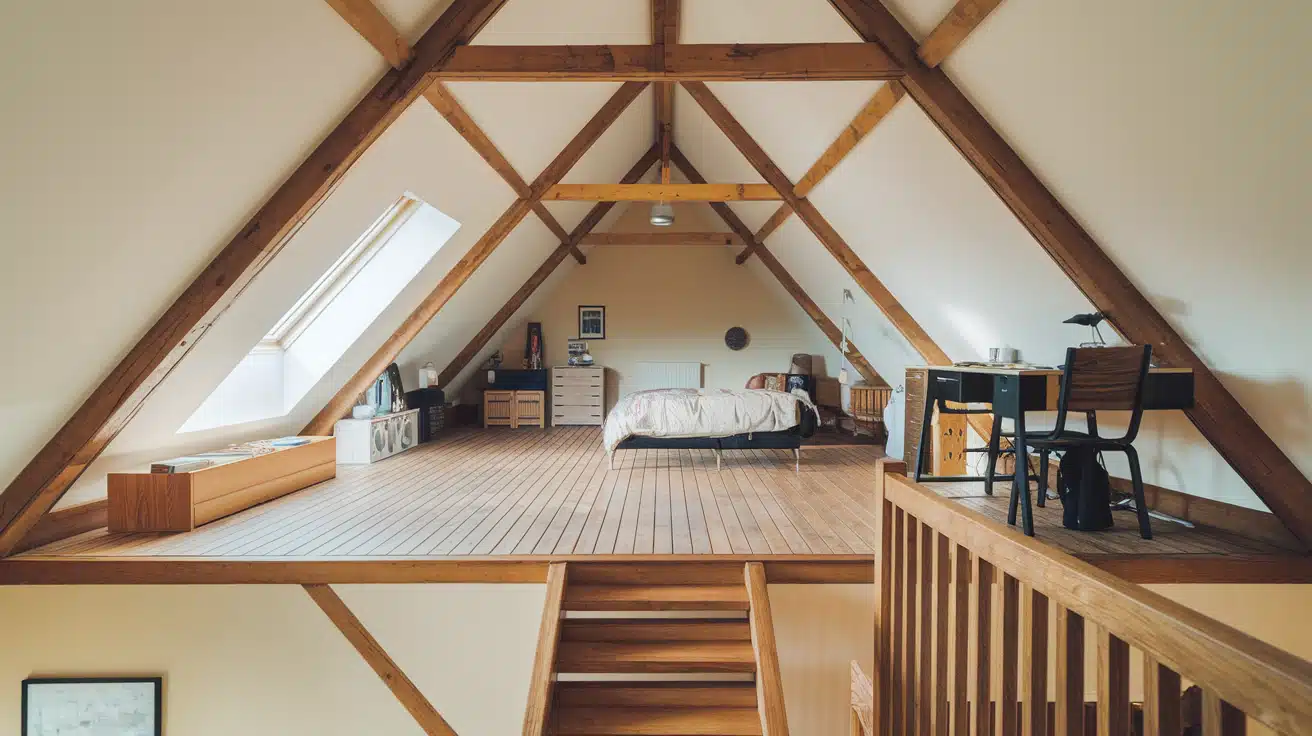
3. Compact Home Office Nook Extension
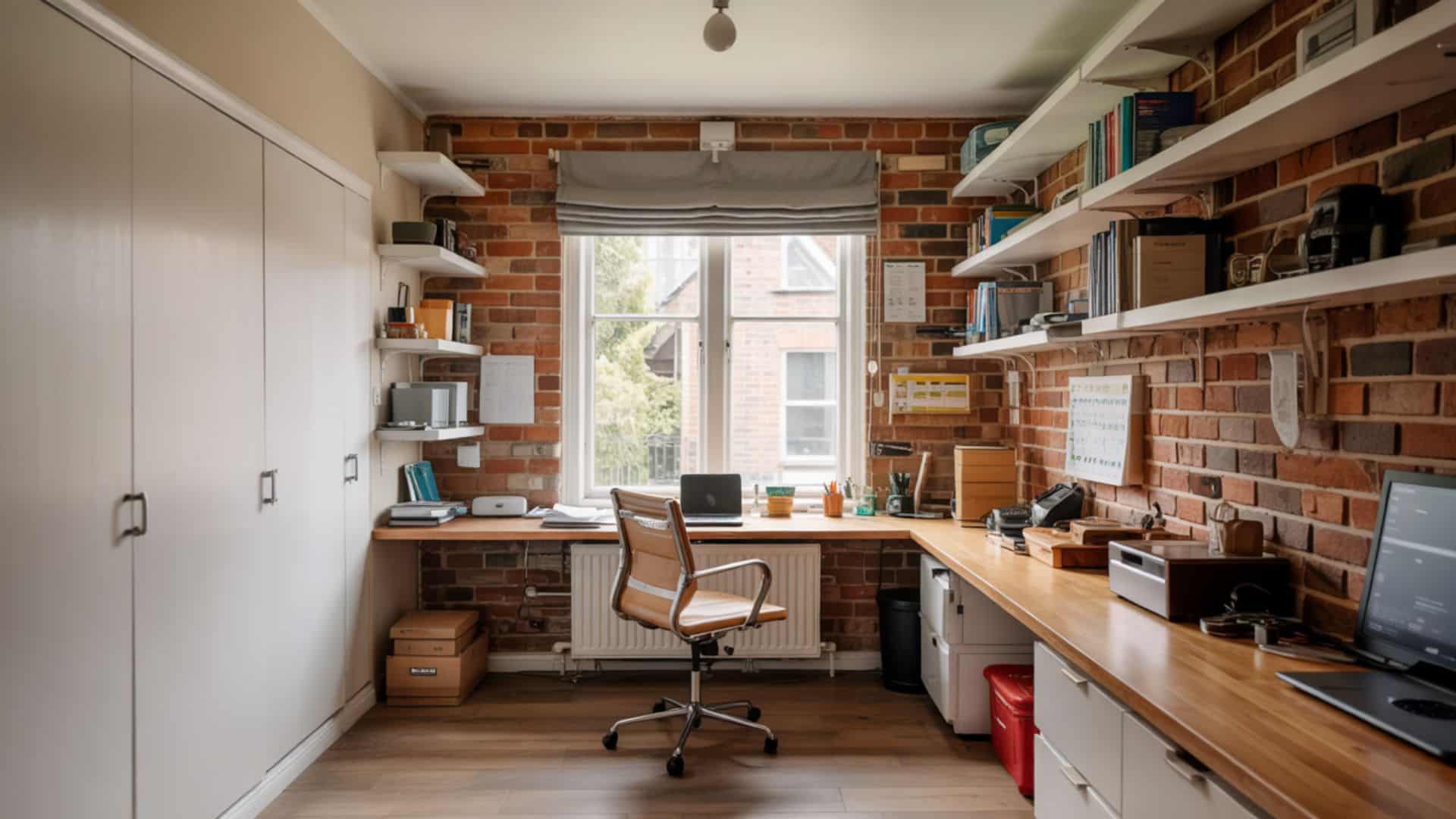
This setup is perfect for remote work and still keeps a bedroom free. It’s a great way to enjoy working from home without giving up your comfort and privacy.
A slim structure with built-in desks and shelves is often all you need. Add a window for natural light and focus.
| Item | Low Range | Mid Range | High Range |
|---|---|---|---|
| Compact Home Office | $5,000–$7,000 | $7,000–$12,000 | $12,000–$18,000 |
4. Side Mudroom or Entryway Expansion
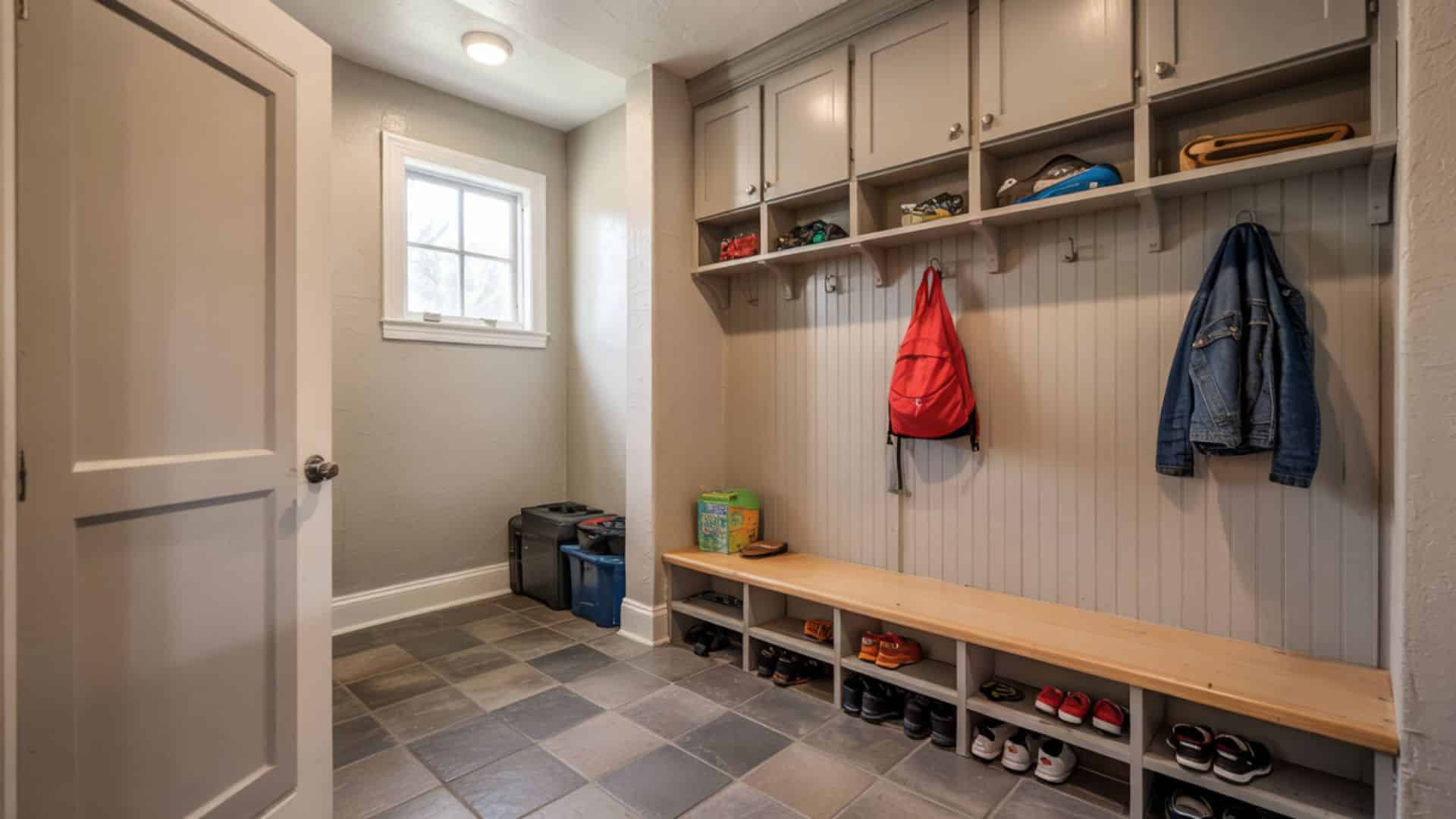
Perfect for families who need a drop zone near the door. This area keeps shoes, coats, and bags organized without cluttering your main hallway.
Consider adding hooks, cubbies, and a bench to make the space more functional and inviting.
| Item | Low Range | Mid Range | High Range |
|---|---|---|---|
| Side Mudroom | $3,500–$5,000 | $5,000–$8,000 | $8,000–$12,000 |
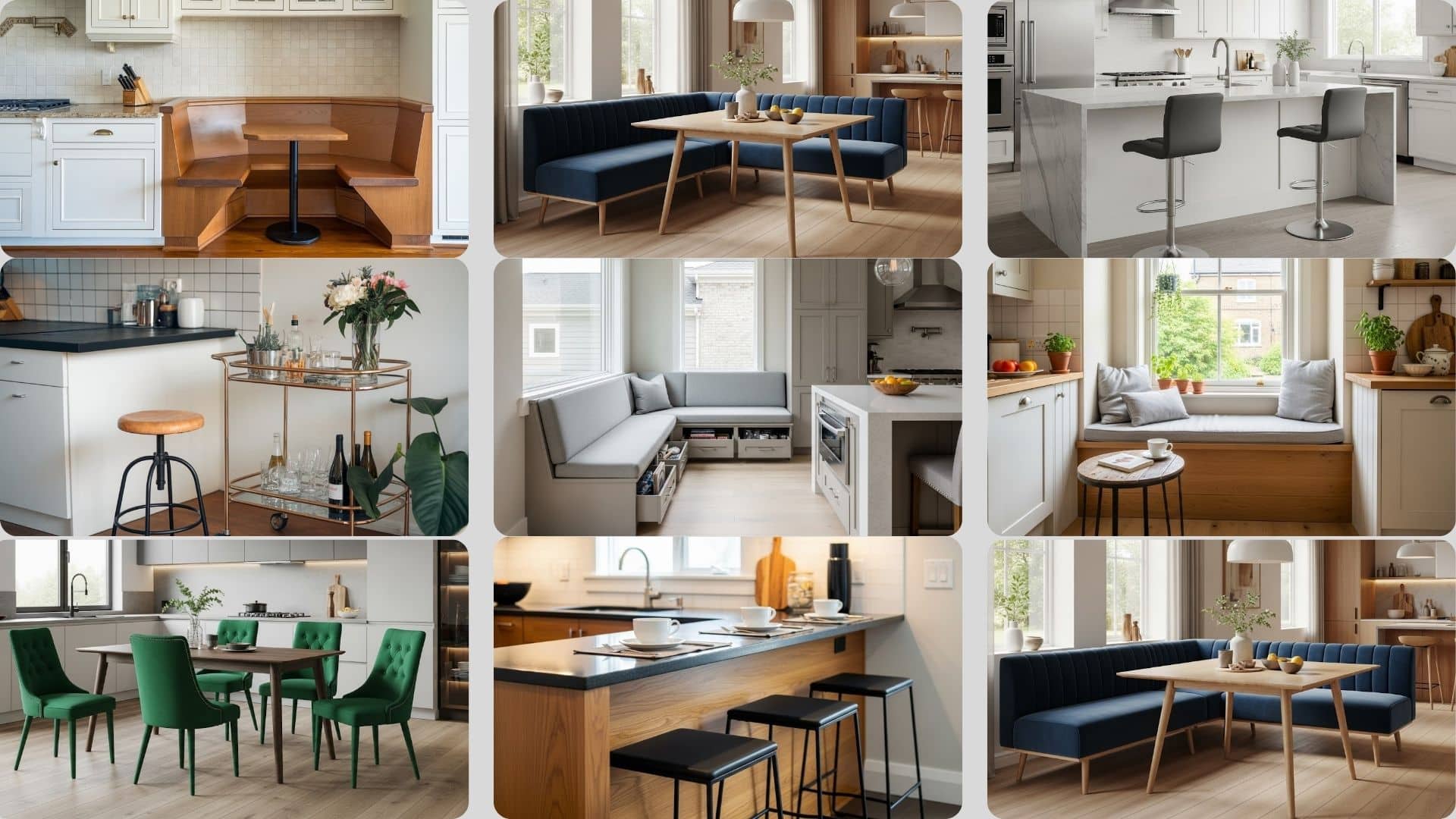
5. Slim Dining Area Extension
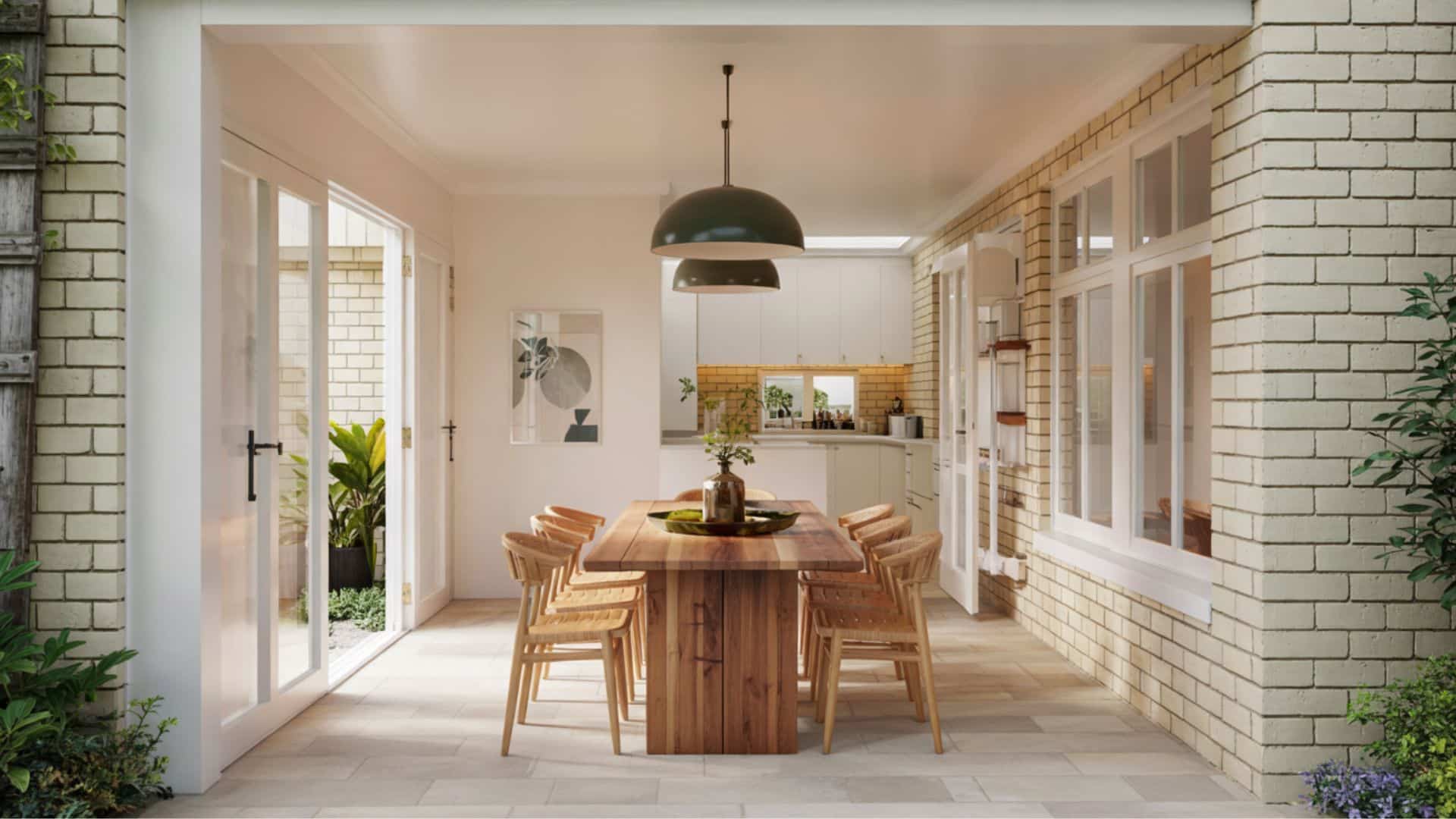
Adding just a few extra feet allows for a dining table or breakfast seating that doesn’t squeeze into your main kitchen.
This creates a cozy eating area that feels both separate and connected, making the space inviting and warm.
| Item | Low Range | Mid Range | High Range |
|---|---|---|---|
| Slim Dining Extension | $5,000–$8,000 | $8,000–$13,000 | $13,000–$20,000 |
6. Small Side Conservatory or Sunroom
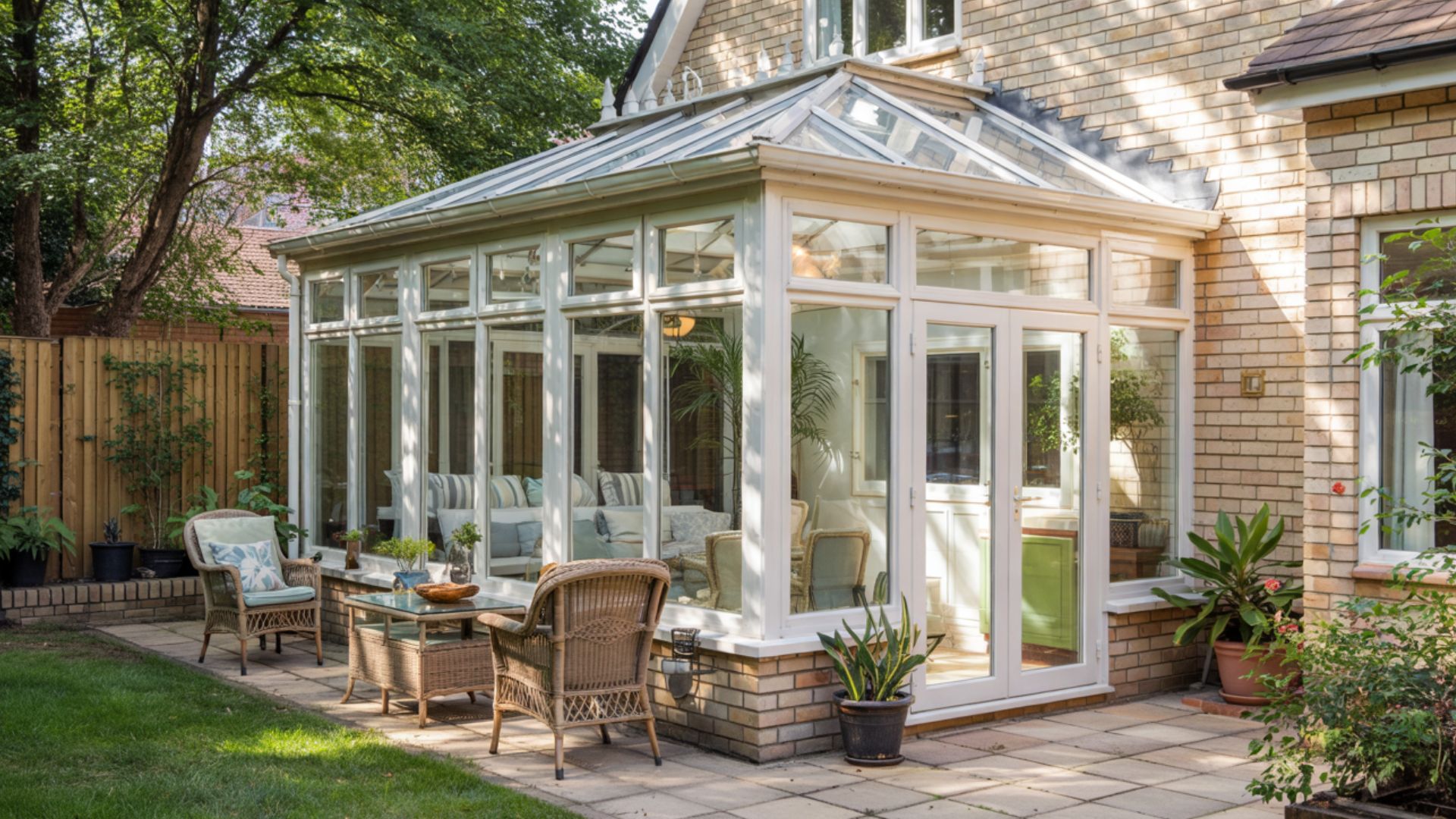
A light-filled side conservatory makes a beautiful sitting space without needing a large footprint. Use it for morning coffee, reading, or as a bright plant room.
Glass roofs and walls maximize sunlight, and comparing conservatory and orangery styles side by side can help you settle on the right design before you build.
| Item | Low Range | Mid Range | High Range |
|---|---|---|---|
| Side Conservatory | $8,000–$12,000 | $12,000–$18,000 | $18,000–$30,000 |
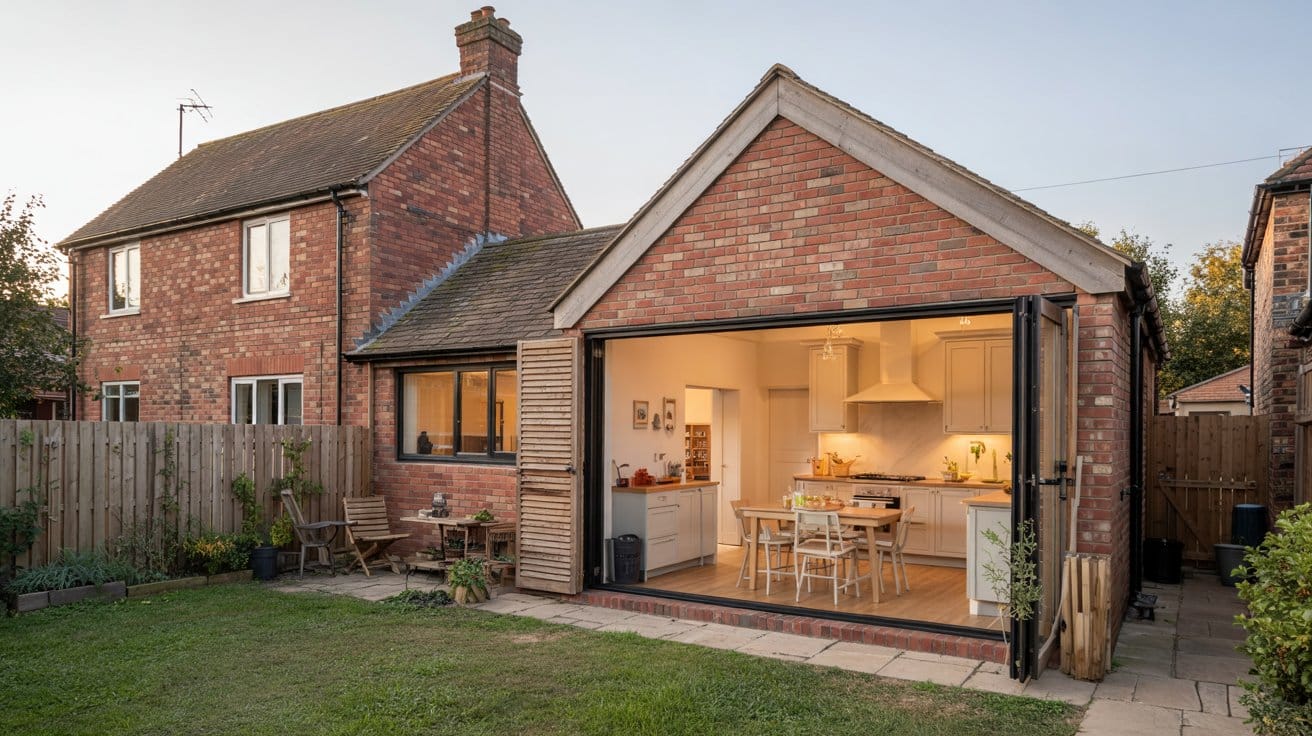
7. Glass Door Side Extension for Indoor-Outdoor Flow
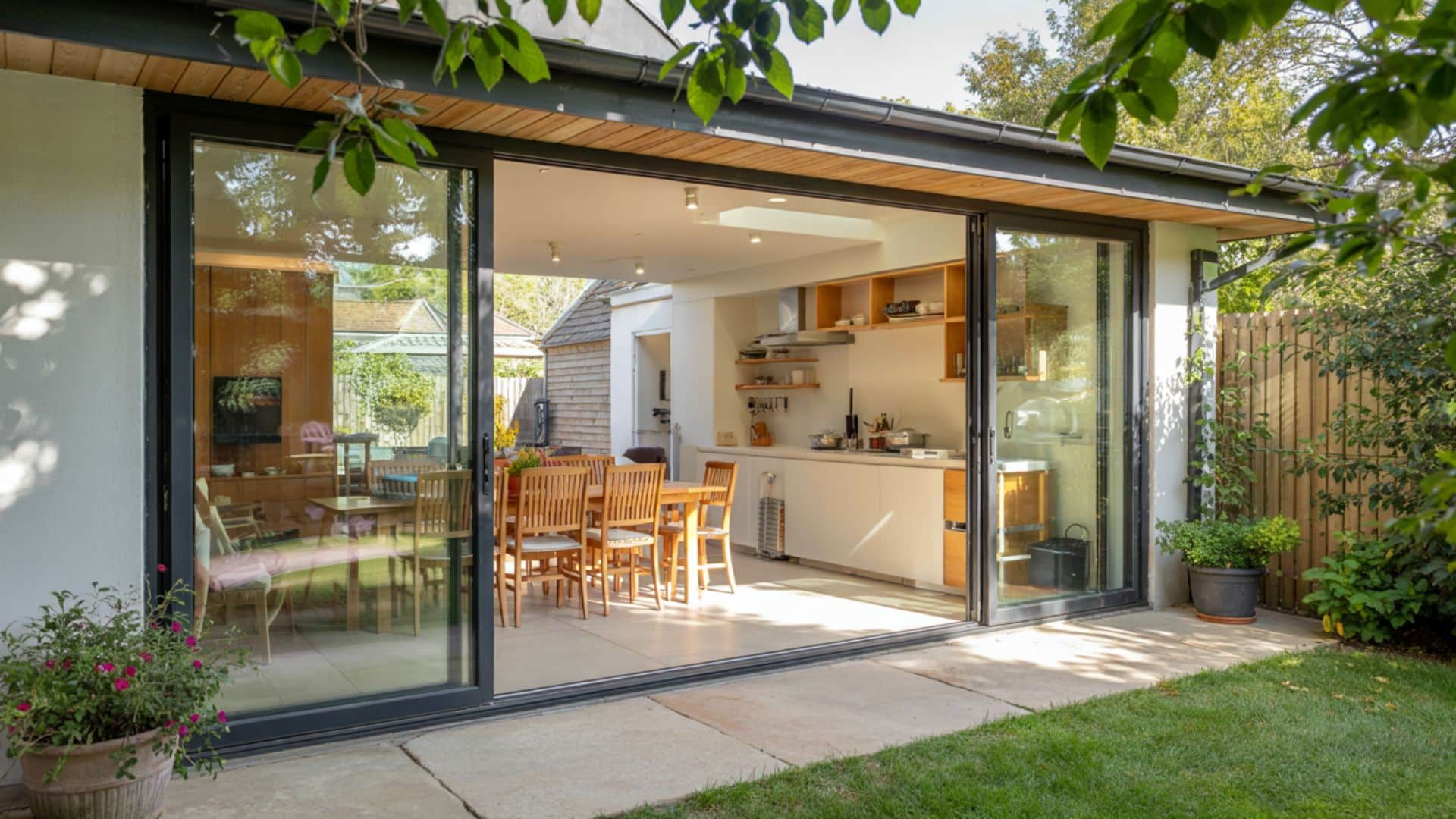
Sliding or folding glass doors beautifully invite the garden into your home, creating a sense of openness that makes even narrow spaces feel more spacious and welcoming.
This setup works well for kitchens or dining areas that connect to outdoor entertaining spaces.
| Item | Low Range | Mid Range | High Range |
|---|---|---|---|
| Glass Door Extension | $6,000–$10,000 | $10,000–$16,000 | $16,000–$25,000 |
8. Side Hallway Expansion
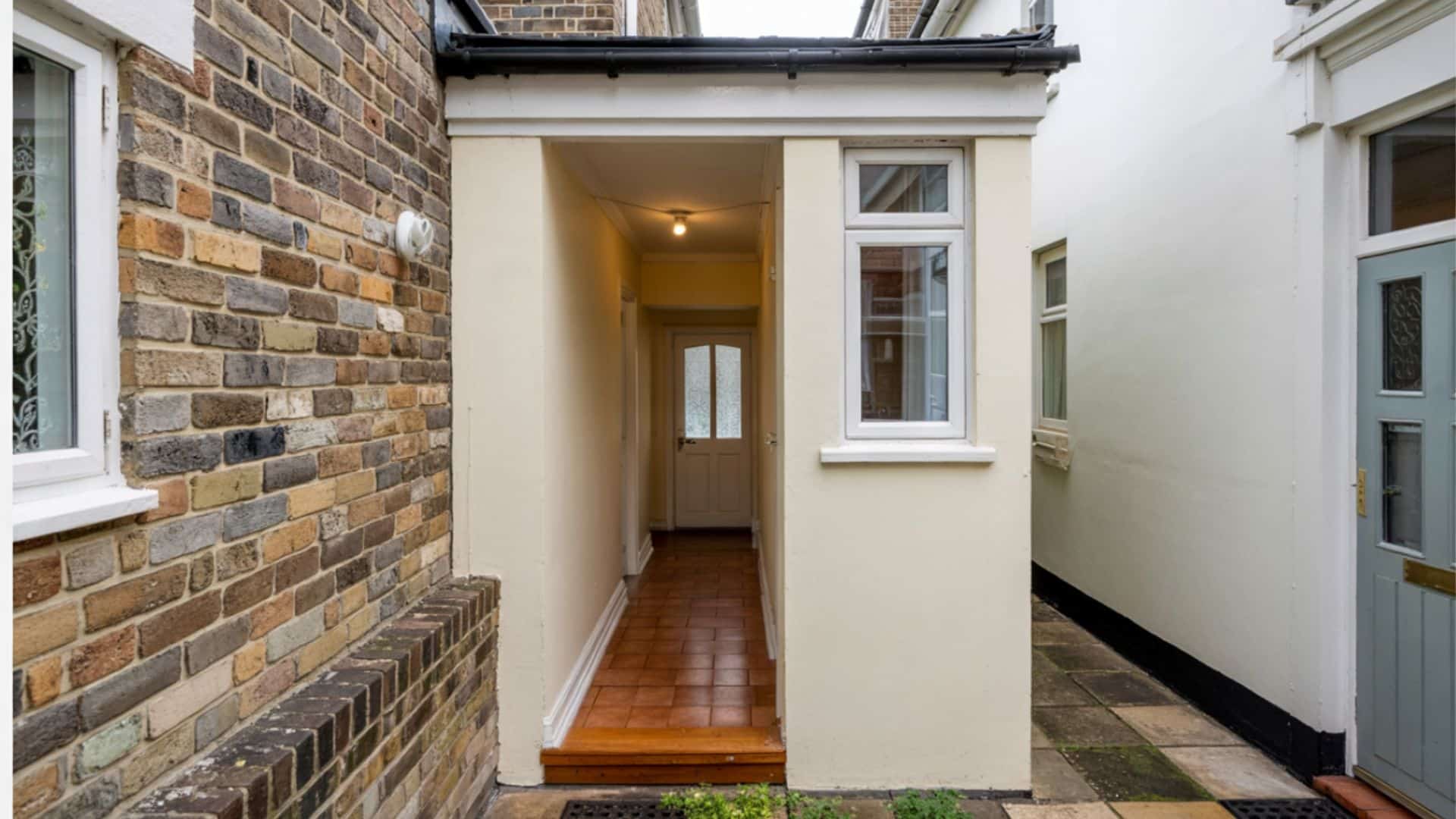
Straighten awkward layouts by extending along the side to create better circulation and more natural light.
This fixes bottleneck hallways and makes your home feel more spacious and easier to move through.
| Item | Low Range | Mid Range | High Range |
|---|---|---|---|
| Side Hallway Expansion | $4,000–$7,000 | $7,000–$11,000 | $11,000–$16,000 |
9. Small Guest WC or Shower Room
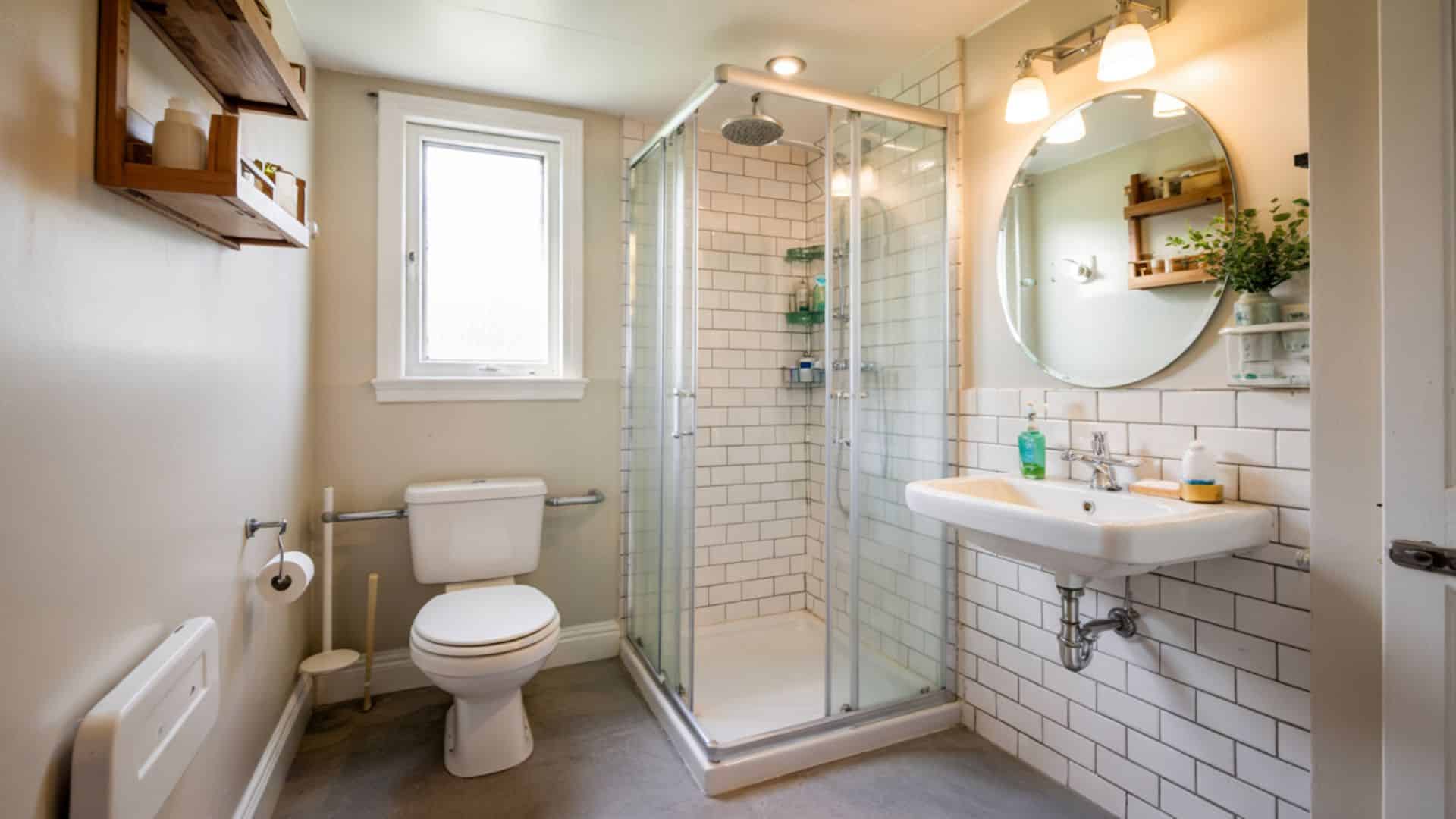
A compact bathroom is one of the most practical small side extension ideas. It increases convenience for guests and family members.
Even a tiny footprint can fit a toilet, sink, and shower, similar to the space-saving layouts used in small wet room designs.
| Item | Low Range | Mid Range | High Range |
|---|---|---|---|
| Small Bathroom | $6,000–$9,000 | $9,000–$15,000 | $15,000–$22,000 |
10. Side Storage Extension for Bikes and Tools
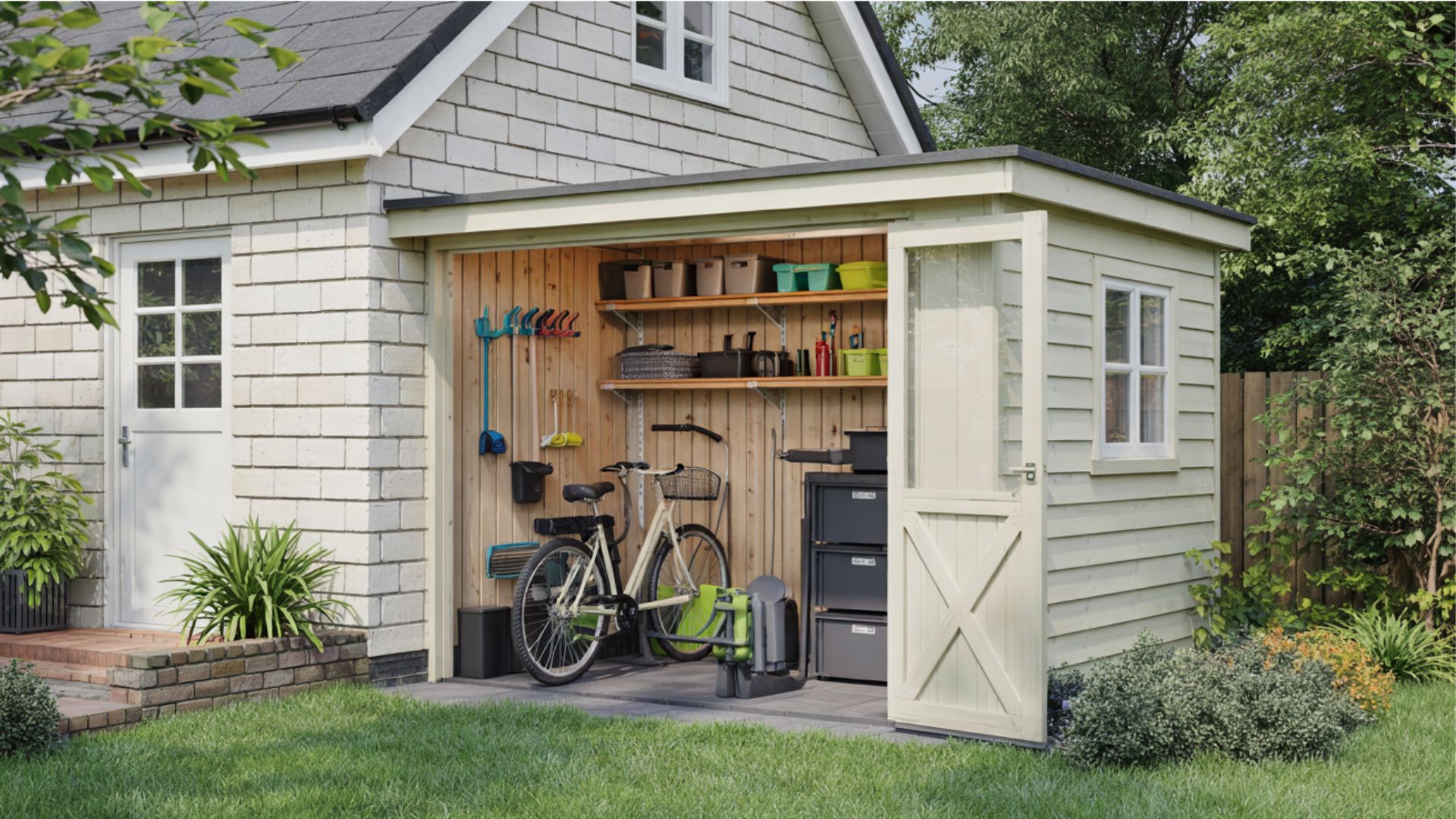
This budget-friendly option keeps outdoor gear organized and frees up garage space.
A simple side shed extension with proper weatherproofing stores bikes, garden tools, sports equipment, and seasonal items.
| Item | Low Range | Mid Range | High Range |
|---|---|---|---|
| Side Storage Extension | $2,500–$4,000 | $4,000–$7,000 | $7,000–$10,000 |
Semi-Detached Side Extension Ideas
Semi-detached homes come with their own layout quirks and challenges when it comes to side extensions.
These ideas help you make the most of the shared structure and narrow plots typical of this home type.
1. Side Return Kitchen for Semi-Detached Homes
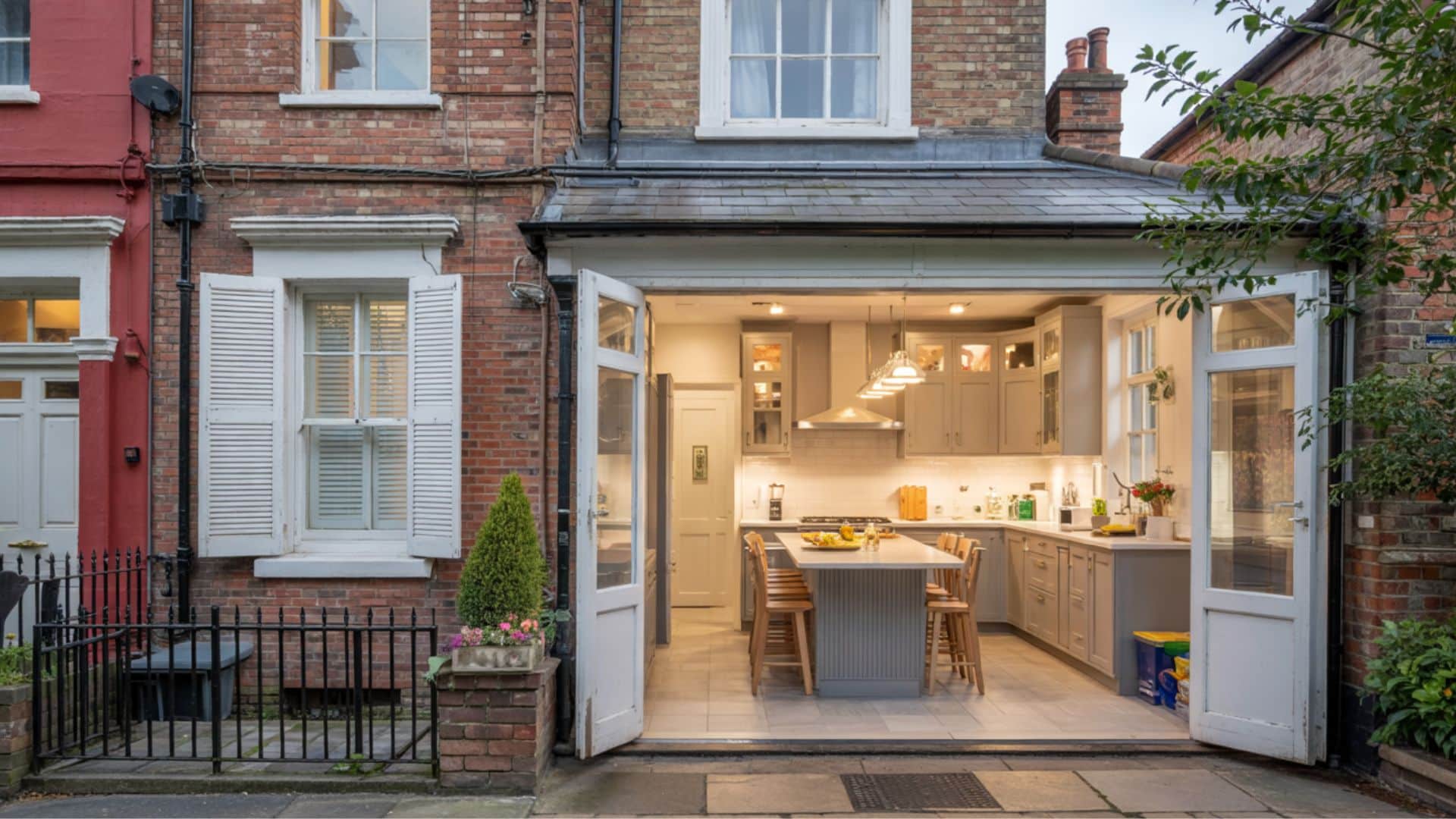
Use the side return to create a spacious kitchen-diner that blends cooking, dining, and socializing.
This layout works particularly well when you knock through the existing kitchen wall and extend into the side passage.
| Item | Low Range | Mid Range | High Range |
|---|---|---|---|
| Semi-Detached Kitchen Extension | $10,000–$15,000 | $15,000–$25,000 | $25,000–$40,000 |
2. Using the Shared Party Wall Effectively
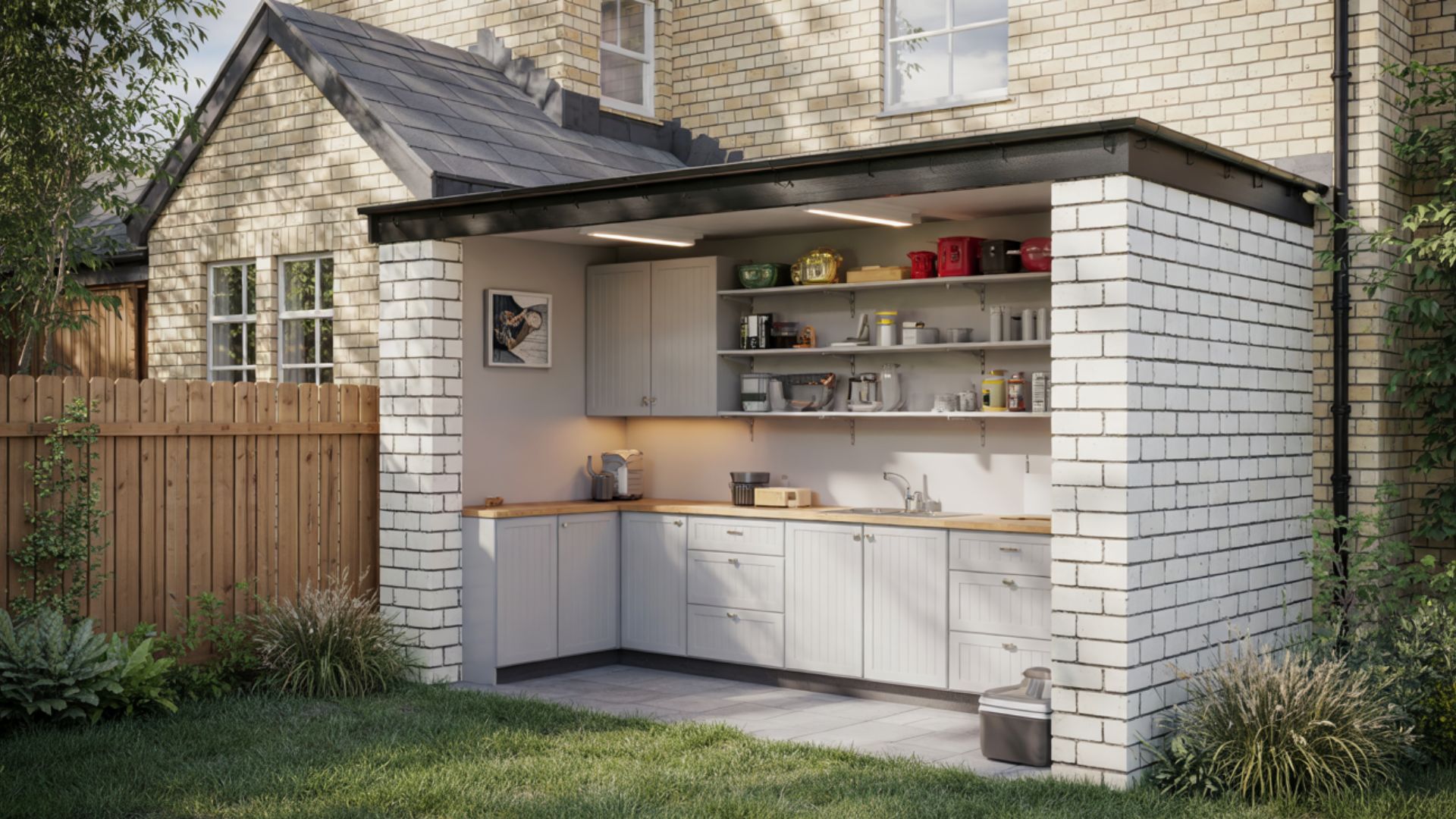
The party wall can support beams, cabinetry, and load-bearing structures, often reducing costs.
Work with your builder to anchor shelving, mount heavy appliances, or tie structural elements into this existing wall.
| Item | Low Range | Mid Range | High Range |
|---|---|---|---|
| Party Wall Integration | $1,500–$3,000 | $3,000–$5,000 | $5,000–$8,000 |
3. Wraparound Side Plus Rear Layout
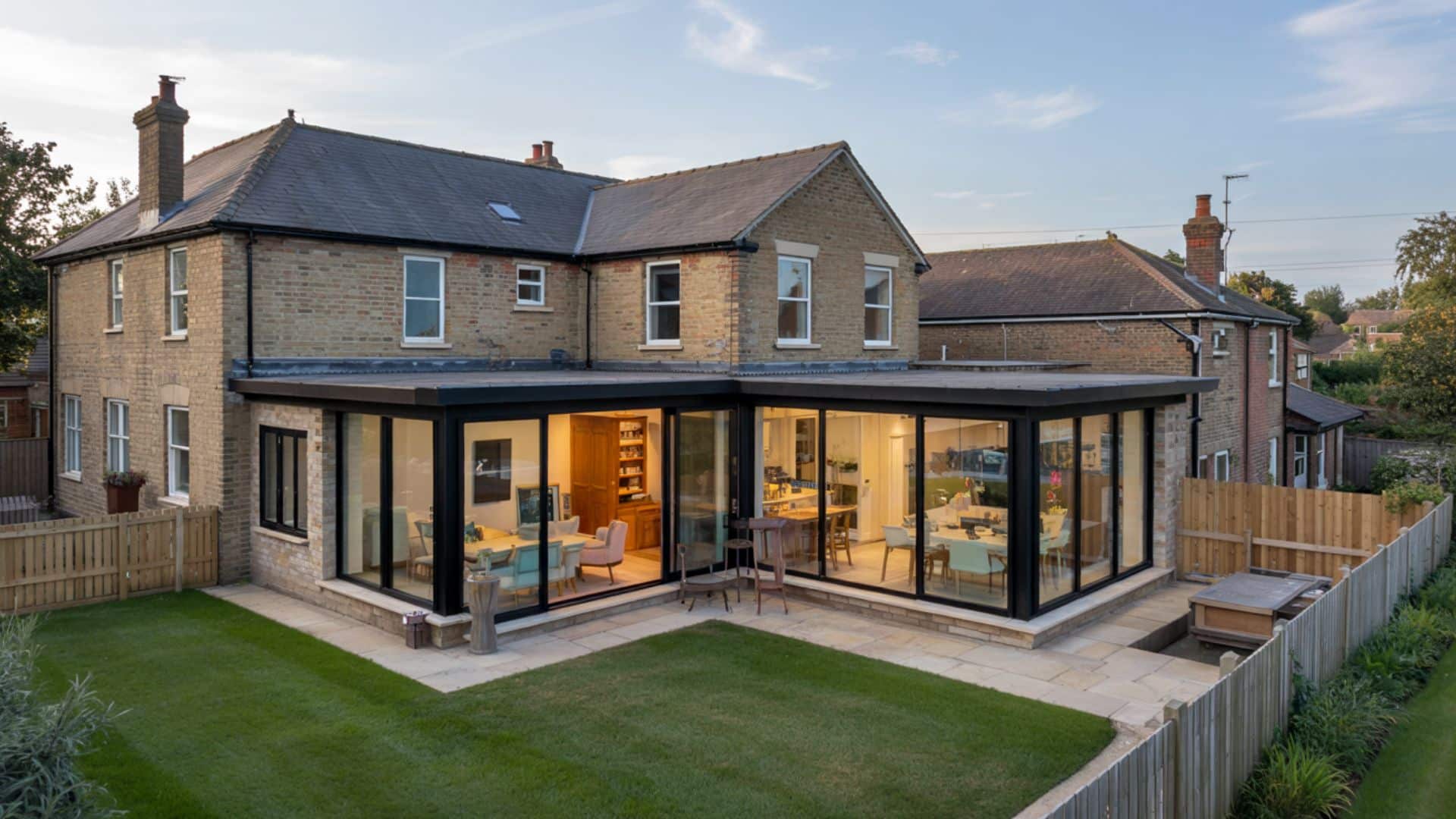
A small wraparound extension extends both the side and the back, creating an open-plan living space.
This option maximizes floor area while maintaining garden access. It’s ideal if you want to fully modernize your ground floor layout.
| Item | Low Range | Mid Range | High Range |
|---|---|---|---|
| Wraparound Extension | $18,000–$25,000 | $25,000–$40,000 | $40,000–$65,000 |
4. Matching Materials and Rooflines
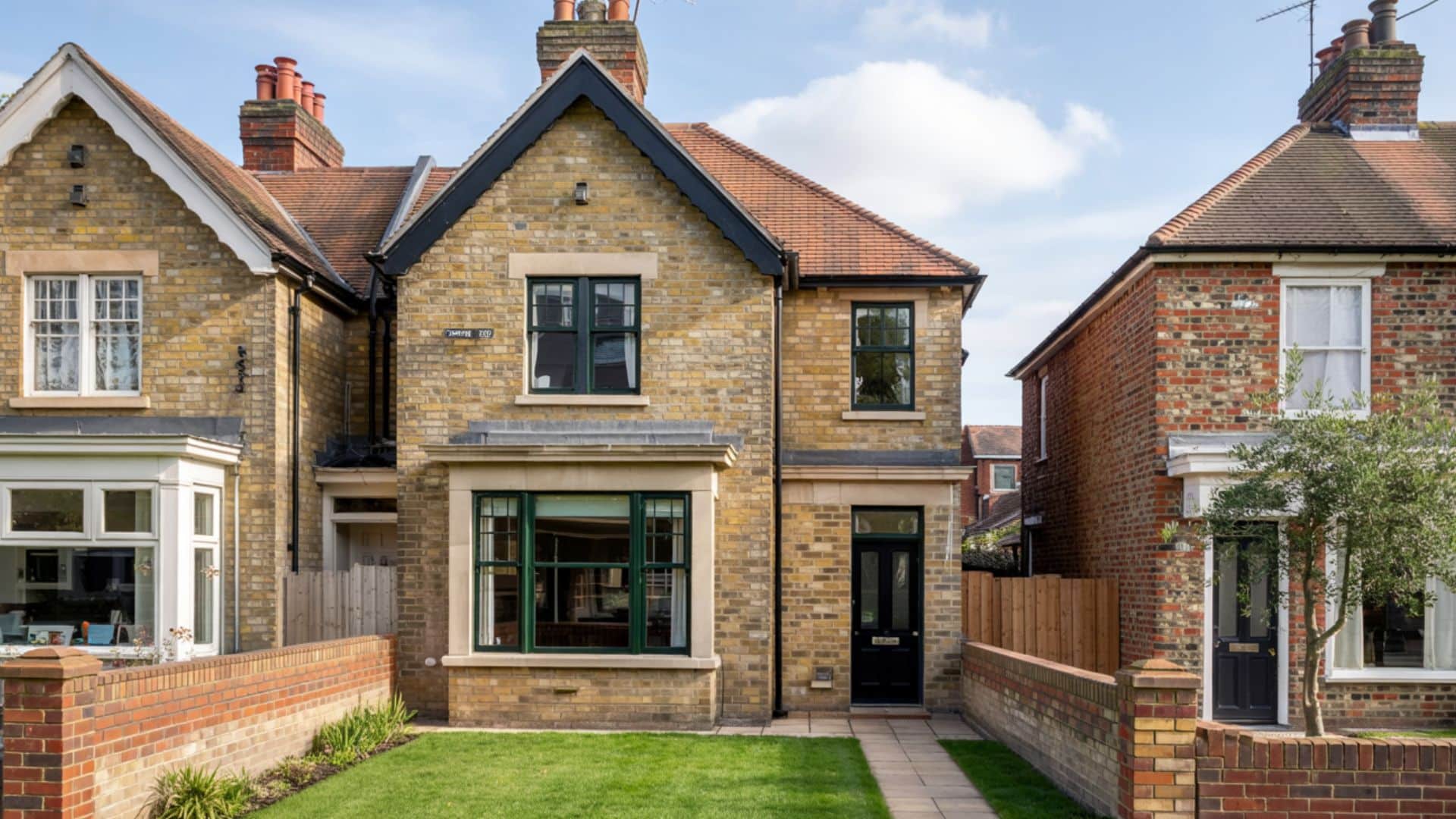
Matching tiles, bricks, and roof shapes helps your extension blend with the original house.
This approach maintains curb appeal and can help with planning permission. Choose materials that age in a similar way to your existing exterior.
| Item | Low Range | Mid Range | High Range |
|---|---|---|---|
| Material Matching | $1,000–$2,000 | $2,000–$4,000 | $4,000–$7,000 |
5. Brightening Narrow Semi-Detached Spaces
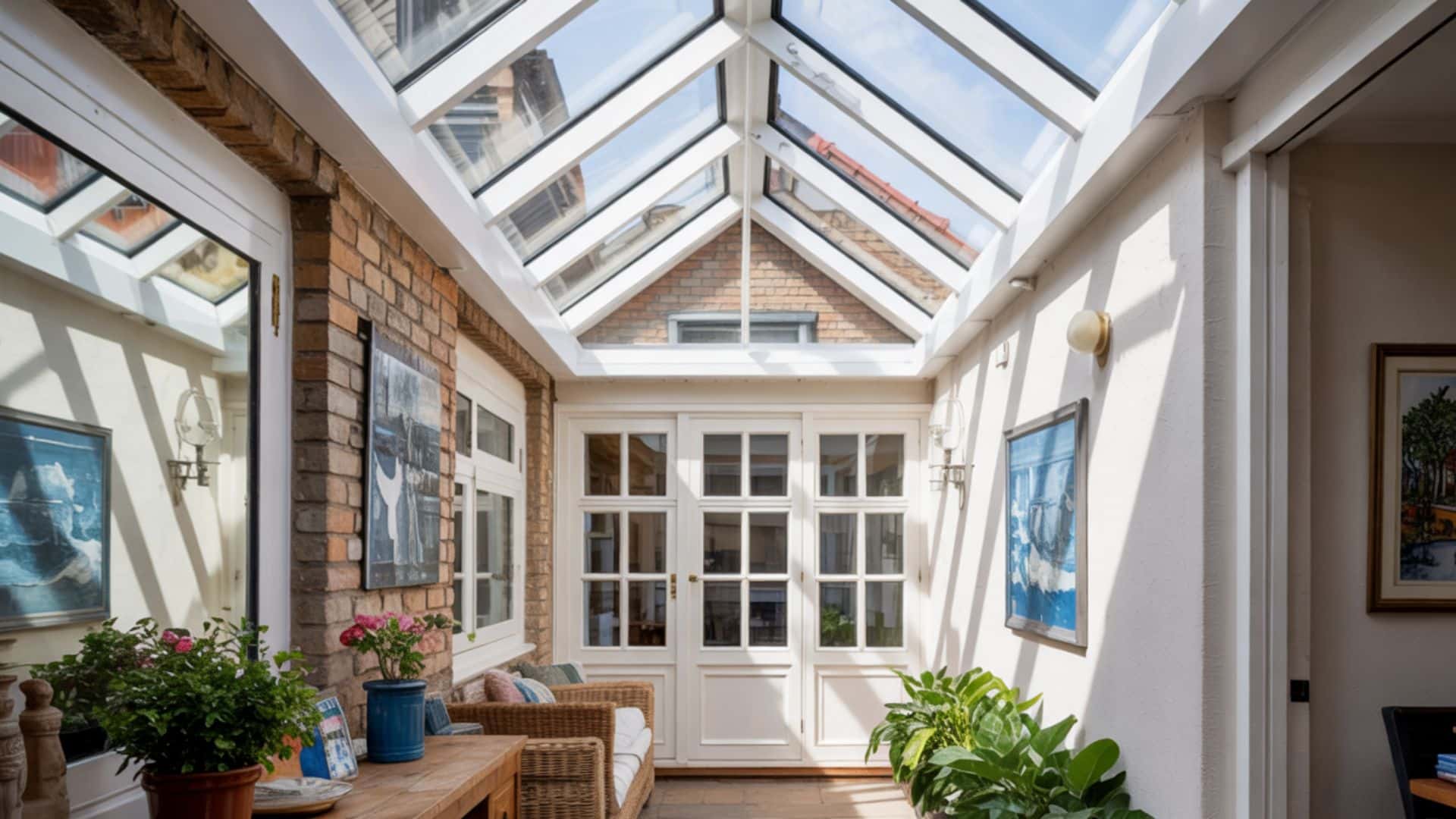
Skylights, roof lanterns, or slim windows keep narrow side additions bright and inviting. Without these features, side extensions can feel dark and cramped.
Applying glazing to the roof area has the most significant impact in confined spaces.
| Item | Low Range | Mid Range | High Range |
|---|---|---|---|
| Natural Lighting Features | $2,000–$4,000 | $4,000–$7,000 | $7,000–$12,000 |
6. Side Utility or Boot Room
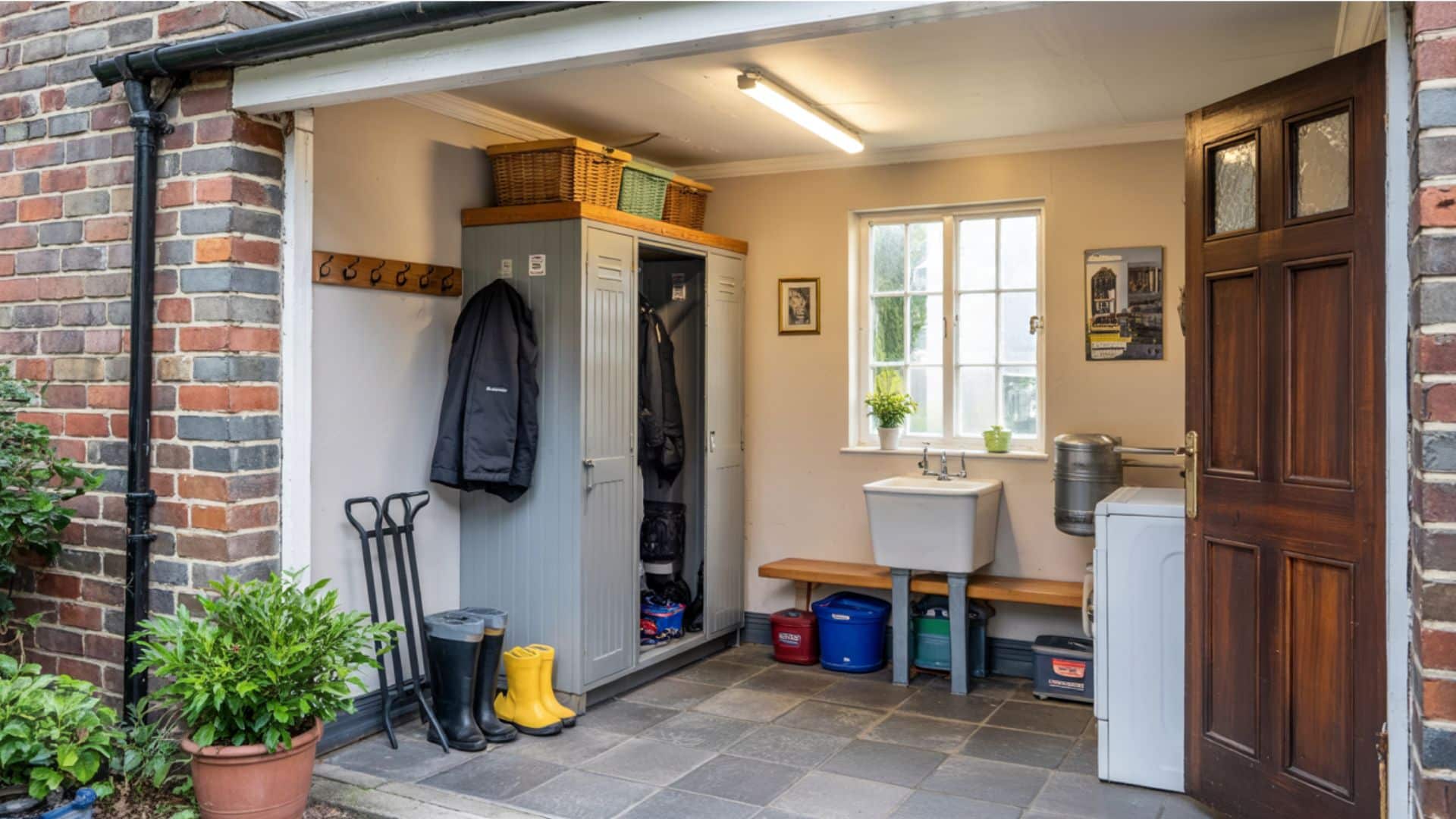
Most semi-detached homes have long side alleys that are ideal for a practical laundry, boot room, or pantry.
This keeps messy activities away from the main living areas. It also provides direct access from the driveway or garden path.
| Item | Low Range | Mid Range | High Range |
|---|---|---|---|
| Side Utility Room | $5,000–$7,000 | $7,000–$12,000 | $12,000–$18,000 |
7. Two-Storey Side Extension
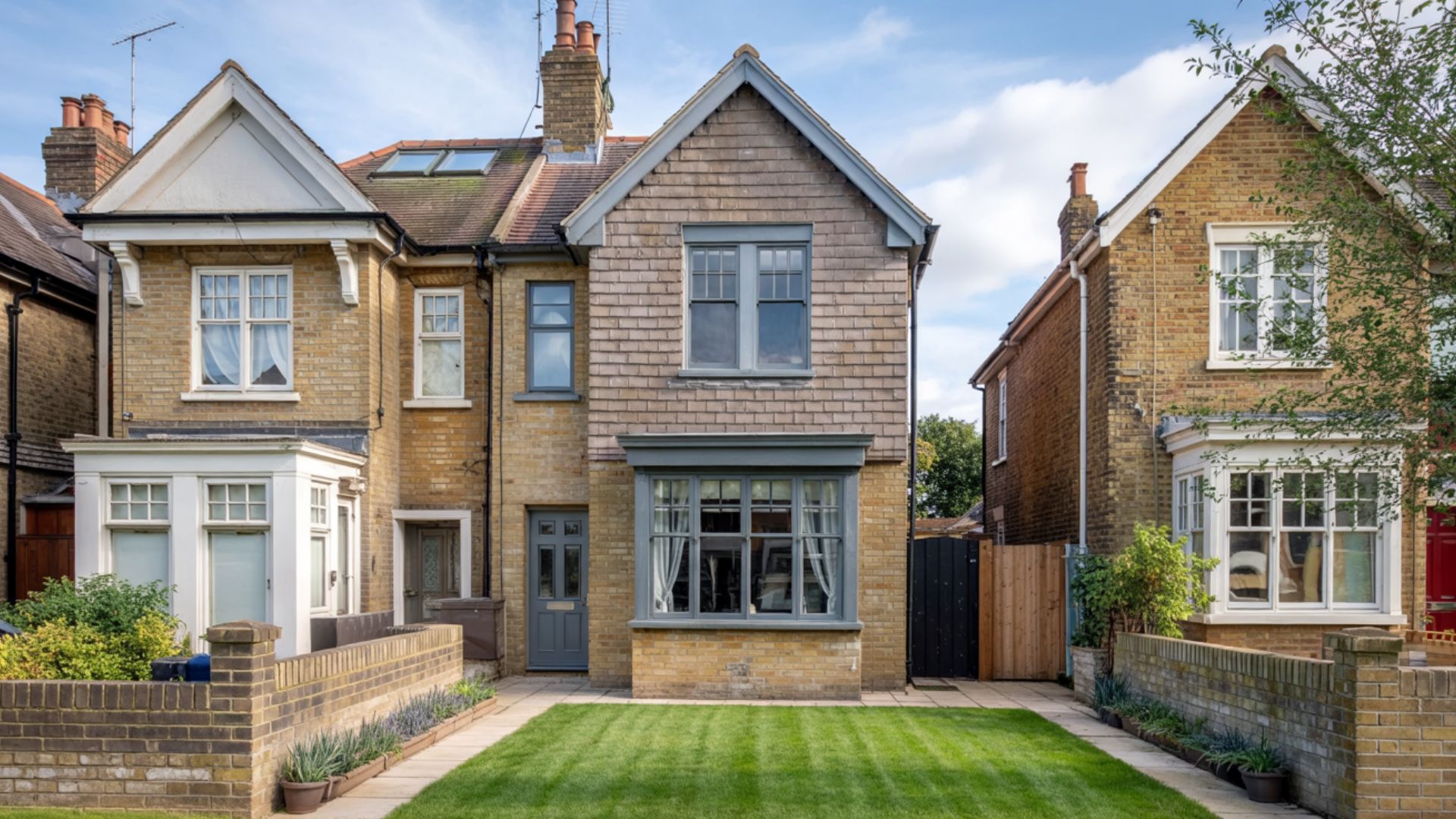
If zoning allows, a two-story addition adds significant value by providing a ground-floor room and an additional bedroom or office above.
Check your local planning rules first, as some areas have restrictions on building right up to the boundary line.
| Item | Low Range | Mid Range | High Range |
|---|---|---|---|
| Two-Storey Extension | $35,000–$50,000 | $50,000–$80,000 | $80,000–$120,000 |
Cost and Budgeting Guide for Small Side Extensions
Before you start planning fixtures and finishes, understand what a small side extension typically costs. This helps you budget efficiently and avoid surprises during construction.
Typical Pricing Overview
In the USA, you can usually expect side extensions to cost around the following amounts:
- Basic builds: $150–$250 per sq ft
- Mid-range projects: $250–$350 per sq ft
- High-end extensions: $350+ per sq ft
Semi-detached homes may cost slightly more due to access limitations or party wall engineering work.
Smart Budgeting Tips
To keep your project affordable without cutting corners, focus on smart design choices rather than cheap materials.
In my experience, small changes in your plan can save thousands of dollars.
- Use a simple, single-pitch roof: Cuts labor time and material costs while making waterproofing easier.
- Stick with standard window sizes: Custom windows can double or triple your glazing costs.
- Limit plumbing-heavy rooms: A powder room costs far less than a full shower setup.
- Choose durable mid-range materials: You don’t need premium tiles or countertops for quality results.
- Add light instead of space: Skylights and glazed doors make areas feel bigger without adding expense. square footage
These strategies reduce labor and structural costs without sacrificing style or function.
Mistakes to Avoid With Small Side Extensions
Even a small project can run into problems without planning. Poor choices at the design stage can lead to wasted money, uncomfortable spaces, or layouts that don’t work. Here’s what to avoid.
- Trying to include too many functions in a narrow area
- Blocking natural light with solid walls instead of glazing
- Forgetting to maintain visual continuity with materials and rooflines
- Overlooking the flow of movement between the old rooms and the new addition.
- Cutting corners on insulation, ventilation methods like trickle vents, or drainage
Avoiding these mistakes keeps your extension practical, comfortable, and future-proof. I always tell owners to get professional advice on structural and planning issues early in the process.
Conclusion
These small side extension ideas give you extra room while keeping your outdoor area intact and your spending under control.
Narrow extensions add practical space and boost home value.
The key is choosing the right type for your needs and budget. Whether you need a full kitchen remodel or just extra storage, there’s a side extension that fits.
Semi-detached homes especially benefit from these projects because of that long, unused side gap.
Start by measuring your available space and setting a realistic budget. Get quotes from local builders and check your planning requirements early. Small changes today can convert how your home works for years to come.
Ready to reclaim that wasted side space? Pick the idea that solves your biggest space problem and take the first step.
Frequently Asked Questions
Do I Need a Permit for a Small Side Extension?
Yes, nearly all side additions require a building permit, plus separate electrical, plumbing, or HVAC permits depending on the work involved.
How Long Does a Small Side Extension Take to Build?
Most small, single-room extensions take 8 to 14 weeks to build, though permit approval and material lead times can add several more weeks.
Does a Side Extension Add Resale Value?
Home additions typically return 24 percent to 35 percent of their cost at resale, according to industry cost-versus-value data, though results vary by location.