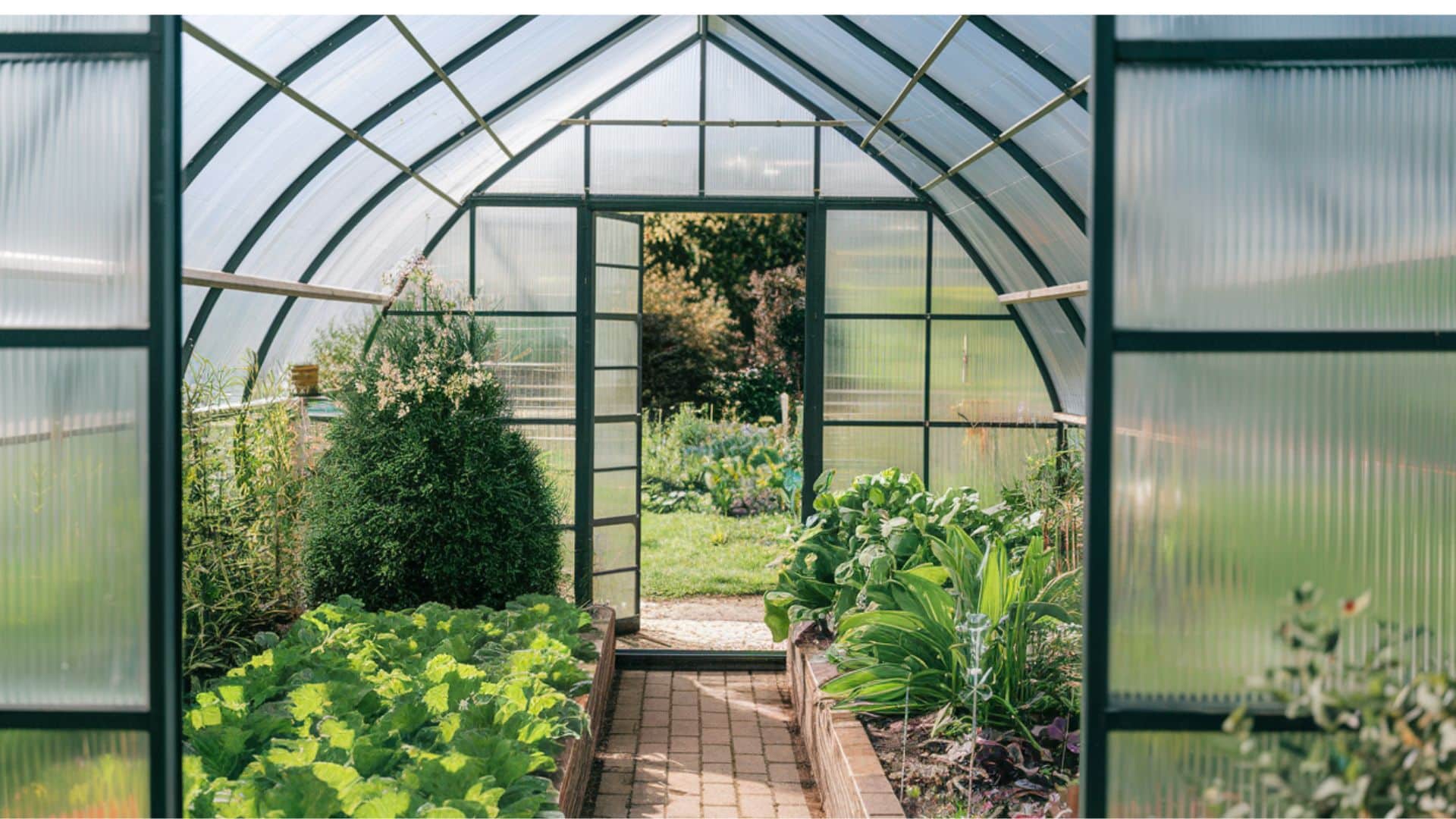

Are you tired of losing crops to unpredictable weather? Many gardeners face this frustrating problem every growing season.
A polytunnel is a protective structure made from clear plastic or polythene stretched over metal hoops. It creates a controlled environment that keeps your plants warm and dry.
The clear covering allows sunlight to pass through while blocking harsh weather conditions.
Gardeners worldwide choose polytunnels for three main reasons. Third, they enhance crop yields by providing stable growing conditions.
In this guide, you’ll learn exactly which vegetables thrive in polytunnels. By the end, you’ll know how to choose the right vegetables for your polytunnel and grow them successfully year-round.
The Secret to Year-Round Harvests in a Polytunnel
Many gardeners believe polytunnels are only effective in summer. This common mistake leaves valuable growing time unused. The real secret lies in understanding seasonal cycles and choosing the right crops for each time of year.
Start warm-season crops, such as tomatoes, in February while cool-weather vegetables finish their winter harvest.
Summer brings peak production, but create microclimates using shade cloth for lettuce while keeping tomatoes in full sun.
Autumn extends harvests when outdoor gardens shut down – continue picking tomatoes into October while planting winter crops.
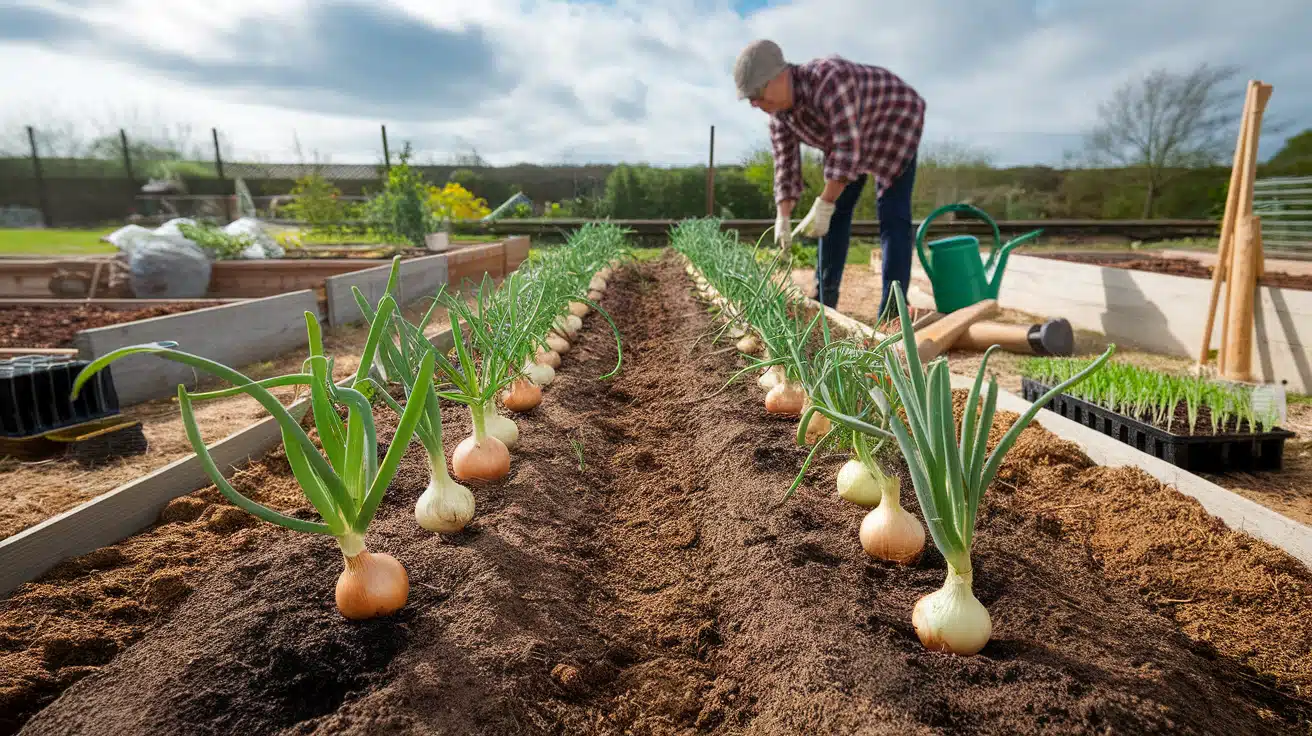
Winter growing surprises most beginners. Hardy vegetables like winter lettuce and spinach grow slowly but provide fresh food when shop prices peak. Succession planting, done every 2-3 weeks, prevents gluts and gaps in your harvest.
The key to success lies in treating your polytunnel as a year-round food factory, not a summer greenhouse. Master this approach, and fresh vegetables become available every month.
Top 10 Vegetables for Polytunnels
Choosing the right crops makes all the difference in achieving success with a polytunnel. These ten vegetables have proven themselves as top performers under cover.
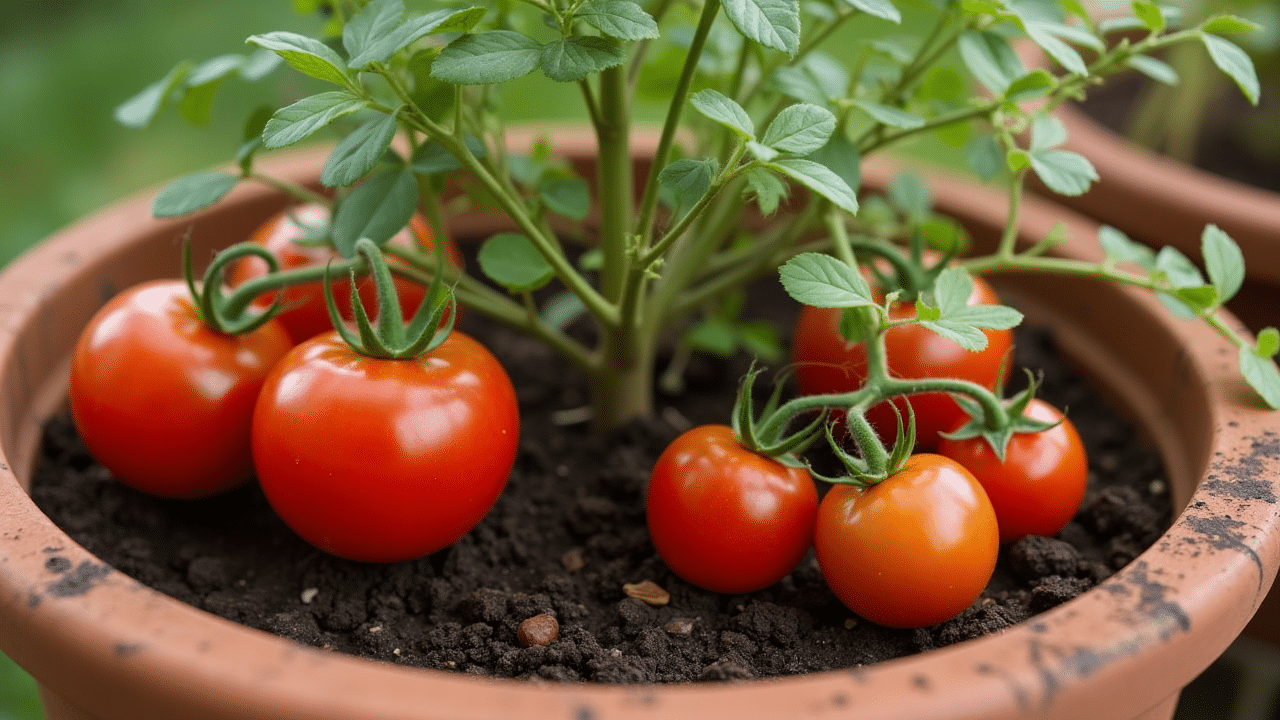
1. Tomatoes
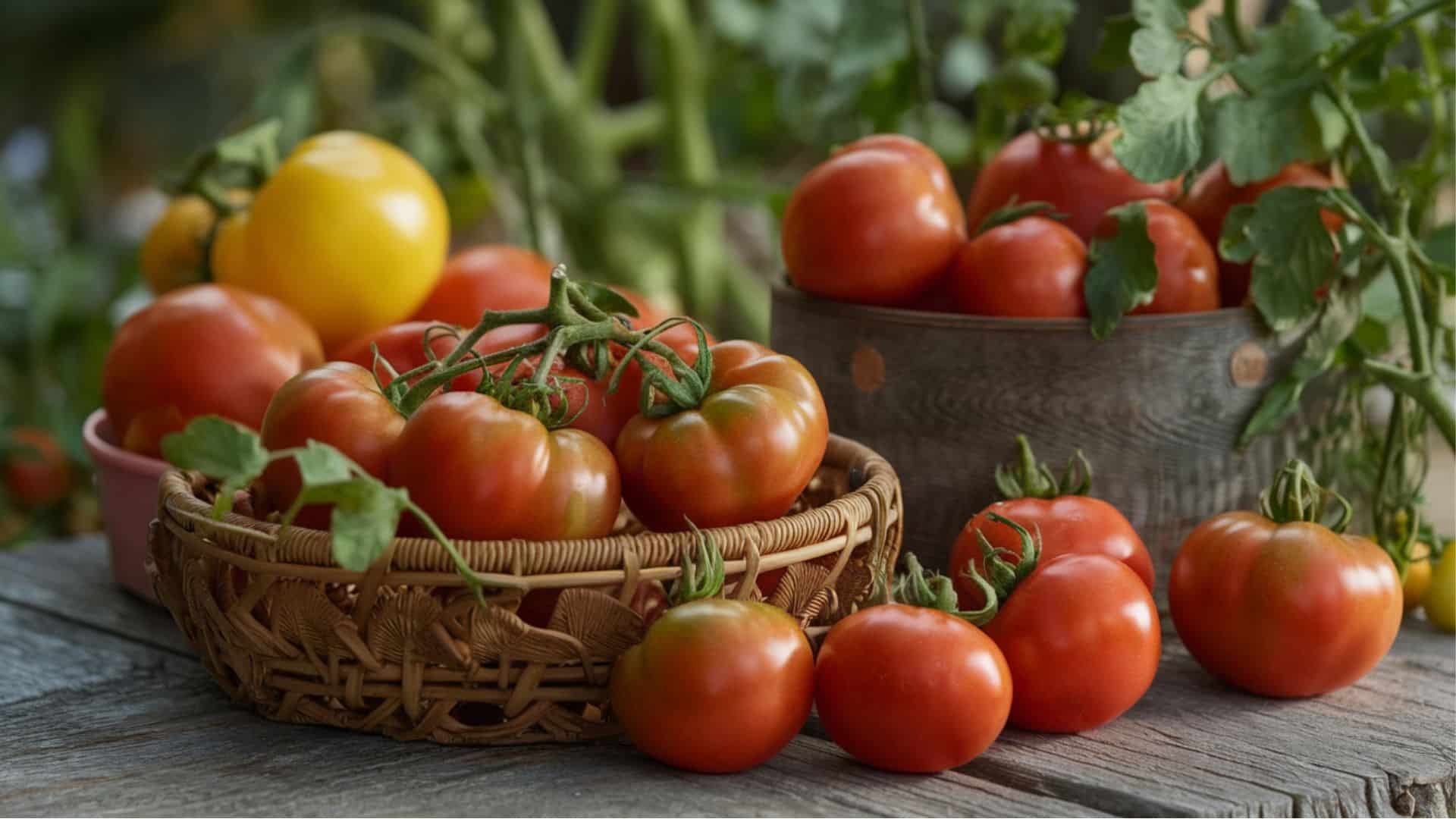
The king of polytunnel crops, tomatoes love consistent warmth and protection from rain. They’re perfect for both beginners and experienced growers.
Why they work: Heat-loving tomatoes thrive in the warmth of a polytunnel. The controlled environment protects them from blight and extends harvesting into October.
Growing tips:
- Start seeds in February for early crops
- Support plants with strong canes or strings
- Remove side shoots weekly for better fruit development
- Water the soil to prevent leaf diseases
Expected yield: Up to 10kg per plant in a full season
2. Cucumbers
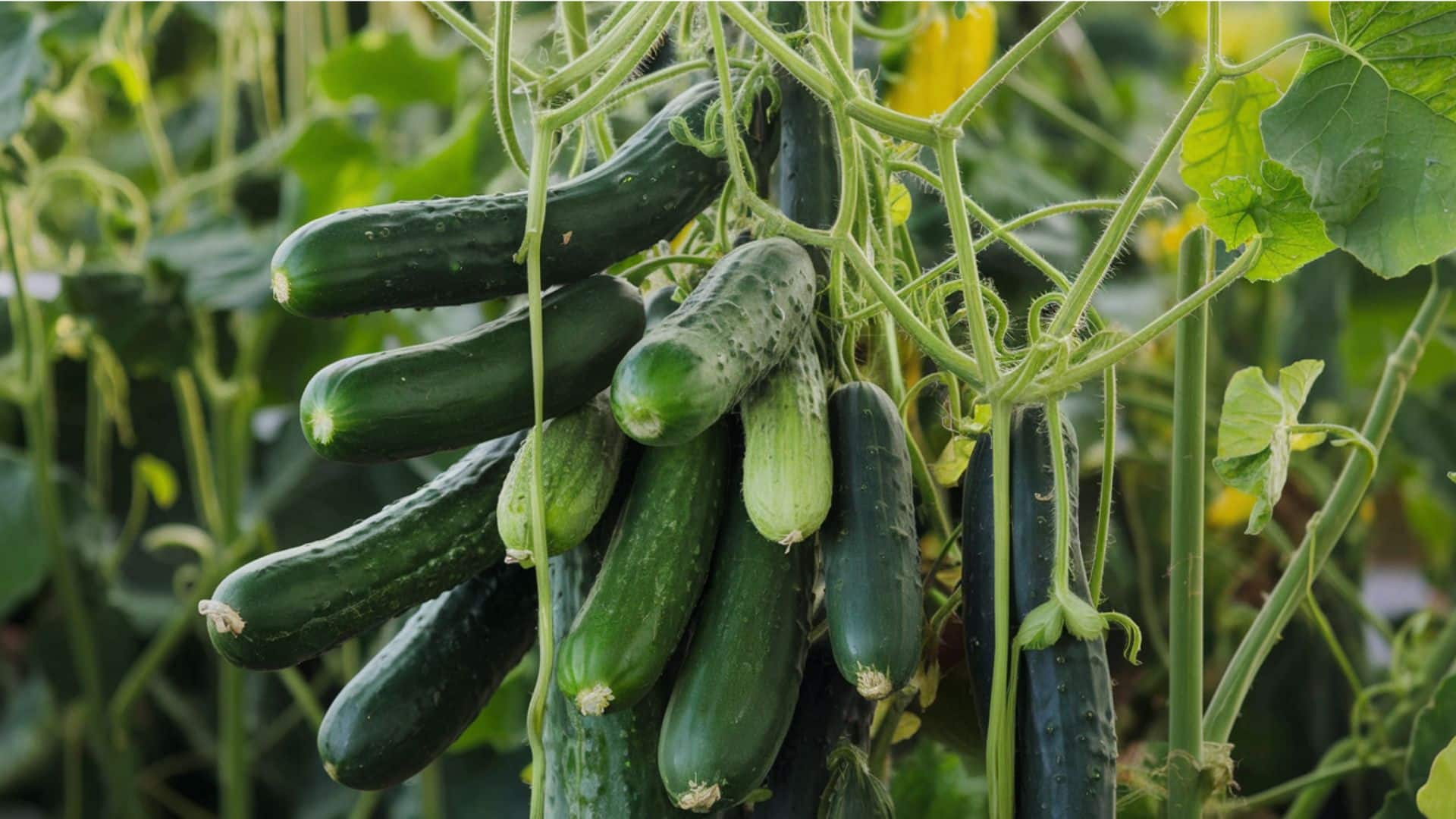
These climbing vegetables make excellent use of vertical space while producing abundant harvests throughout summer.
Why they work: These moisture-loving plants flourish in the humid polytunnel environment. They produce continuously from June to September.
Growing tips:
- Train up vertical supports to save space
- Pick fruits young to encourage more production
- Maintain soil moisture, but avoid waterlogged roots
- Provide good ventilation to prevent powdery mildew
Expected yield: 15-20 cucumbers per plant
3. Peppers & Chillies

From sweet bell peppers to fiery chillies, these colorful crops add flavor and variety to your polytunnel harvest.
Why they work: Both sweet and hot peppers need consistent warmth to develop properly. Polytunnels provide ideal conditions for fruit ripening.
Growing tips:
- Start from seed in a heated propagator (February-March)
- Support heavy fruiting branches with canes
- Allow peppers to ripen on the plant for full flavor
- Harvest regularly to encourage continued production
Expected yield: 8-12 peppers per plant
4. Aubergines (Eggplants)
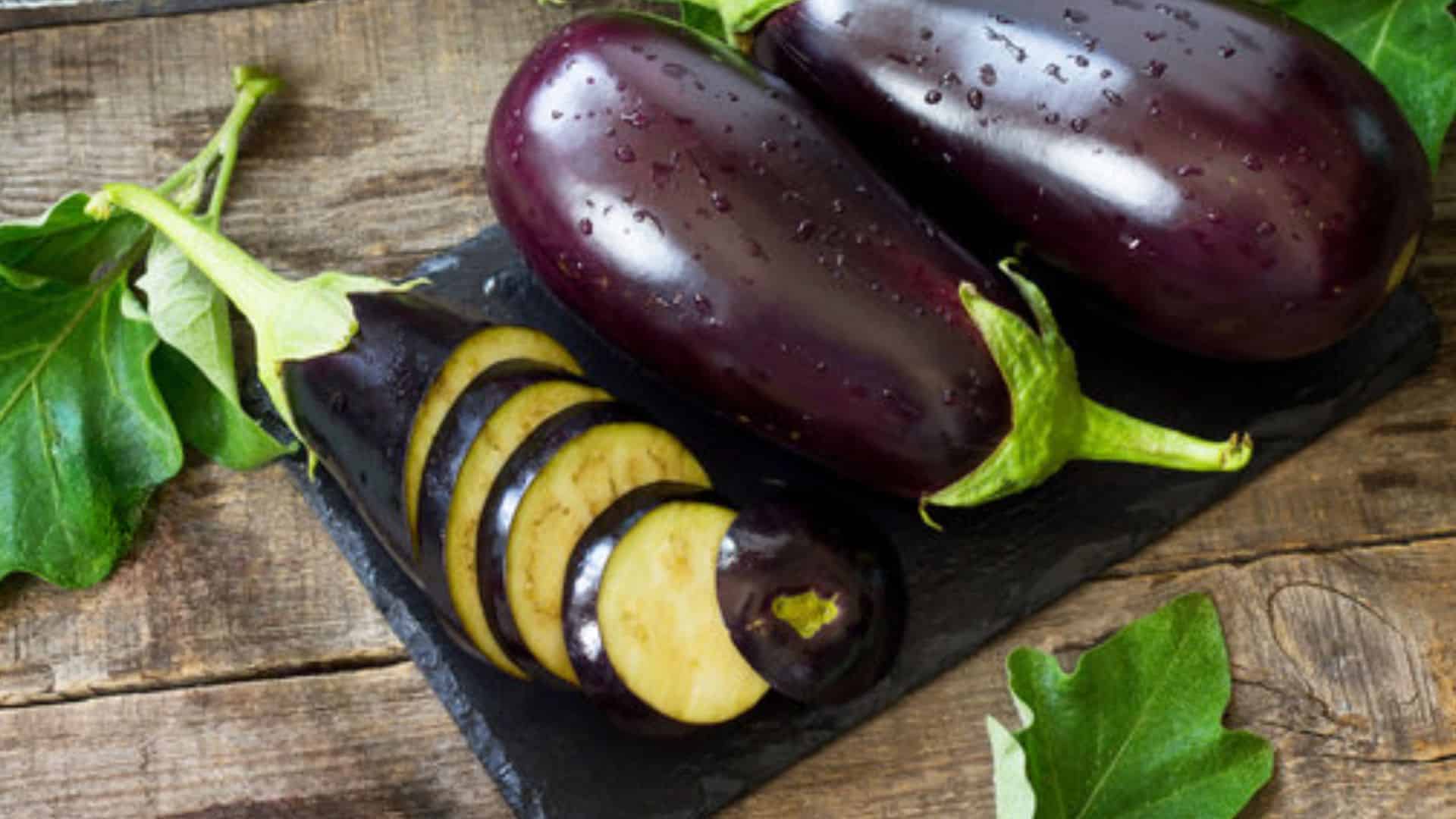
These glossy purple vegetables bring Mediterranean flavors to your kitchen with proper care in a polytunnel.
Why they work: These Mediterranean vegetables struggle outdoors in cooler climates. Polytunnels provide the steady heat they need.
Growing tips:
- Need temperatures above 15°C consistently
- Pinch out growing tips when plants reach 30cm
- Support heavy fruits with individual ties
- Harvest when skin is glossy and firm
Expected yield: 4-6 large fruits
5. Courgettes (Zucchini)
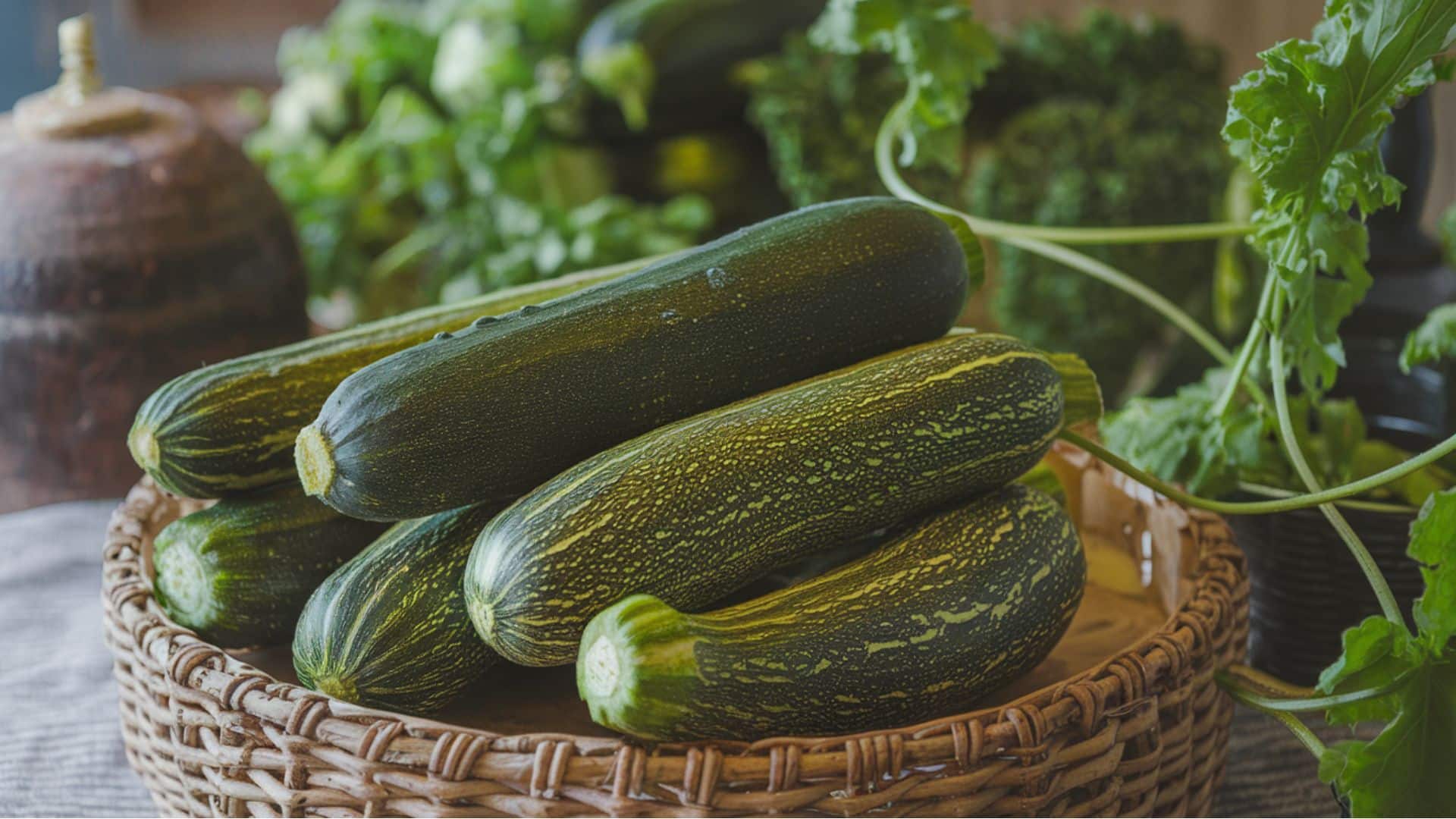
These prolific plants can sustain a family with just one or two plants, producing tender fruits throughout the summer.
Why they work: Fast-growing courgettes love the warm, stable conditions in polytunnels. They produce continuously when harvested regularly.
Growing tips:
- Sow directly in May or start indoors in April
- Allow 1 square meter per plant for proper growth
- Harvest when the fruits are 10-15cm long for the best taste
- Pick daily during peak season to maintain production
Expected yield: 15-20 courgettes per plant
6. Carrots
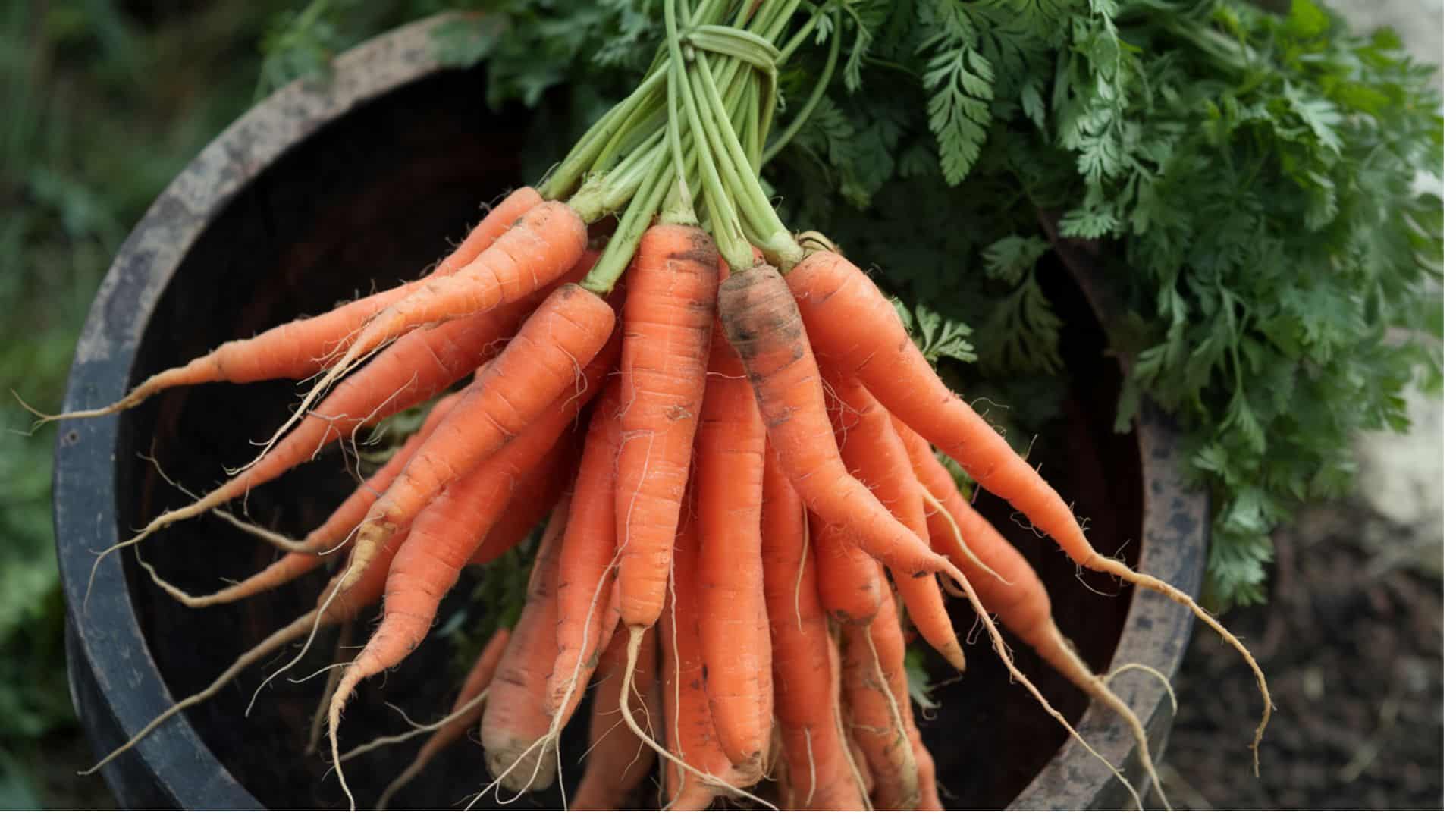
Protected carrots grow straighter and sweeter than their outdoor counterparts, with fewer pest problems too.
Why they work: Polytunnels provide loose, warm soil conditions that encourage straight root development. Protection from carrot fly is an added bonus.
Growing tips:
- Sow directly from March through August
- Use deep containers or raised beds for long varieties
- Thin seedlings to 5cm apart for proper development
- Water consistently to prevent splitting
Expected yield: 2-3kg per square meter
7. Radishes
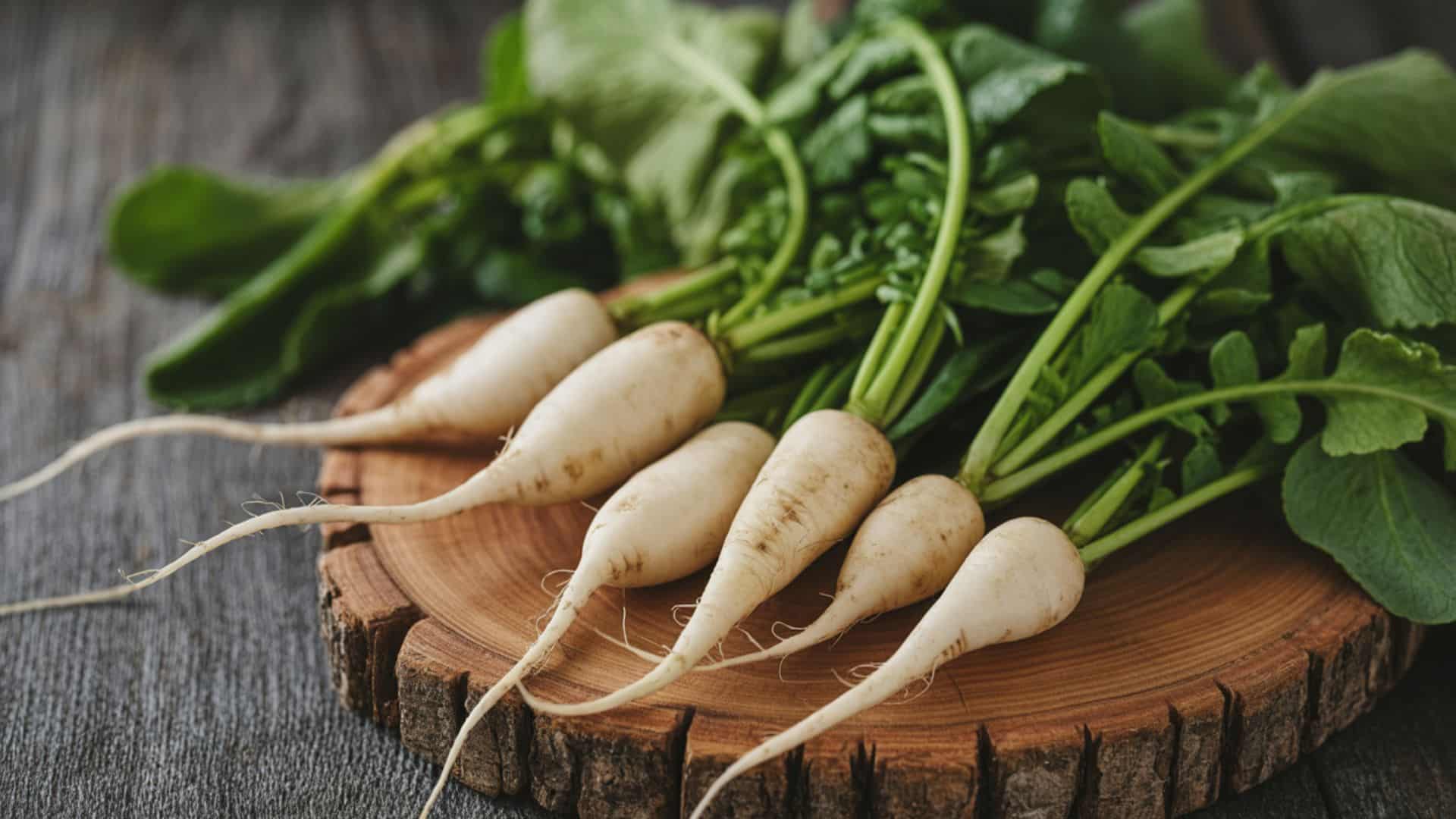
The speediest crop in your polytunnel, radishes provide quick satisfaction and can fill gaps between slower-growing plants.
Why they work: Quick-growing radishes mature in just 4-6 weeks. Perfect for succession planting and maximizing every inch of space.
Growing tips:
- Sow every 2 weeks for a continuous harvest
- Ready to harvest in 25-35 days from sowing
- Use as a catch crop between larger vegetables
- Choose smaller varieties for container growing
Expected yield: 50-60 radishes per square meter
8. Beetroots
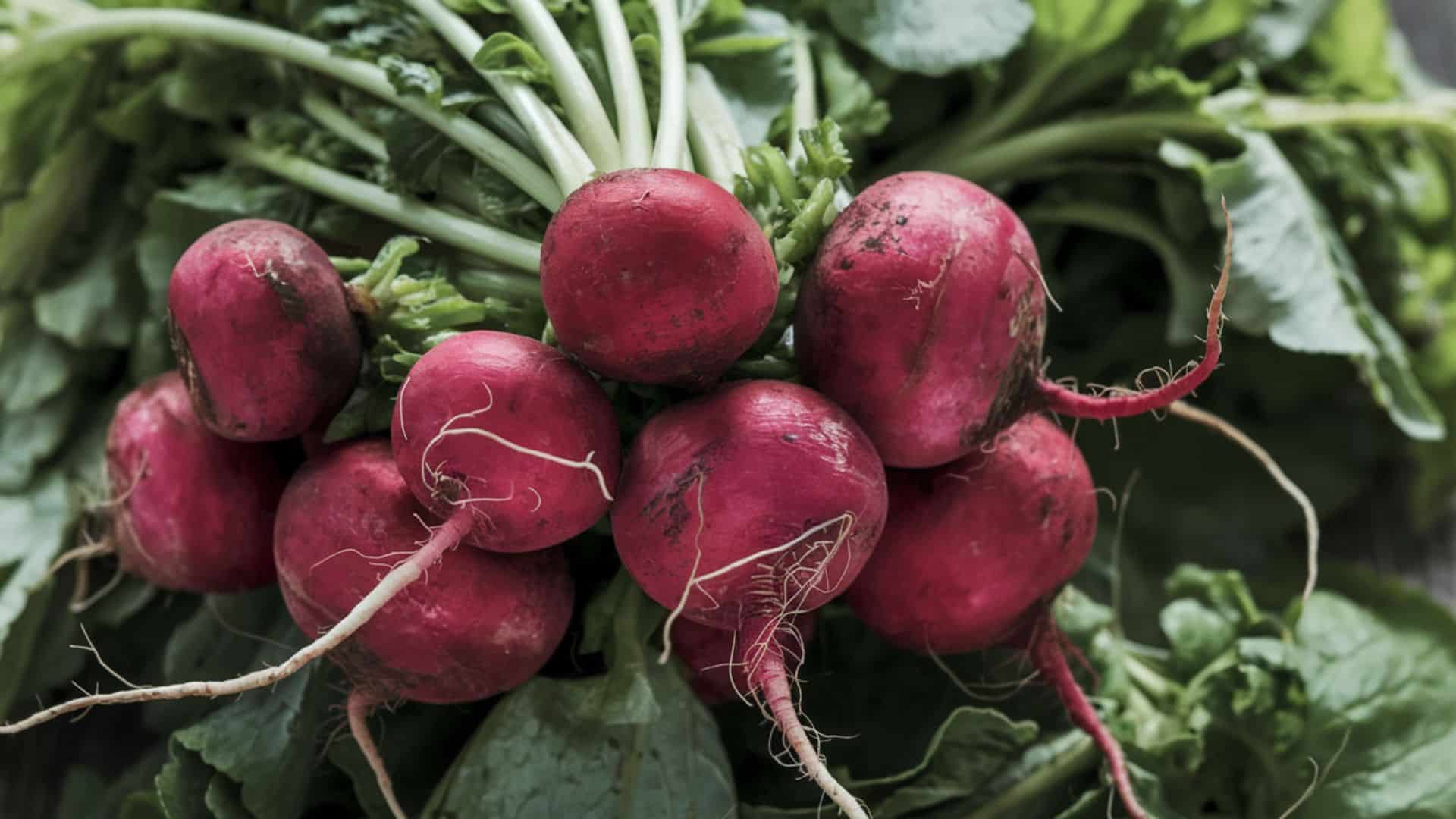
These colorful roots offer both tasty roots and nutritious leaves, making them twice as valuable in limited space.
Why they work: Beetroots are reliable performers that tolerate various conditions. Both roots and leaves are edible, maximizing harvest value.
Growing tips:
- Sow from March to July for an extended harvest
- Thin seedlings to 10cm apart
- Harvest baby beets at golf ball size for tender texture
- Use thinned seedlings as microgreens
Expected yield: 3-4kg per square meter
9. Lettuce & Salad Leaves
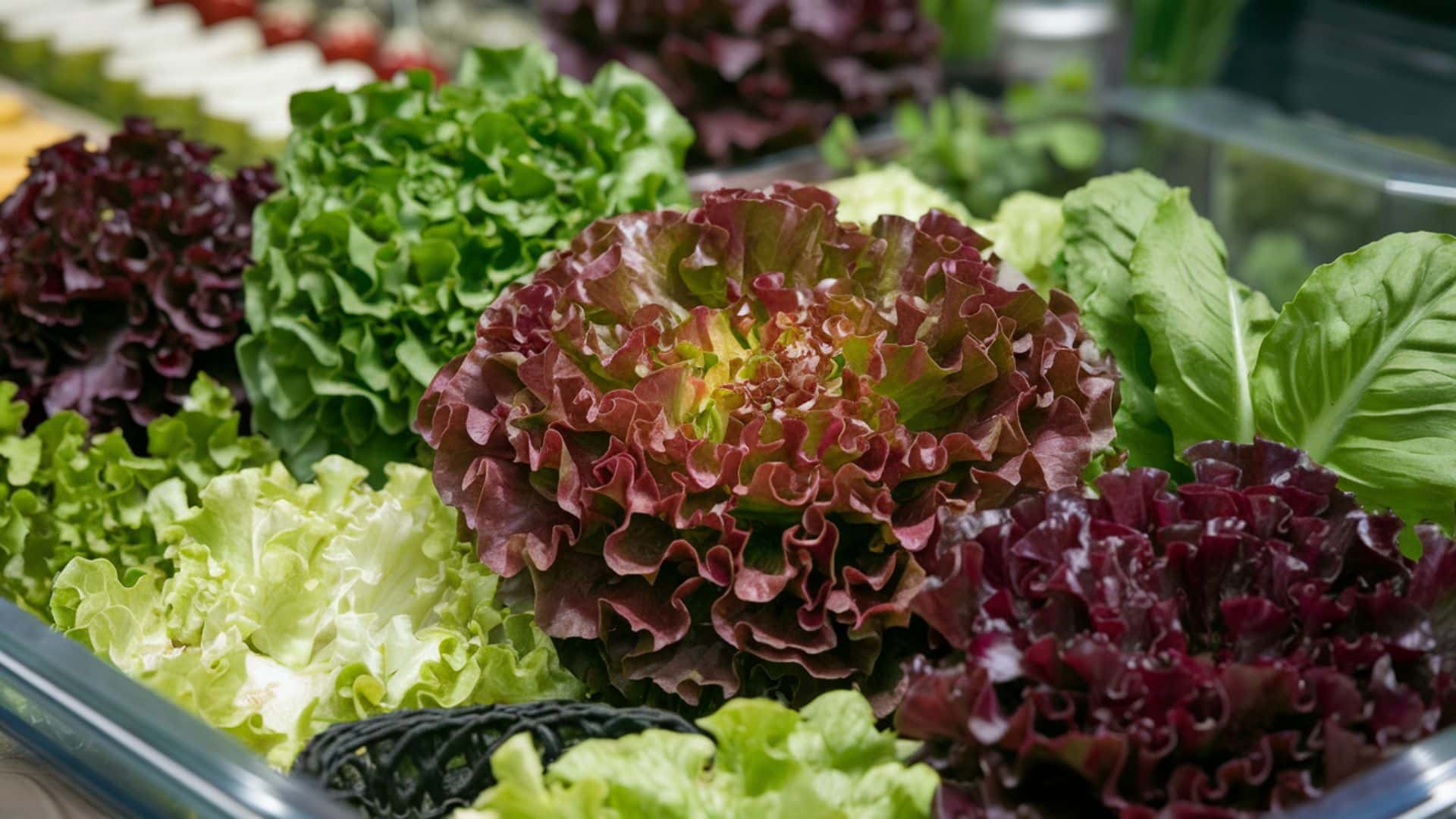
Fresh salads year-round become possible with protected growing, even during the winter months.
Why they work: Salad crops grow quickly in cool conditions and can be harvested multiple times. Polytunnels extend the season significantly.
Growing tips:
- Sow little and often for a continuous supply
- Cut-and-come-again varieties provide multiple harvests
- Grow different types for varied flavors and textures
- Use succession planting every 2-3 weeks
Expected yield: 8-10 heads per square meter
10. Spinach
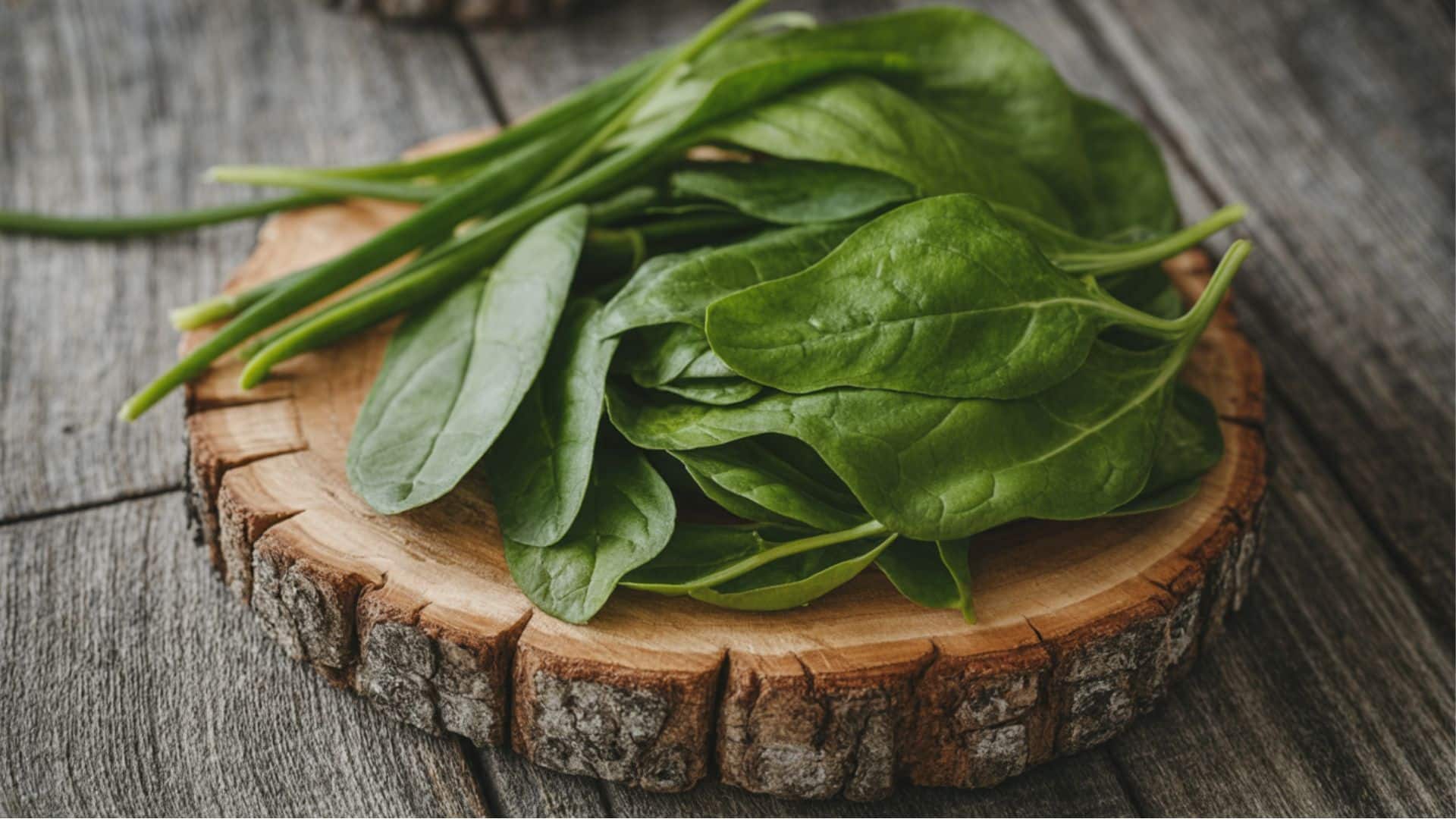
This nutritious leafy green thrives in cooler polytunnel conditions, providing fresh greens when outdoor crops struggle.
Why they work: Spinach prefers cool weather and can bolt in heat. Polytunnels provide perfect spring and autumn growing conditions.
Growing tips:
- Best grown in spring and autumn
- Choose bolt-resistant varieties for summer growing
- Harvest outer leaves first to encourage continued growth
- Provide shade during hot summer months
Expected yield: 2-3kg per square meter
11. French Beans
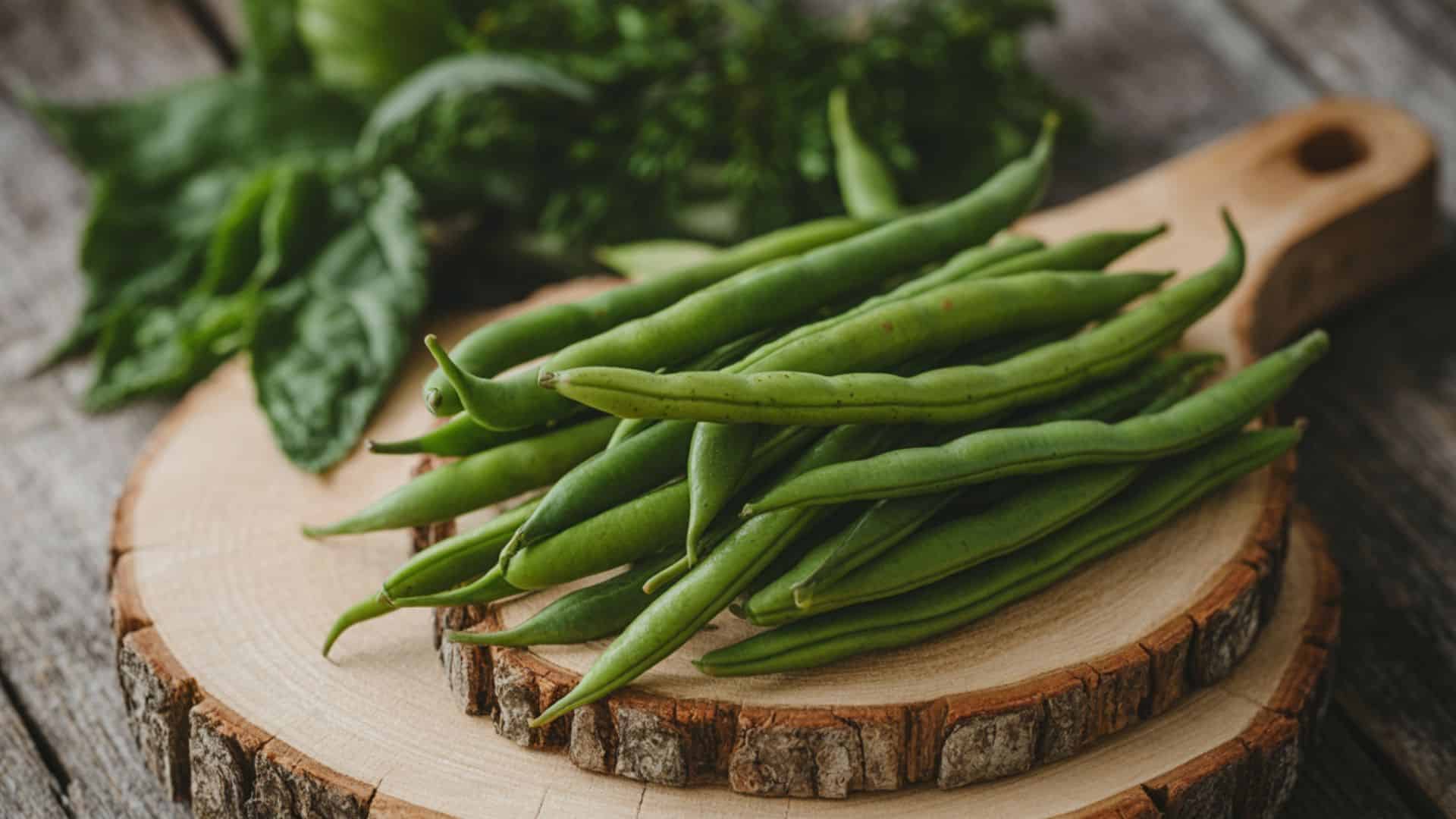
These climbing vegetables make excellent use of vertical space while providing tender, flavorful pods throughout the growing season.
Why they work: French beans need warmth to germinate and grow well, making polytunnels perfect for extending their productive period from May to October.
Growing tips:
- Wait until the soil temperature reaches 15°C before sowing
- Provide tall supports (2m minimum) for climbing varieties
- Pick pods regularly when young and tender
- Water consistently during flowering and pod formation
Expected yield: 2-3kg per plant over the season
Benefits of Using a Polytunnel To Grow Plants
Polytunnels transform how you grow vegetables. They create ideal conditions that boost both plant health and harvest quality.
- Extended Growing Season – Start planting in February, harvest until November
- Weather Protection – Shield crops from frost, heavy rain, and strong winds
- Higher Yields – Stable conditions produce 30-50% more vegetables
- Pest Control – Reduce damage from birds, slugs, and garden pests
- Temperature Control – Maintain optimal growing temperatures year-round
- Humidity Management – Create perfect moisture levels for plant growth
- Crop Variety – Grow heat-loving plants that struggle outdoors
- Water Efficiency – Reduce water loss through controlled irrigation
- Soil Protection – Prevent nutrient washing away during heavy rainfall
- Year-Round Fresh Food – Enjoy homegrown vegetables in the winter months
Companion Plants for Better Growth In a Polytunnel
Smart companion planting maximizes space and improves plant health. Some plants naturally help each other grow stronger and produce better harvests.
- Tomatoes + Basil – Basil repels aphids and improves tomato flavor
- Cucumbers + Nasturtiums – Nasturtiums trap aphids and cucumber beetles
- Lettuce + Parsley – Parsley provides a natural pest deterrent for leafy greens
- Peppers + Marigolds – Marigolds keep harmful insects away from peppers
- Spinach + Calendula – Calendula attracts beneficial insects and pollinators
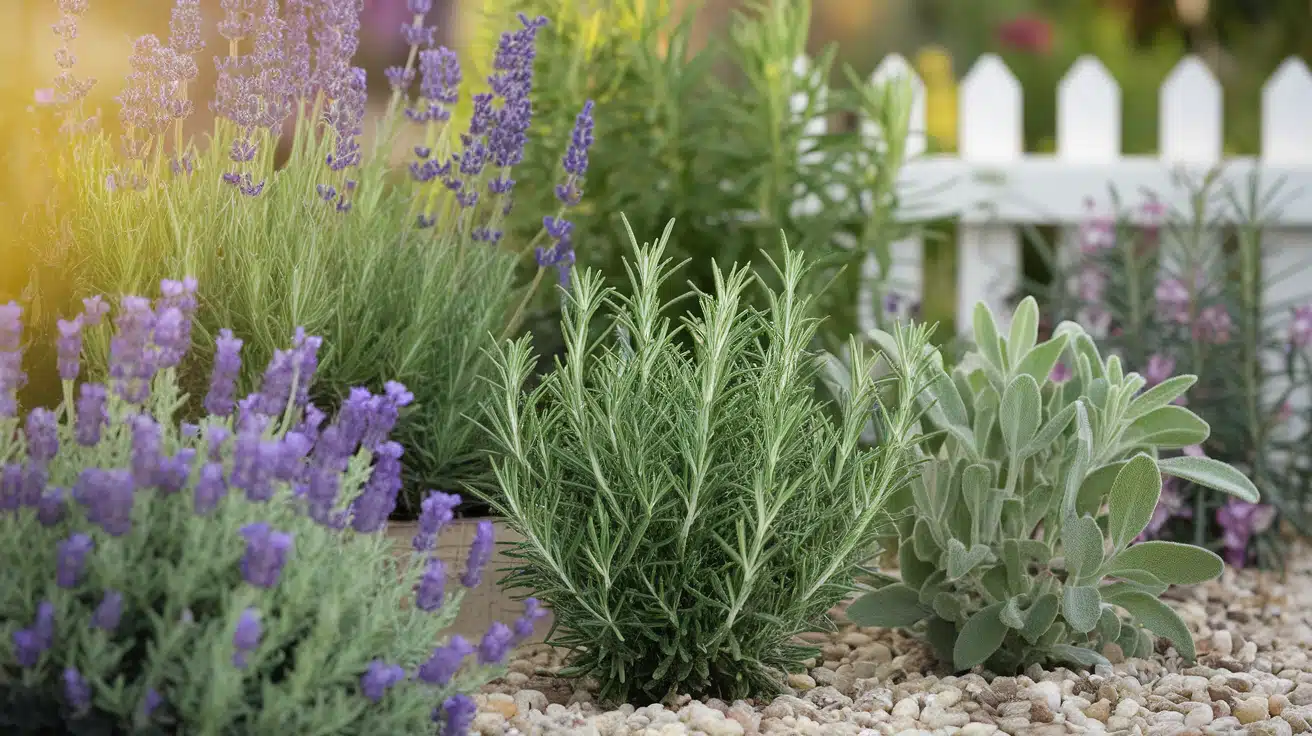
- French Beans + Rosemary – Rosemary deters bean beetles and saves space
- Aubergines + Oregano – Oregano deters pests and saves valuable space
- Beetroot + Chamomile – Chamomile improves beetroot growth and soil health
- Carrots + Chives – Chives improve carrot growth and repel carrot fly
- Courgettes + Borage – Borage attracts pollinators for better fruit set
Companion planting creates a balanced growing environment where plants naturally support each other.
Final Thoughts
Polytunnels open up exciting possibilities for vegetable growers. With the right crops and care, you can enjoy fresh harvests year-round, even as outdoor gardens lie dormant.
The vegetables we covered provide a solid foundation for beginners. Start with proven performers like tomatoes and lettuce, then experiment with new varieties as your confidence grows.
Each season brings opportunities to try different crops and refine your techniques.
Growing in a polytunnel not only boosts yields but also makes gardening more enjoyable and sustainable. You’ll spend less time battling weather problems and more time harvesting fresh food.
Ready to change your growing season? Your future self will thank you when you’re picking fresh tomatoes in October while neighbors’ gardens have finished for the year.