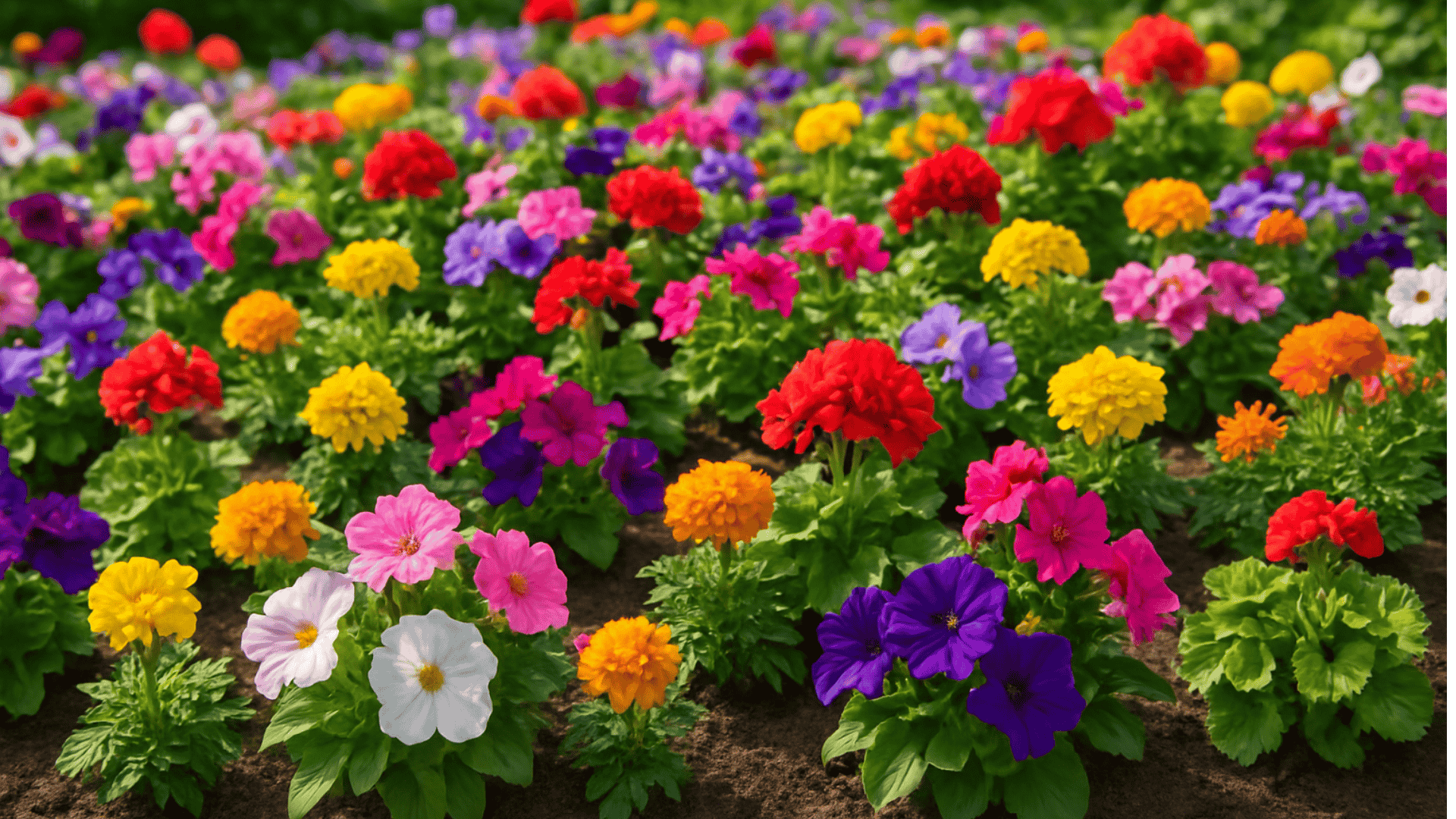

Ever wondered why some gardens explode with color all summer while others fade before the season really begins?
The secret isn’t just the flowers you choose; it’s all about when you plant them.
Bedding plants are the ultimate quick fix for turning plain spaces into vibrant displays, but planting them too early or too late can make the difference between a thriving showpiece and a disappointing patch.
So, when is the perfect moment to get them in the ground? And which summer bedding plants will give you the longest-lasting impact?
In this guide, we’ll reveal the ideal planting window, highlight the must-grow summer favorites like Petunias, Geraniums, and Marigolds, and share tips to keep them blooming all season brilliantly.
What Are Bedding Plants?
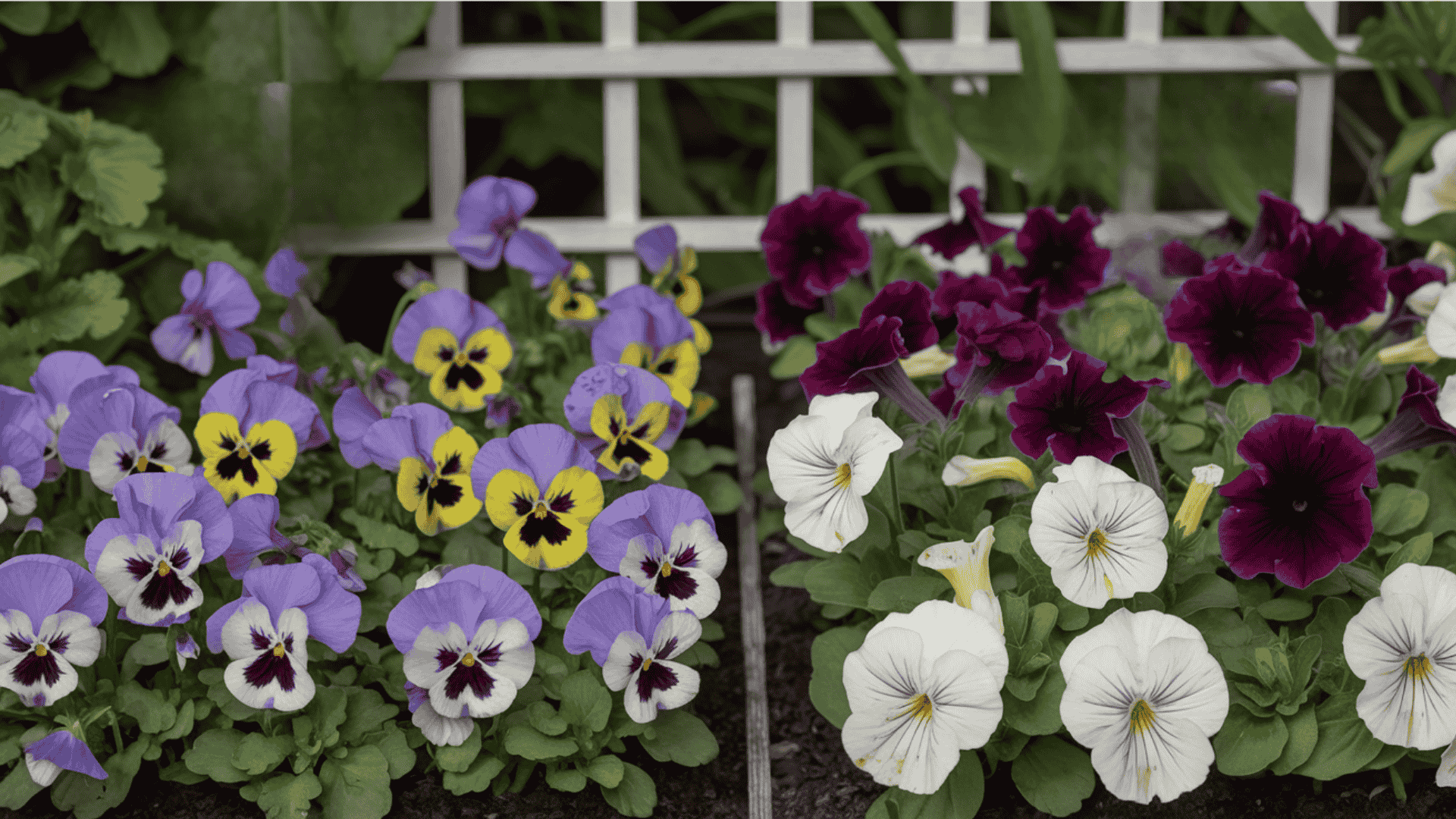
Bedding plants are short-lived, seasonal flowers grown for quick impact. Unlike perennials, they’re not meant to last year after year but instead deliver dazzling color over one growing season.
Gardeners often replace them each spring and summer to refresh outdoor spaces with fresh blooms.
There are two main types:
-
Hardy bedding plants: Tolerate cooler conditions, making them suitable for early planting.
-
Half-hardy bedding plants: Need warmth and cannot survive frost.
Summer bedding plants such as Petunias, Marigolds, and Begonias are especially popular because they bloom continuously with minimal effort.
They work beautifully in containers, window boxes, hanging baskets, or flower beds, offering flexibility for both small gardens and larger landscapes.
Their primary purpose is to add vibrant color and texture, transforming ordinary outdoor areas into cheerful, seasonal displays that refresh the look of your garden year after year.
Best Time to Plant Bedding Plants
The golden rule for planting bedding plants is to wait until after the last frost date in your region. Planting too soon can expose tender summer bedding plants to cold nights, which often leads to stunted growth or even plant loss.
In much of the U.S., the safe planting window begins in late April to early May, but this can vary depending on your USDA hardiness zone.
-
Cooler northern states (Zones 3–5): Wait until mid-to-late May when frost risks have fully passed.
-
Warmer southern states (Zones 8–10): You can plant as early as March or April.
-
Coastal regions: Frost is less of a concern, but soil should still be warm enough for root development.
Always check your local frost-free date before planting to ensure optimal conditions. A quick search of your ZIP code in the USDA Plant Hardiness Zone Map or local extension office resources can provide you with accurate frost guidelines.
If you’re eager to start early, harden plants in a greenhouse, cold frame, or even indoors near bright windows. This allows you to get a head start without risking damage. Proper timing is crucial for strong, healthy plants that bloom continuously throughout the summer.
Top Summer Bedding Plants to Grow
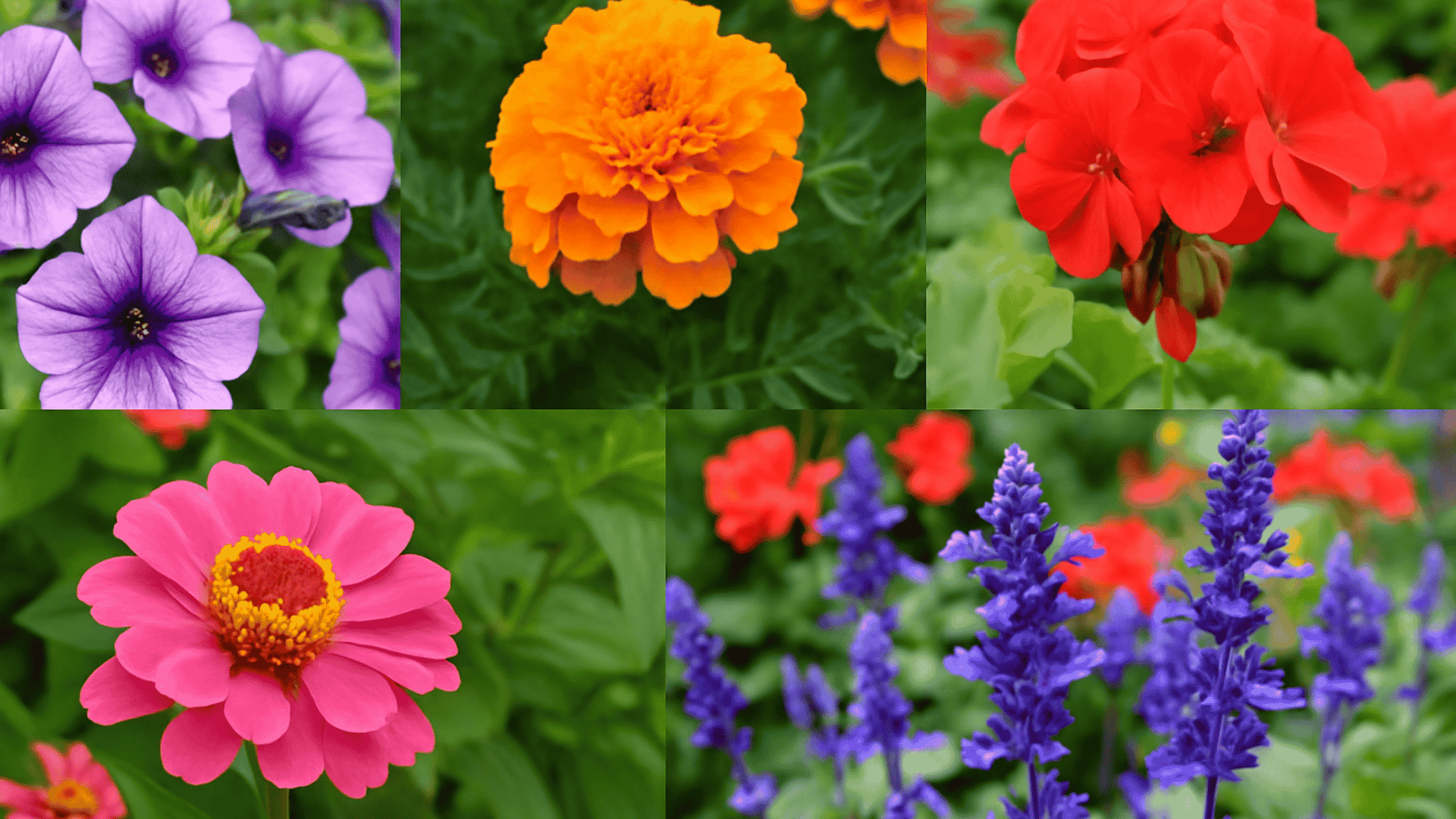
When selecting summer bedding plants, opt for varieties that thrive in warm weather and bloom consistently. Here are five of the best, each offering unique charm and versatility:
-
Petunias – These are a gardener’s favorite for their wide range of colors and nonstop flowers. Perfect for hanging baskets, borders, or window boxes, they add instant cheer and require little upkeep beyond deadheading.
-
Geraniums – Known for their resilience, Geraniums are drought-tolerant and ideal for both containers and garden beds. Their bold clusters of red, pink, or white flowers bloom well into fall, making them a long-season favorite.
-
Begonias – Versatile plants that handle both sun and partial shade. Their lush foliage and bold flowers make them especially useful for shady corners that need brightening. They’re also highly adaptable in pots and baskets.
-
Marigolds – Low-maintenance and cheerful, Marigolds deter pests while adding bright orange and yellow tones to beds. They also attract pollinators, making them a win-win for both beauty and biodiversity.
-
Impatiens – Among the best options for shady areas, Impatiens produce a blanket of color where other flowers might struggle. Their compact growth makes them perfect for edging pathways or filling gaps in mixed beds.
Each of these plants is easy to grow, affordable, and widely available in garden centers across the U.S.
By mixing sun-loving and shade-tolerant options, you can create layered displays that keep your garden colorful from spring until the first autumn frost.
Preparing Your Garden Beds
Before planting, set your bedding plants up for success by preparing the soil and site. Choose locations that match each plant’s sunlight needs.
Petunias and Marigolds thrive in full sun, while Impatiens prefer shade. Ensure the soil is well-drained and enriched with organic matter such as compost or well-rotted manure.
For containers, use a quality potting mix that retains moisture without becoming waterlogged. Raised beds and pots should have drainage holes to prevent root rot.
If your soil is heavy clay, mix in grit or compost to improve its texture. Sandy soils, on the other hand, benefit from the addition of organic matter to retain nutrients.
A well-prepared foundation helps bedding plants establish quickly, leading to stronger roots, more consistent growth, and a healthier display of summer color.
Step-by-Step Success: Your Complete Planting Guide
Planting bedding plants is straightforward, but following these complete steps ensures the best results:
Step 1: Harden off young plants: If purchased early or grown indoors, gradually introduce them to outdoor conditions by placing them outside during the day and bringing them in at night for a week.
Step 2: Check soil temperature: Soil should be at least 60°F (15°C) for optimal root growth. Use a soil thermometer to verify the soil temperature before planting.
Step 3: Space plants correctly: Avoid overcrowding; check labels for spacing guidelines to ensure each plant receives enough airflow and light. Most bedding plants need 6-12 inches between them.
Step 4: Dig proper holes: Make holes slightly wider than the root ball but no deeper. The top of the root ball should sit level with the soil surface.
Step 5: Plant at the right depth: Keep plants at the same soil level as they were in their starter pots or trays to prevent root rot.
Step 6: Backfill and firm gently: Fill around the roots with soil and press lightly to eliminate air pockets without compacting the soil.
Step 7: Water thoroughly: Give plants a good soak after planting to help roots settle and reduce transplant shock.
Step 8: Apply mulch: Add a thin layer around plants to retain soil moisture and suppress weeds, keeping it away from plant stems.
These complete steps reduce transplant shock and help bedding plants adapt quickly. Within weeks, you’ll notice strong growth and vibrant blooms filling your garden.
Caring for Summer Bedding Plants
| Care Task | Frequency | Instructions | Tips |
|---|---|---|---|
| Watering | Daily check for containers, 2-3 times weekly for beds | Water deeply at soil level, avoid wetting leaves | Check soil moisture 1 inch deep; water when dry |
| Feeding | Every 2 weeks | Apply balanced liquid fertilizer (10-10-10) | Dilute to half strength for container plants |
| Deadheading | 2-3 times weekly | Remove spent blooms by pinching or cutting | Cut back to the next bud or leaf junction |
| Pest Control | Weekly inspection | Check for aphids, whiteflies, and spider mites | Spray with water first; use insecticidal soap if needed |
| Pruning | Monthly or as needed | Trim leggy stems to maintain shape | Cut back by 1/3 to encourage bushy growth |
| Mulching | Once at planting, refresh mid-season | Apply a 2-inch layer around plants | Keep mulch away from plant stems to prevent rot |
With consistent care following this schedule, your summer bedding plants will reward you with months of bright, cheerful color that lasts until the first autumn frosts arrive.
Avoiding Garden Disasters: Common Mistakes
Even experienced gardeners can make small mistakes that reduce plant performance. Here are the most common problems and how to avoid them:
- Planting too early before frost risk passes: This leads to weak, damaged, or dead plants when cold snaps occur. Always wait until your area’s average last frost date has passed, and watch weather forecasts for late-season cold warnings.
- Overcrowding plants in beds or containers: When plants are too close together, airflow decreases and humidity increases around leaves. This creates perfect conditions for fungal diseases like powdery mildew. Follow spacing guidelines on plant labels.
- Overwatering, especially in containers: Too much water suffocates roots and causes root rot, which appears as yellowing leaves and stunted growth. Check soil moisture before watering, and ensure all containers have drainage holes.
- Using poorly drained garden beds: Heavy, clay soils that stay wet after rain will suffocate plant roots and stunt growth. Test drainage by digging a hole and filling it with water it should drain within a few hours.
- Skipping regular deadheading: When you don’t remove spent blooms, plants put energy into producing seeds rather than new flowers. This shortens the flowering season significantly and reduces the overall number of blooms.
- Ignoring plant-specific sunlight needs: Planting sun-loving plants in shade results in leggy, weak growth and fewer flowers. Shade plants in full sun will wilt, burn, and struggle to survive.
By avoiding these common errors and planning seasonal transitions, your garden remains attractive year-round rather than peaking only in summer.
Conclusion
Planting your bedding plants at the right time is the key to a vibrant and long-lasting summer garden.
By waiting until after the last frost, selecting the best varieties for your climate, and properly preparing the soil, you’ll create impressive displays that thrive throughout the warmer months.
Consistent care and attention to your plants will keep them blooming beautifully, while planning for seasonal transitions ensures your garden stays lively into fall.
With the knowledge of when to plant and which varieties perform best, it’s time to bring your garden vision to life.
Ready to get started? Head to your local garden center, gather your plants, and begin cultivating your own colorful outdoor paradise today!