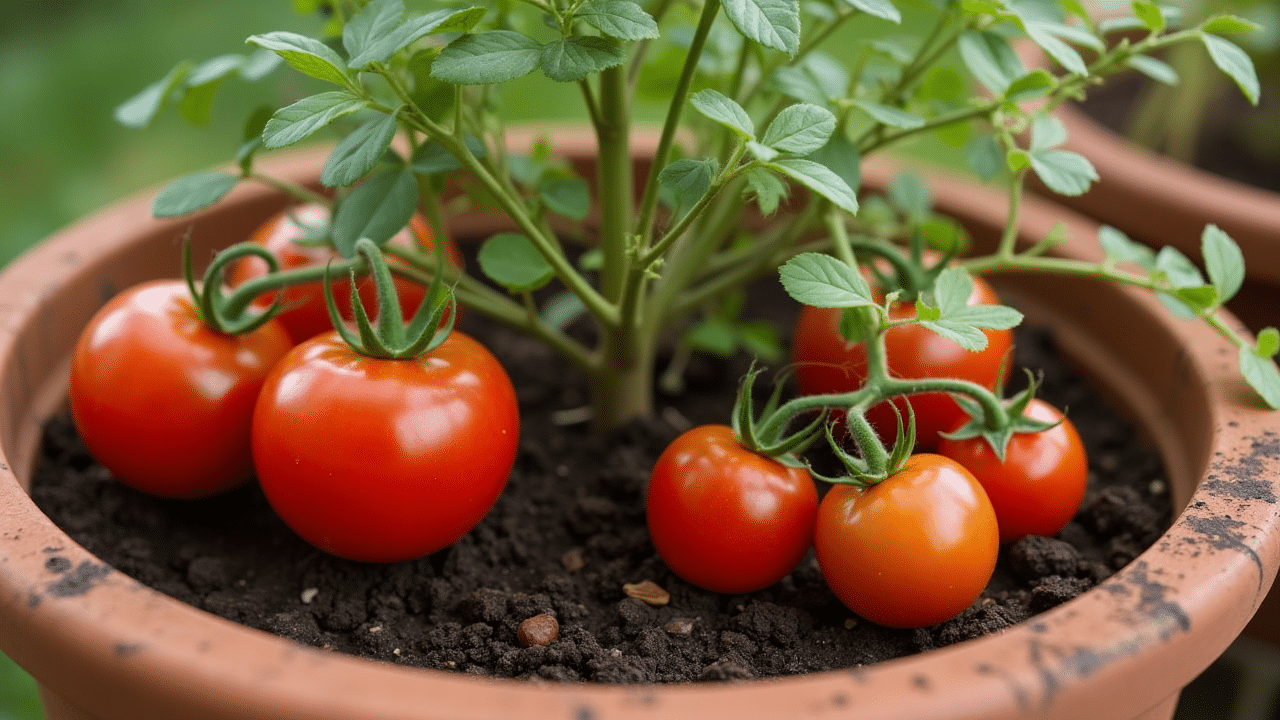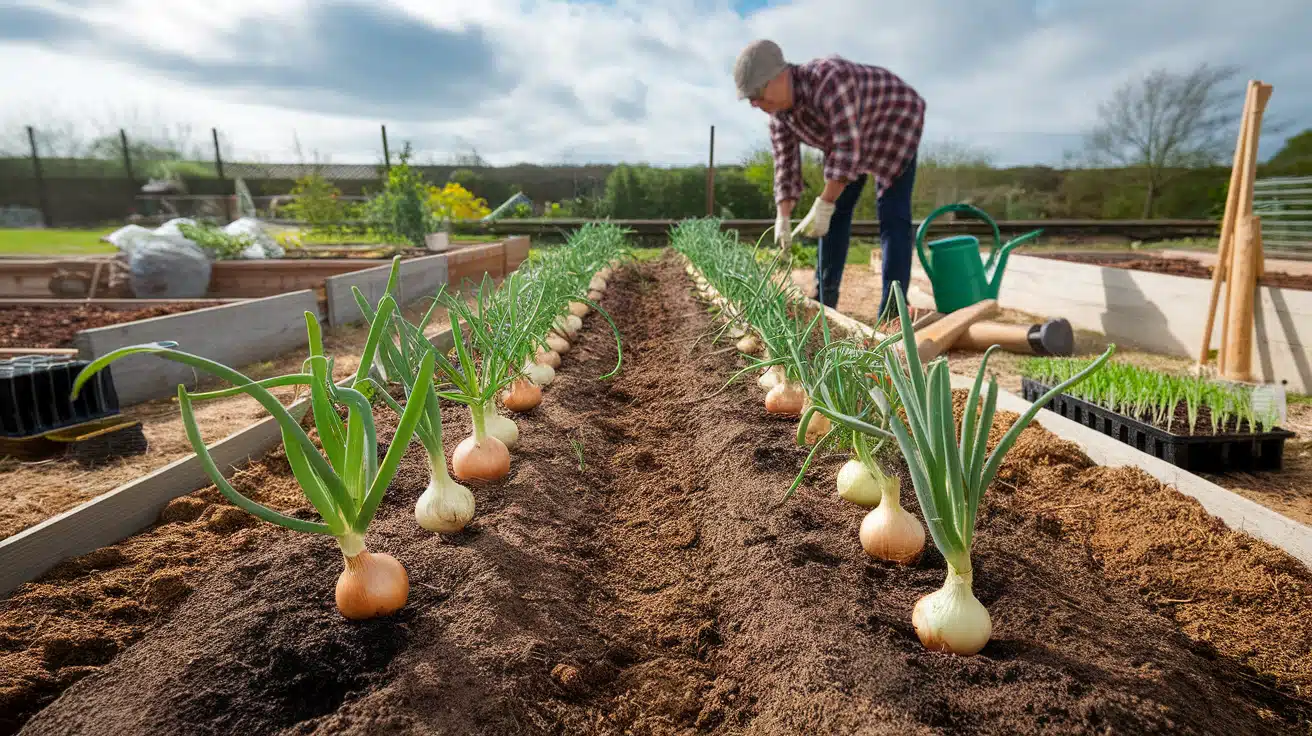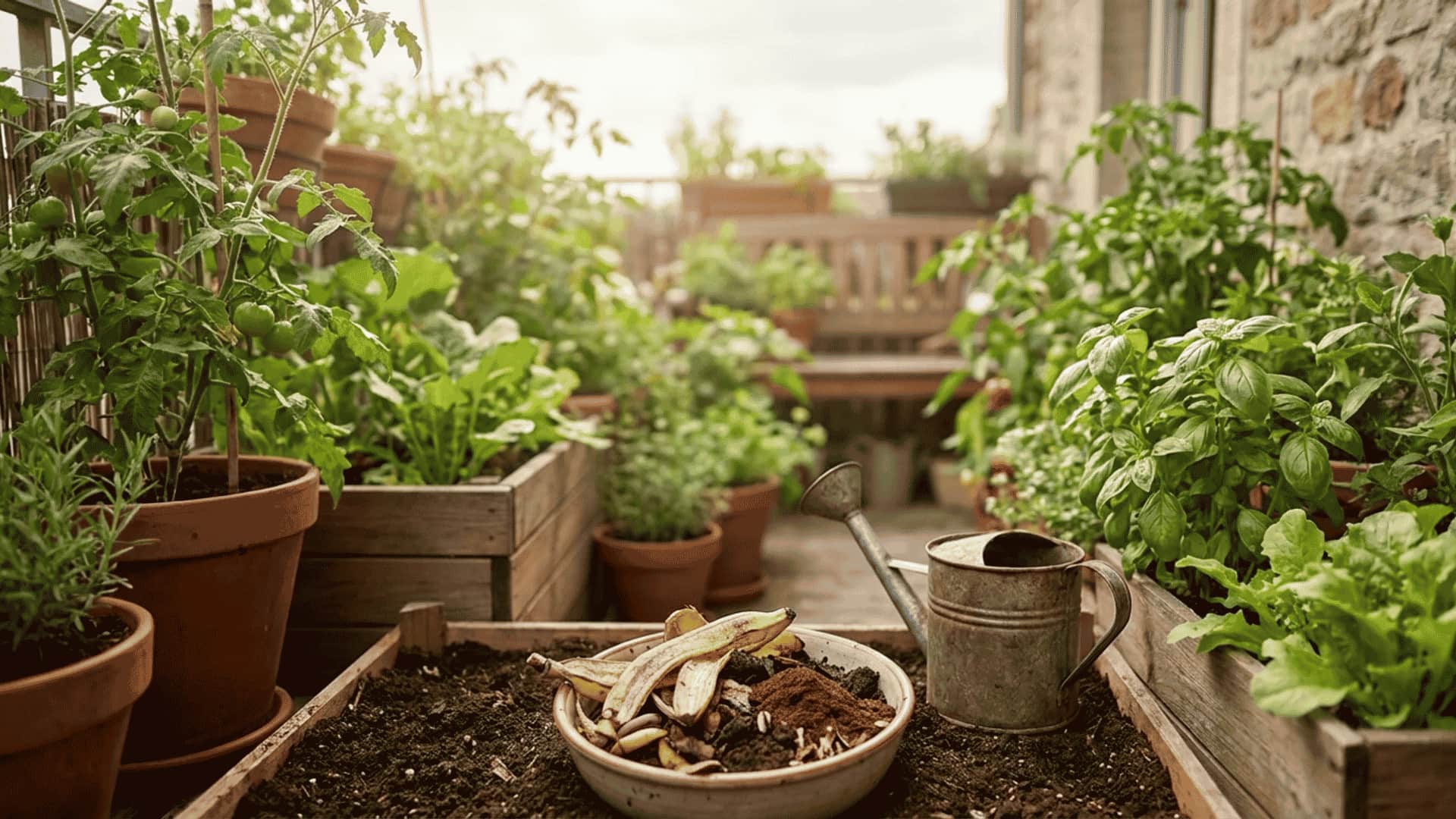

My tomatoes used to sulk every August no matter what I fed them, until I swapped the bagged stuff for what was already in my kitchen bin.
Natural fertilizer for plants works with banana peels, coffee grounds, eggshells, and plain old compost, and it feeds the soil instead of just spiking the plant for a week.
No fumes, no re-entry wait, no scary label to keep the dog away from.
This blog walks through what actually goes into it, how to mix it at home, and how to use it if you’re growing in a bed, a pot, or a jar of water.
How Natural Fertilizers Improve Soil Structure and Microbial Health Over Time
Natural fertilizers do more than feed plants. They feed the soil itself, and that shows up in a few specific ways over time.
- Loosens soil structure: Roots spread more easily as organic matter breaks up compacted ground.
- Feeds beneficial microbes: Microbial activity increases, which helps break down nutrients your plants can actually use.
- Supports earthworm activity: Earthworms stay active longer in soil that’s rich in organic matter, keeping it aerated.
- Improves water retention: Soil holds moisture better as organic matter accumulates.
- Drains more efficiently: Better structure means water moves through the soil instead of pooling on top.
Difference Between Chemical and Natural Fertilizers
Chemical fertilizers deliver nutrients fast but can damage soil health over time. They may burn roots if overapplied.
Natural fertilizers release nutrients slowly and safely. They build long-term soil fertility rather than just giving plants a quick boost.
| Factor | Chemical Fertilizer | Natural Fertilizer |
|---|---|---|
| Growth Speed | Fast | Slow and steady |
| Soil Safety | Can degrade soil | Builds soil health |
| Cost | Lower upfront | Varies by type |
| Sustainability | Low | High |
Benefits of Feeding Your Garden Organically
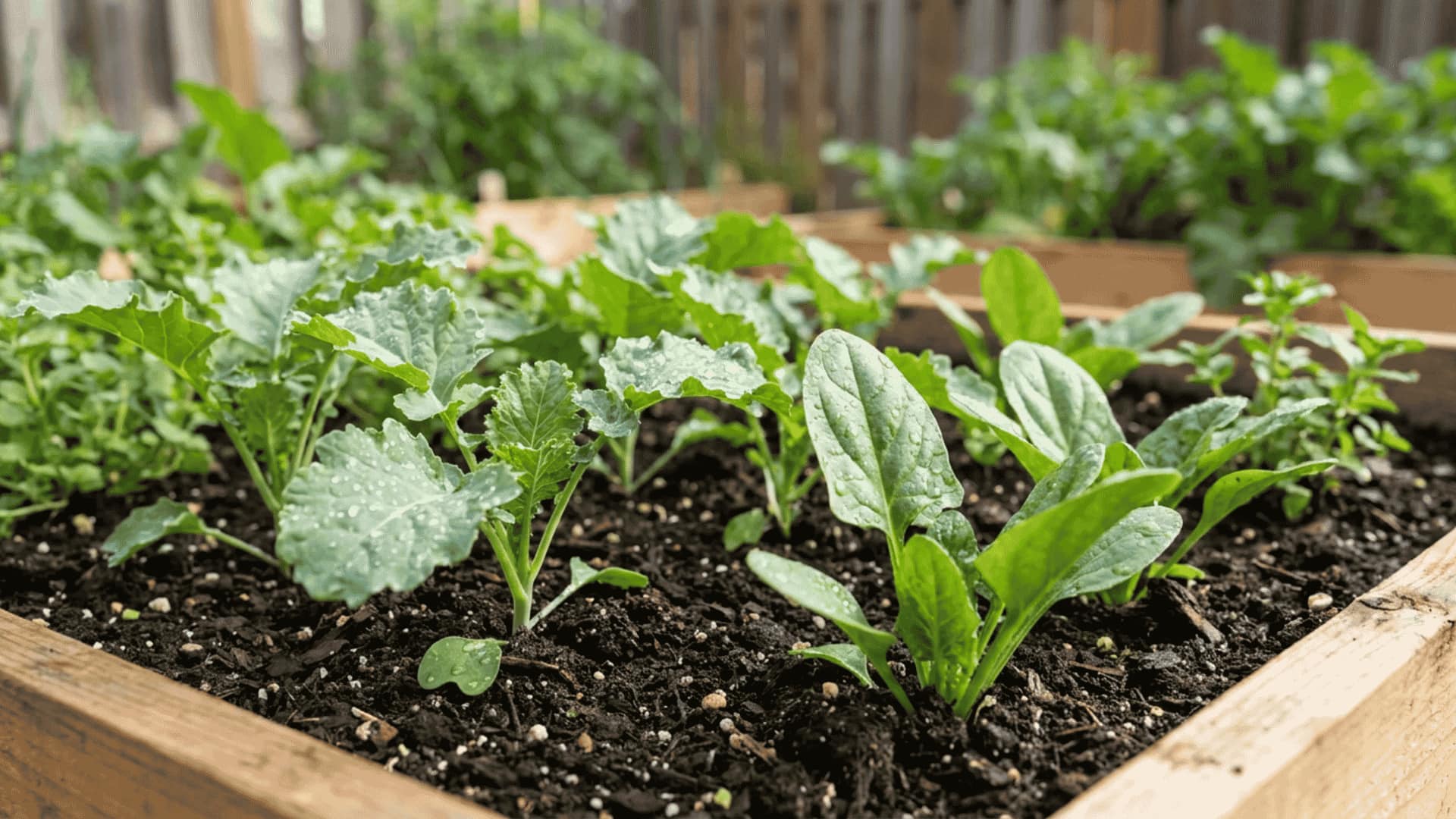
Feeding your garden this way does more than just help it grow. It protects your soil, keeps your family safe, and saves you money over time. Here are four real benefits that make
- Safer for indoor and outdoor plants: No synthetic chemicals means it’s safe around kids, pets, and edible plants, and you skip the 24- to 72-hour wait before letting anyone back in the garden.
- Improves soil fertility naturally: Every application feeds the microbes that break down nutrients for your plants, so the soil gets richer, looser, and more productive with each use.
- Cost-effective for home gardeners: Compost, kitchen scraps, and grass clippings are things most gardeners already have on hand, and a single bag of organic pellets can carry a whole season.
- Supports long-term growth over quick fixes: Nutrients release slowly over weeks instead of spiking and fading, so roots grow deeper, and plants stay healthy without constant reapplication.
Best Types of Natural Fertilizer for Plants
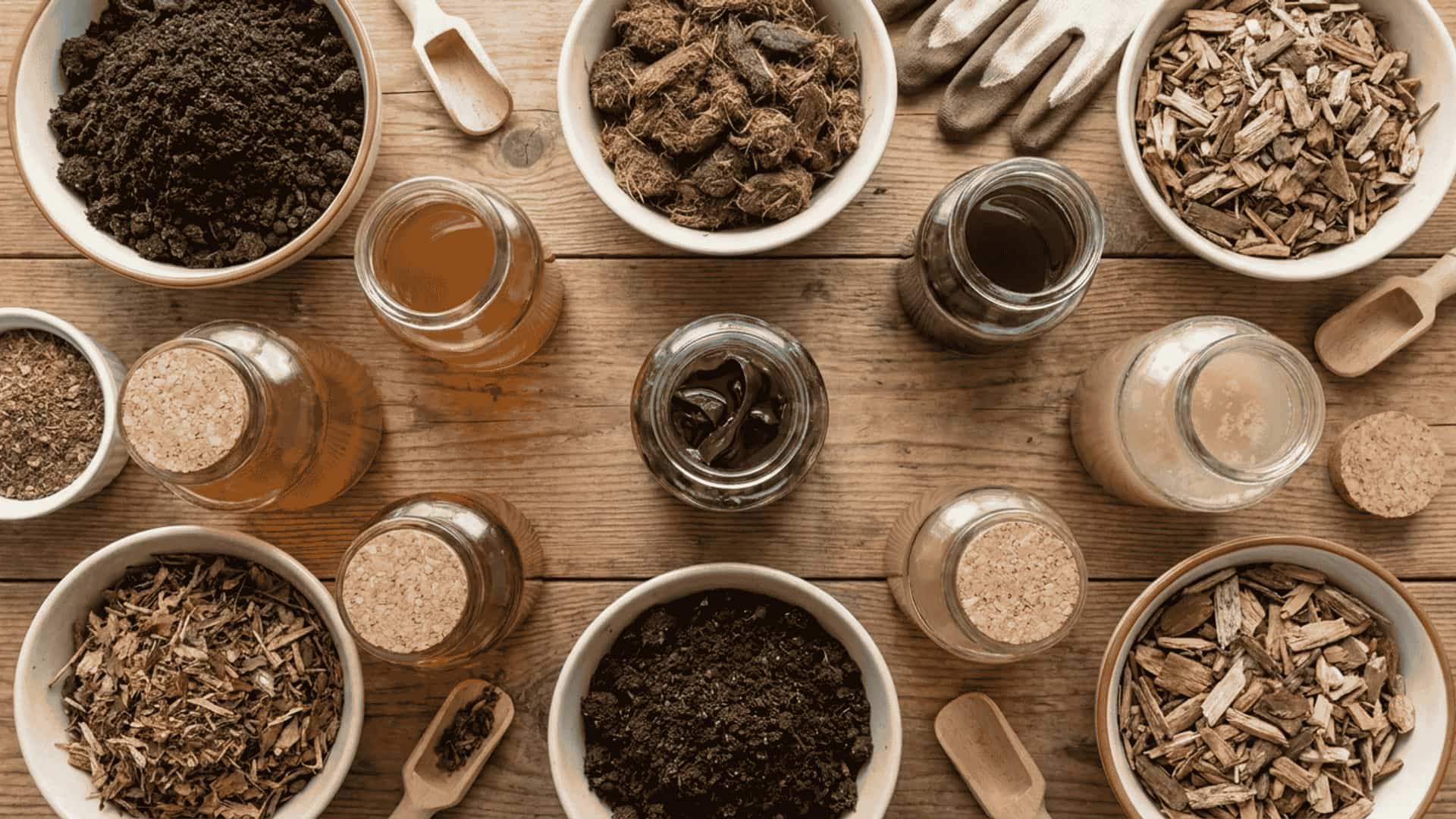
Not all natural fertilizers work the same way. Some feed your soil slowly. Others give plants a faster nutrient boost.
Here are four types you can use at home, plus a quick guide on which one suits beginners best.
1. Compost-Based Fertilizer
Compost is one of the most well-rounded natural fertilizers you can use. It improves soil texture, adds nutrients, and supports healthy microbial activity.
You can make it at home using kitchen scraps, dry leaves, and garden waste. Apply it as a top dressing or mix it into your soil before planting.
2. Manure and Organic Waste Fertilizer
Animal manure, especially chicken manure, is rich in nitrogen, phosphorus, and potassium. It rebuilds depleted soil and supports stronger root development.
Always use aged or composted manure to avoid burning plant roots. It works well as one part of a wider mix of organic fertilizer blends for vegetable gardens and flower beds.
3. Liquid Natural Fertilizers
Banana peel water adds a potash boost to the soil. Rice water contains starch and trace minerals that support root growth. Both are easy to make at home and free to use.
Just soak the peels or give your rice a quick rinse, and then use the leftover water to nourish your plants. It’s a simple and sustainable way to repurpose what you have!
4. Seaweed and Plant-Based Nutrients
Seaweed fertilizers are high in trace minerals and natural growth compounds. They help plants handle stress better and improve overall health.
You can find them in liquid or dried form at most garden stores. They work well for both indoor and outdoor plants.
Note: For beginners, compost is the simplest choice. Start with it first, then try other fertilizers as your gardening experience grows.
How to Make Your Own Fertilizer From Kitchen Scraps
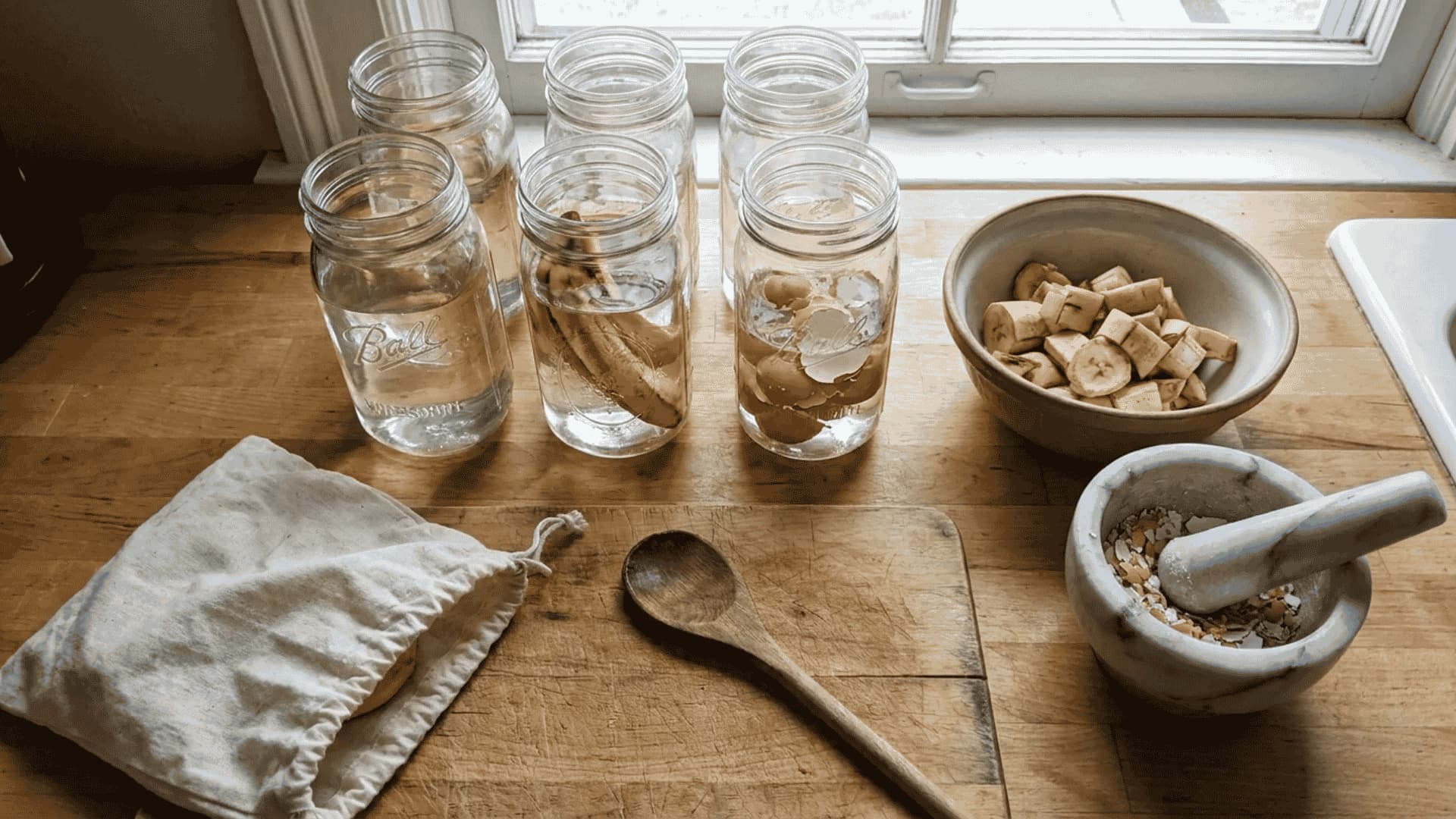
You do not need to buy expensive products to feed your plants well. Everything below comes straight from what’s already sitting in your kitchen, and none of it takes more than a few minutes to put together.
1. Kitchen Waste Compost Method
Start with a small bin or bucket with a lid. Add fruit peels, vegetable scraps, coffee grounds, and dry leaves in layers.
Keep the mixture moist but not soaked. Stir it every few days to accelerate decomposition. In four to eight weeks, you’ll have dark, crumbly compost ready for your garden.
2. Banana Peel Fertilizer Preparation
Chop two or three banana peels into small pieces. Place them in a jar and cover with water. Let the jar sit for 48 hours at room temperature.
Strain out the peels and use the liquid to water your plants. This adds potassium directly to the soil and supports flowering and fruiting.
3. Eggshell Fertilizer for Calcium Boost
Rinse your eggshells and let them dry completely. Crush them into a fine powder using a blender or mortar.
Sprinkle the powder around the base of your plants or mix it into the soil. Eggshells break down slowly and release calcium over time. This helps prevent issues like blossom end rot in tomatoes.
4. Rice Water Fertilizer for Fast Plant Growth
Wash one cup of uncooked rice in two cups of water. Do not cook it. Use the cloudy water to feed your plants directly.
Rice water contains starch, vitamins, and minerals that support healthy root activity. Use it once a week for best results.
5. Vegetable Peels and Fruit Scraps
Do not throw away your vegetable peels and fruit scraps. Onion skins, carrot tops, and potato peels are full of potassium and phosphorus.
Bury them directly in your garden soil or add them to your compost bin. They break down quickly and release nutrients right where your plants need them.
6. Coffee Grounds for Nitrogen-Rich Soil
Used coffee grounds add nitrogen to the soil. Sprinkle them around acid-loving plants like roses, tomatoes, and blueberries.
Mix them lightly into the top layer of soil. Do not apply too thick a layer as it can block water from reaching the roots.
7. Use Tea Leaves for Micronutrients
Spent tea leaves contain nitrogen, potassium, and tannins. Empty used tea bags directly onto your soil or compost pile.
They break down fast and feed your plants with trace minerals. Green and black tea both work well.
8. Water from Boiled Vegetables
The water left after boiling vegetables holds minerals that leach out during cooking. Let it cool completely before using it.
Pour it around the base of your plants instead of throwing it away. It gives your soil a light but useful mineral boost with zero extra cost.
Storage and Safety Tips for Homemade Fertilizers
- Store liquid fertilizers in sealed glass jars away from direct sunlight.
- Use them within one week to prevent bacterial growth.
- Label each container clearly with the date and contents. I keep an old pickle jar by the sink with the date written right on the lid in marker.
- Keep all fertilizers out of reach of children and pets.
- Do not store compost tea or peel water in warm areas, as they can ferment quickly.
Feeding Plants Growing in Water (Hydroponic and Indoor Plants)
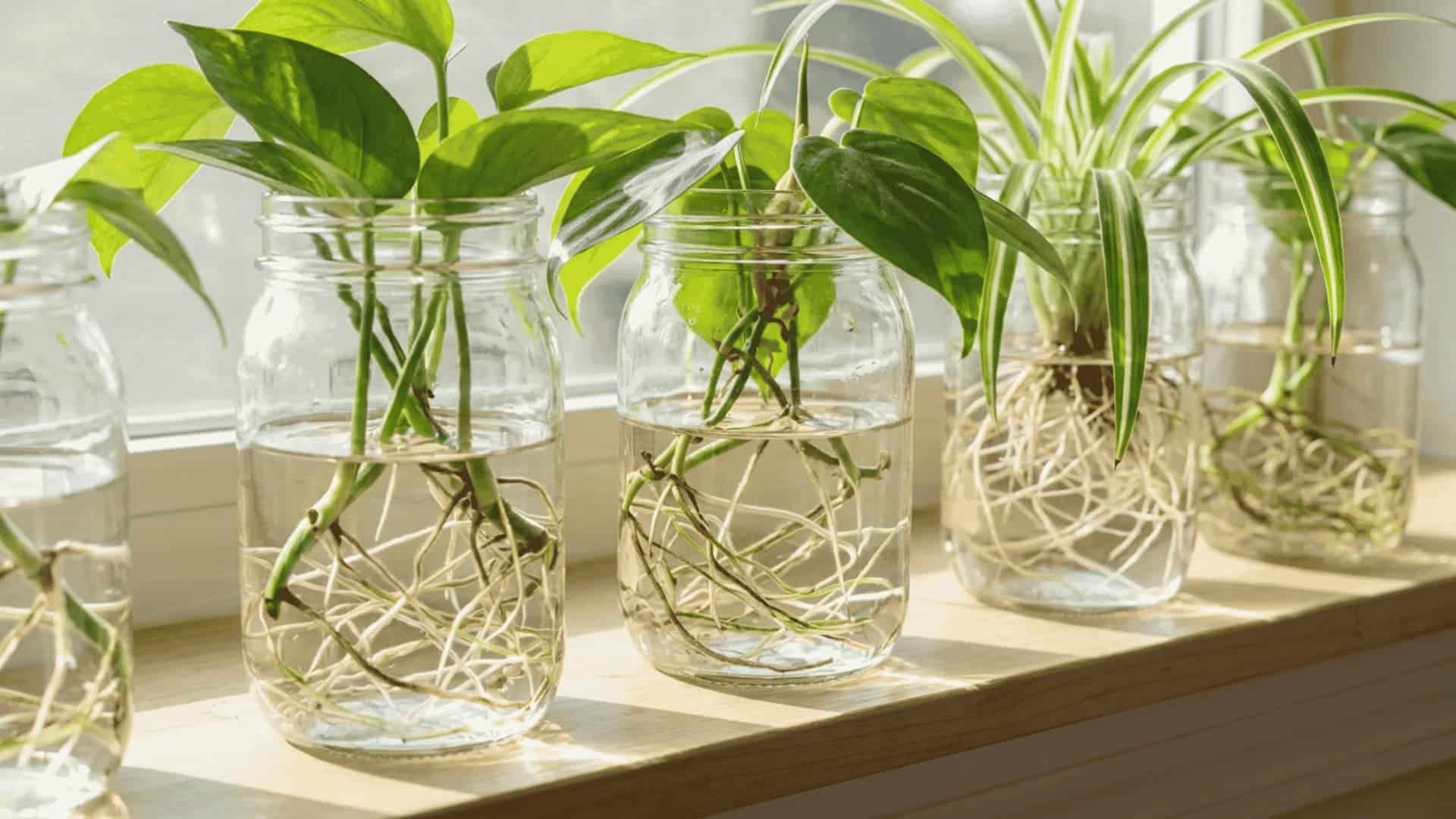
Growing plants in water works differently than growing them in soil; there’s nothing to hold or supply nutrients naturally, so everything has to come from what you add to the water itself.
- Nutrient needs of water-grown plants: Every mineral must come from the water: nitrogen for leaves, phosphorus for roots, potassium for strength. Skip these and plants turn yellow and stop growing.
- Safe liquid fertilizers for hydro plants: Liquid seaweed dissolves cleanly without clouding the water; diluted compost tea works too. Always use a weak solution, since too much fertilizer damages roots faster in water than in soil.
- How often to feed plants in water: Feed once every one to two weeks. If the water turns green or murky, change it and cut back the dose; less is more here.
How Often to Use Natural Fertilizer for Plants for Best Results
Feeding too little gives poor results; feeding too much causes real damage. Here’s the timing that keeps it right.
| Plant / Season | Feeding Frequency |
|---|---|
| Outdoor garden plants (general) | Every 2–4 weeks |
| Heavy feeders (tomatoes, leafy greens) | More frequent, weekly for diluted liquid feeds |
| Compost (slow-release) | Every 4–6 weeks |
| Spring/summer | Most active feeding window |
| Fall | Reduce frequency as growth slows |
| Winter | Once a month or stop entirely |
| Indoor plants | Every 2–4 weeks (spring/summer), monthly or less (fall/winter) |
Over-Fertilization Warning Signs
Watch for yellowing leaves, brown or burnt leaf edges, stunted growth, and a white crust forming on the soil surface.
- Leaf tips turning brown or crispy
- White, crusty buildup on the soil surface
- Wilting despite regular watering
- Yellowing of lower leaves
Note: If you spot any of these, flush the soil with plain water and skip the next feeding cycle.
Natural Fertilizer Feeding Tips for Better Plant Growth
Small changes in how you feed your plants can improve nutrient uptake and reduce the risk of root damage. Use the tips below to keep feeding simple and consistent.
| Feeding Issue | How to Get It Right |
|---|---|
| Using too much fertilizer | Start with a smaller amount and increase only if needed. |
| Using the same fertilizer for every plant | Match nutrients to the plant’s needs. Leafy plants need more nitrogen, while flowering plants benefit from more phosphorus and potassium. |
| Relying on only one fertilizer type | Rotate compost, manure, and liquid feeds to provide a broader range of nutrients. |
| Expecting compost to work quickly | Pair compost with a liquid feed such as seaweed fertilizer for faster support. |
| Fertilizing dry or unsuitable soil | Check soil moisture and keep pH around 6.0 to 7.0 for better nutrient uptake. |
| Expecting results within days | Give natural fertilizers several weeks to show results. |
| Continuing to feed after over-fertilizing | Flush the soil with plain water, pause feeding for 2 to 4 weeks, then restart with a lighter dose. |
Wrapping It Up
None of this needs a shopping trip. A banana peel, a handful of used coffee grounds, and a bin of kitchen scraps will get you further than most bagged products ever will.
I switched over a few years back and haven’t bought a synthetic bag since, mostly because the soil kept getting better instead of worse.
If your plants have been stalling, natural fertilizer for plants is the cheapest fix you haven’t tried yet.
Start with one method this week; banana peel water is the easiest, and see what your garden does with it.
Frequently Asked Questions
Does homemade fertilizer attract fruit flies or pests?
Only if it’s stored or applied wrong. Keep liquid fertilizers sealed and bury solid scraps like peels instead of leaving them exposed on top of the soil.
Can I use tap water to make banana peel or rice water fertilizer?
Yes, but let it sit out for 24 hours first. This gives the chlorine time to evaporate so it doesn’t harm the microbes in your soil.
Is Epsom salt a natural fertilizer for plants?
Yes. Epsom salt supplies magnesium and sulfur, which support chlorophyll production. Dissolve one tablespoon per gallon of water and apply monthly.