

You signed the papers, got the keys, and moved in. But unless your deed is on file with the county, the public record still shows the previous owner as the legal owner of your home.
That is a problem most people only discover when they try to sell, refinance, or take out a home equity loan.
And without a recorded deed, you have no solid proof of property ownership that holds up in front of banks, title companies, or courts.
Signing a deed and recording it are two separate steps. Your title or escrow agent normally handles the filing after closing, but agents make mistakes, paperwork gets lost, and county offices occasionally miss submissions.
Checking whether your deed was actually recorded takes less than an hour in most cases. This guide covers the fastest ways to do it, what to look for when you find the record, and exactly what to do if nothing turns up.
What Recorded Means in Property Records

Recording a deed means filing a copy with the government office that handles land records. This office goes by different names depending on your location.
It could be the County Recorder, County Clerk, Register of Deeds, or Recorder of Deeds.
Once recorded, the deed gets a unique reference number. This is often a book and page number or a document number. The office stamps the recording date on the deed and files it into the public record system.
There are three types of deed status worth knowing: an executed deed is signed and delivered but not yet public; a recorded deed is filed and carries the strongest legal protection; an unrecorded deed is technically valid between buyer and seller, but offers little defense against third-party claims.
Information You Need Before You Start
Before you search, gather these details:
- The Exact Property Address: Use the full legal address, not a casual description.
- The Owner’s Legal Name: The name on the deed. It may differ from a nickname or married name.
- The Approximate Transfer Date: This helps narrow the search.
- The Parcel or Survey Number: This unique ID is assigned by the local tax assessor. It is the most accurate way to find records. You can find the parcel number on your property tax bill or the local assessor’s website.
Method 1: Search Online Property Records
Many county recording offices now offer free online databases. These let you search deed records from your computer or phone.
Go to your county recorder’s or clerk’s website. Look for a link that says “Public Records Search,” “Land Records,” or “Document Search.”
Most databases let you search by:
- Owner Name: Enter the last name first. Try both the buyer and seller names.
- Property Address: Enter the street number and name. Avoid abbreviations.
- Document Number: If you have a recording number, enter it directly.
Results typically include the recording date, the type of deed, the names of the grantor and grantee, and a reference number. Some systems also show the book and page number.
If the deed appears in the database, it has been recorded. If nothing shows up, the deed may not be on file.
Method 2: Visit the Local Recording Office

Ask the counter staff to help you search for a deed. Give them the property address, owner name, and any reference numbers you have.
Staff can search manual indexes, microfilm records, and internal databases not available online. They work with these records daily and can spot issues faster than most people.
Bring a photo ID and any documents you already have, such as closing papers or a property tax bill. These help narrow the search.
Method 3: Request a Certified Copy of the Deed
Viewing a record means you can see the information on a screen. A certified copy is different.
It is an official reproduction that carries the recording office’s seal, a clerk’s signature, and a statement confirming it is a true copy.
A certified copy holds the same legal weight as the original deed.
You may need a certified copy for court proceedings, estate planning, title examinations, or mortgage applications.
You can request one in three ways:
- In Person: Visit the recorder’s office, fill out a request form, and pay the fee. You can usually pick up the copy the same day.
- By Mail: Send a written request with document details and a check or money order. Processing takes one to two weeks.
- Online: Some counties let you order through their website and mail the copy to you.
Fees vary by county. Expect to pay between $1 and $5 per page, plus a certification fee of $2 to $10 per document.
How to Read Recording Details on a Deed
A recorded deed carries three specific markers that confirm it was accepted and filed. These are different from the deed’s general contents. You are looking for evidence that the county processed it.
The recording date appears as a stamp or printed notation showing when the county office accepted the filing.
The book and page number (or the single instrument number in newer systems) indicate where the deed is in the public record.
The official stamp or seal from the recording authority confirms it was received and processed.
If your deed has all three markers and matches the county database, it is authentic and properly recorded.
Signs a Deed May Not Be Properly Recorded
Watch for these warning signs:
- The deed has no recording stamp or reference number.
- You search the county database and find no matching record.
- You only have a paper copy, but the county has no record of it.
- The legal description does not match the county’s records.
- The owner’s name on the deed differs from the name in the public record.
These issues are often easier to spot if you’re familiar with how property deeds are structured and what details they include.
Any of these issues means you should contact the recording office for help.
Common Issues People Face During Verification
Name spelling differences are the most frequent problem. A search for “John Smith” will not return results filed under “Jon Smith” or “John A. Smith.”
Older records create another challenge. Many counties have not digitized documents from before the 1970s or 1980s. You may need to search microfilm or paper records in person.
Multiple deeds can exist for the same property. Each time the property changes hands, a new deed is created. All of them stay in the record.
Government systems also have delays. A deed filed last week may not appear online for several days or weeks.
What to Do If the Deed Is Not Found
Do not panic. Start with these steps:
Step 1: Check Alternate Name Variations
Try different spellings of the owner’s name. Include middle initials, maiden names, or names of previous owners to widen your search.
Step 2: Search Using the Parcel Number
Look up the property using the parcel or survey number instead of the address. This identifier is tied directly to the land, avoiding confusion.
Step 3: Contact the Recording Office
Call or visit the local recording office and request a manual lookup. Staff can access records that may not appear in online databases.
Step 4: Consult a Professional if Needed
If the deed still cannot be found, contact your title insurance company or a real estate attorney. They can help file the deed or take legal steps to secure your ownership.
Also, inform your mortgage lender, as they have a vested interest in maintaining a clear title.
Why Deed Verification Matters for Resale
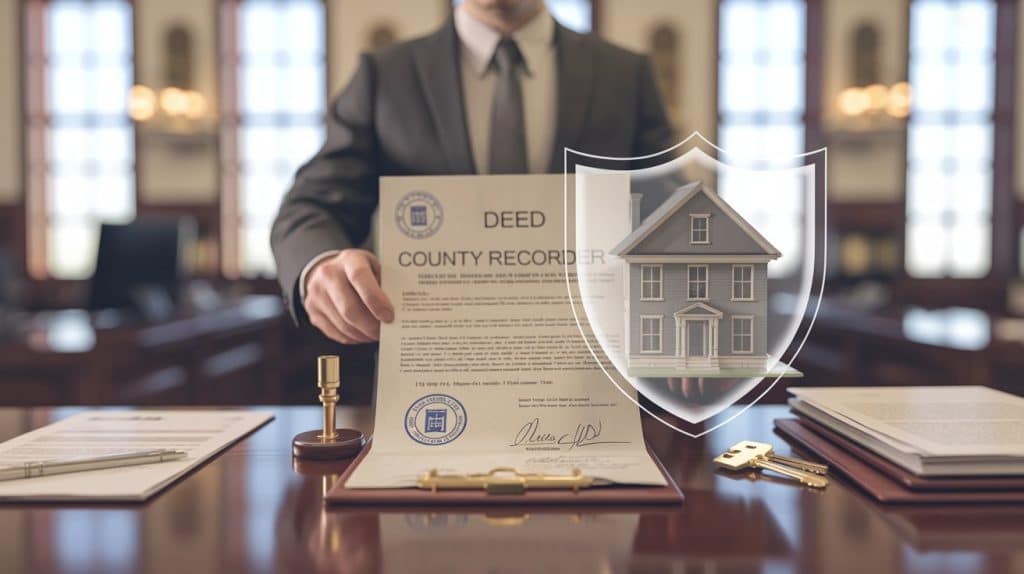
Verifying your deed matters beyond just knowing you own the place. It directly affects your ability to get title insurance and sell the property down the line.
Title companies rely on recorded deeds to confirm a clean chain of ownership before approving any transaction.
If a deed is missing or incorrectly recorded, it can delay or even block a home sale or refinance.
In some cases, unresolved recording issues may require legal correction before a buyer or lender proceeds.
Having a properly recorded deed ensures your ownership history is clear, traceable, and acceptable to banks, insurers, and future buyers.
It also reduces the risk of disputes during title searches, which are a standard part of every real estate transaction.
How to Keep Your Deed Record Verified in the Future
Do not check your deed once and forget about it.
Review your property records once a year, or after any major event. This includes refinancing, adding someone to the title, or settling an estate.
Many counties now offer property alert services. These send you a notification if any document is filed against your property. It is a free tool in many areas and helps catch fraud early.
Store your recording reference numbers in a safe place. Keep the document number, book, and page number, and the county name on file.
Save digital copies of your deed and recording confirmation. Use a secure cloud folder or encrypted drive. If you ever need to prove ownership quickly, the information will be ready.
Conclusion
Checking if your deed is recorded is one of the simplest ways to protect your property. It confirms that public records reflect your legal ownership. It guards against fraud, disputes, and costly mistakes.
You can search online, visit the local office, or request a certified copy. Any of these will confirm whether your deed is properly on file.
Your ownership holds up only when the public record backs it. A quick check today can save you from expensive headaches later.
Have you checked your deed record recently?
Frequently Asked Questions
How Can I Search for A Deed?
Visit your local county recorder’s or land registry website, search by owner name, address, or parcel number, and review deed documents online or request copies in person.
Can I Search TN Property Records for Free?
Yes, many Tennessee counties offer free online property record searches through assessor or register websites, though copies of official documents may require a small fee.
What Is The Best Way to Find out Who Owns a House?
Check the local property tax assessor or land records online using the address, or visit the county office to access ownership details and public records.