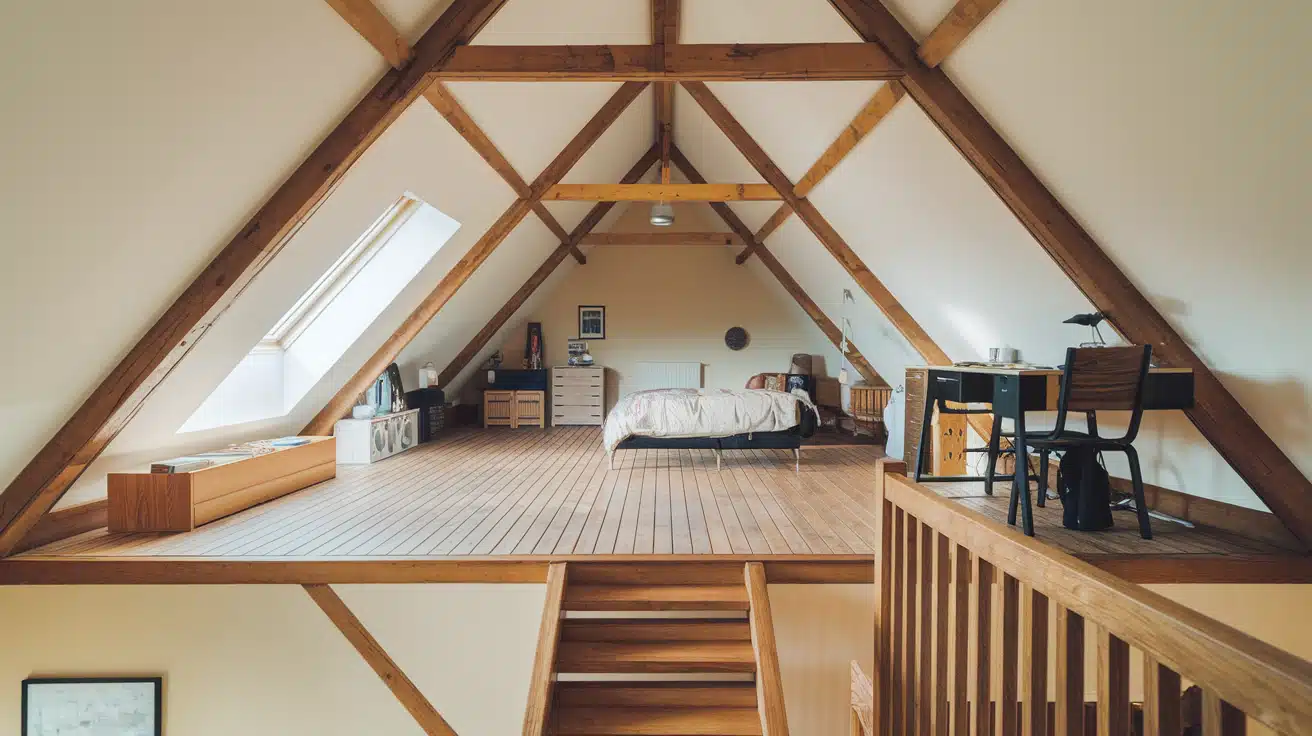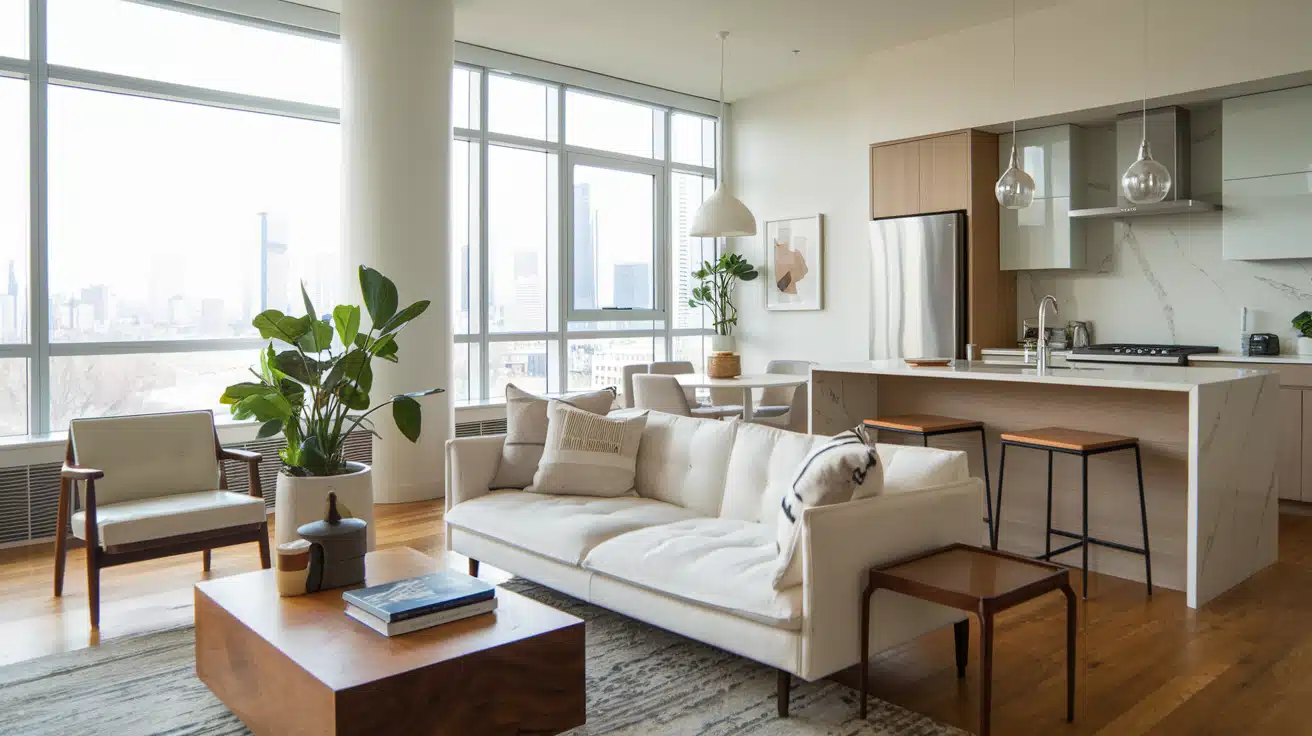

Most people building an orangery want two things. A better living space. And confidence that the money makes sense when they eventually sell.
The problem is that figures quoted online range from 5% to 20%, with very little explanation of what drives that gap.
Knowing which end of the range your project lands on makes a real difference to how you plan the build, what materials you choose, and how much you spend.
We’ll l show you the real value data for orangeries in 2026, what makes one project return 80% of its cost and another return nothing, and how to plan your build to land at the right end of the range.
Do Orangeries Increase a Property’s Value?
Yes. A well-built orangery adds value to most properties. The return depends heavily on build quality, location, and how well the structure sits with the existing home.
Research consistently shows that an orangery enhances property value by between 5% and 10%, with a very high-quality example capable of adding as much as 15%.
Orangeries typically add slightly more value than conservatories, with a range of 6% to 8% compared to 5% to 7% for conservatories, due to their more substantial construction and year-round usability.
That distinction matters. An orangery is built more like a permanent room than a seasonal addition. Buyers and surveyors treat it accordingly.
What ROI Can You Realistically Expect?

ROI on an orangery is not fixed. It varies by quality tier. Budget conservatories may return only 50% of their cost.
Quality conservatories typically return 70% to 90%. Premium orangeries in desirable areas can return 80% to 100% of their build cost or more in added property value.
In practical terms, a $44,000 premium aluminum orangery in a strong local market could add $38,000 to $44,000 to the sale price. A cheap uPVC build where the design clashes badly could add nothing at all.
A well-executed orangery is widely reported to add around 7% to 15% to a home’s value, with some sources citing up to 20% in the right location and at higher price points.
The gap between 7% and 20% is not luck. It comes down to four factors covered below.
What Drives the Value Return?
While adding an orangery generally boosts your home’s appeal, the specific ROI depends on how well the project balances aesthetics with functionality.
1. Build quality:
This is the single biggest factor. A well-designed structure, built with quality materials, thermally efficient for year-round use, and seamlessly integrated with your existing home architecture delivers strong returns.
A low-cost add-on that lacks proper insulation, uses cheap materials, or clashes with your home’s design becomes a liability rather than an asset.
Buyers at every price point notice quality immediately. Poor workmanship, draughty frames, or visible wear make buyers cautious. A well-finished orangery does the opposite.
2. Location:
In prime locations where property prices are higher, buyers expect any glass extension to be high specification. A budget conservatory on an expensive property is viewed as a negative.
Premium orangeries, by contrast, are actively sought after, and quality glass extensions in these markets often return 90% to 110% of their cost.
In mid-market areas, the return is lower but still positive when the build is done well.
3. Year-round usability:
A room that can only be used in summer does not count as usable living space in a buyer’s mind.
Buyers are looking for usable, year-round space, which means energy-efficient glazing with low U-values, insulated roofs, and strong thermal performance throughout.
An aging structure with poor insulation can drag down appeal and even your property’s value.
4. Design integration:
An orangery that looks like it belongs to the house adds value. One that looks bolted on does not. Materials should match or complement the existing property.
The roof lantern should be proportionate to the footprint. Frame colour should tie in with existing windows and brickwork.
Spending time on small orangery extension ideas before settling on a design helps find a style that genuinely suits the property rather than one that reads as an afterthought.
How Orangeries Compare to Other Extensions in Value?
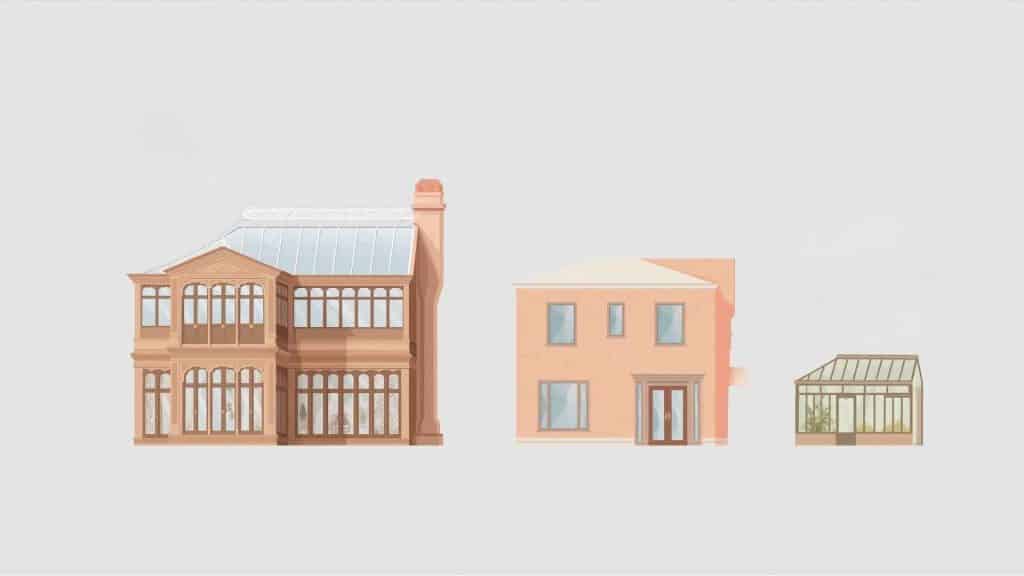
While an orangery offers a unique aesthetic, apprehending how its financial return stacks up against traditional brick extensions or standard conservatories is essential for a balanced investment.
| Extension Type | Typical Value Added |
|---|---|
| Budget conservatory | 0% to 5% |
| Quality conservatory | 5% to 7% |
| Orangery | 6% to 15% |
| Traditional solid extension | 10% to 20% |
Traditional single-story extensions often add roughly 10% to 20% to a property’s value because they are fully integrated into the existing layout with matching heating, insulation, and finishes.
Orangeries sit below this ceiling but outperform conservatories, particularly when the design and build quality are strong.
For anyone comparing options, the orangery often hits a practical sweet spot. It costs less than a full brick extension but delivers a stronger return and far more buyer appeal than a basic conservatory.
Skimming at the orangery cost by size and material makes this comparison concrete before any decisions are made.
When an Orangery Does Not Add Value?
Not every orangery improves a sale price. Several situations work against a positive return.
- A cheap structure with visible quality problems
- A design that clashes with the property’s architecture
- A build that runs too hot in summer and too cold in winter
- A structure without a proper building regulations sign-off
The last point carries more weight than many people expect. Buyers’ solicitors routinely ask for building regulations documentation. A structure that lacks it can stall a sale or force a price reduction.
Knowing the compliance rules that govern these structures, including how the 10-year rule for conservatories affects retrospective approval, is worth doing before any groundwork begins.
Conclusion
Ultimately, an orangery is more than just a home improvement project; it is a strategic bridge between indoor luxury and outdoor beauty.
When you prioritize high-quality materials and architectural harmony, you aren’t just adding square footage; you’re significantly increasing your property’s marketability and daily enjoyment.
While the upfront cost is higher than a standard conservatory, the superior thermal efficiency and timeless design ensure your investment holds its value for decades to come.
Are you ready to transform your home with a space that pays for itself? Start by exploring our cost guide by size and material to find a design that fits your budget and vision. Let’s build something that matters
Frequently Asked Questions
Does an Orangery Require Planning Permission?
Most orangeries fall under “permitted development” if they meet specific size and height limits. However, if your home is listed or in a protected area, you must seek official approval.
Is an Orangery Warmer than A Conservatory?
Yes. Due to more substantial brick pillars and superior roof insulation, orangeries retain heat much better. This makes them comfortable, usable living spaces even during the coldest winter months.
How Much Value Does an Orangery Add?
A high-quality, well-integrated orangery typically increases property value by 7% to 15%. In premium markets, the return can be even higher, often covering most of the initial build cost.
How Long Does It Take to Build?
A standard installation usually takes 6 to 10 weeks. This timeline includes groundworks, bricklaying, and fitting the roof lantern, though complex bespoke designs or weather delays can extend this.
What Is the Main Difference from An Extension?
Orangeries use more glass and a central roof lantern to prioritize natural light. While an extension feels like a standard room, an orangery provides a unique, bright, and airy aesthetic.